
Business
FG Earmarks N450bn Power Intervention Fund

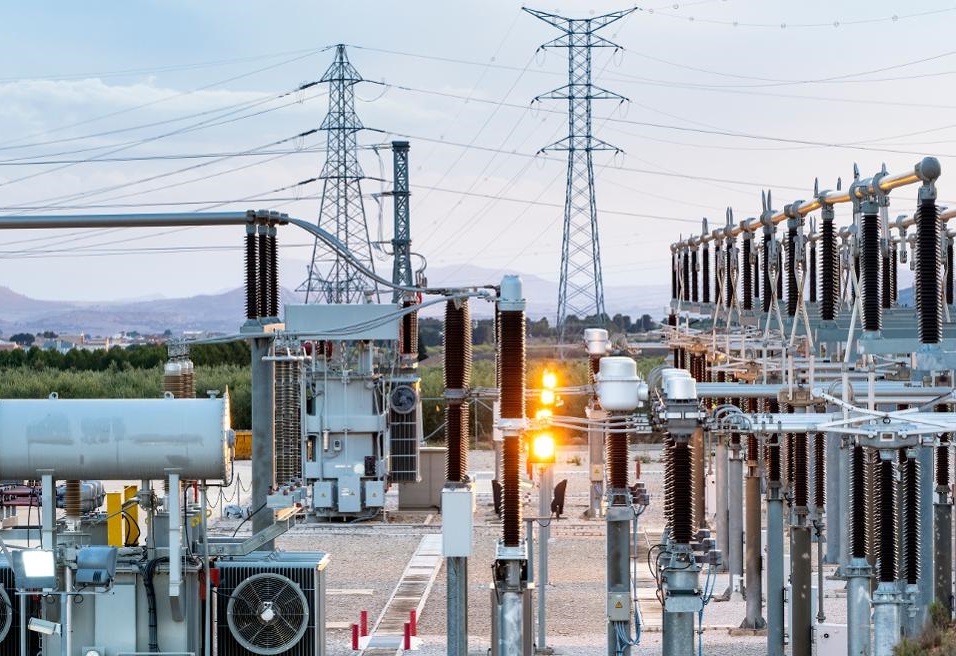
The Federal Government is set to spend N450billion on power interventions in 2024.
This is according to the budget analysis of the Nigerian Bulk Electricity Trading Company. Under the firm’s capital expenditure, N450billion was budgeted for “FGN Power Intervention Fund”.
The Government-Owned Enterprise’s expenditure intends to spend a total of N454.81billion in 2024.
N2.44billion will be spent on personnel costs, N2.36billion will be spent on other recurrent costs, N580million on general travel and transport, N15million on utilities, N110million on materials and supplies, N210.75million on general maintenance services, N34million on other services, N60m on fuel and lubricants, N40million on financial charges, N576million on miscellaneous, and N736.51million on supplementary overhead.
Most of the firm’s spending would be on power intervention funds in the New Year. As of May 2022, the Federal Government’s intervention fund to electricity distribution companies rose to N2.9trillion.
According to The Tide’s source’s report, the N2.9trillion is the total funding extended to the sector since privatisation in 2013. The Federal Government has consistently intervened in the power sector.
In 2017, the Federal Executive Council approved N701billion as Power Assurance Guarantee for the Nigeria Bulk Electricity Trading Company for two years to pay the generation firms.
In 2019, the government announced that the power sector was going to get another intervention of N600billion. The same year, the Market Operator, Transmission Company of Nigeria, Edmond Eje, stated, “At this stage I’ll tell you that it is for the market.
“If the money is injected into the Gencos, it is for the market; if it is injected into the Discos, it is for the market. It is generally for the shortfall in the payment of monthly invoices”.
Despite these intervention funds, the power sector has been besieged with many grid collapses. As at October 2023, the House of Representatives stated that it was set to probe all financial interventions by the Federal Government in the power sector in the past 10 years.
It said the investigation would cover over $1.25billion injected into the sector by the government since the 2013privitisation till date.
A House of Rep member, Ademorin Kuye (APC, Lagos), said while moving the motion, “The Nigeria Electricity Regulatory Commission performance as an industry regulator is questioned for its ability to move the industry forward and eliminate illiquidity.
“The Nigeria Electricity Supply Industry faces threat due to the poor performance and transparency of DISCOs and the NERC’s inability to sanction erring stakeholders”.



-

 News4 days ago
Amend Constitution To Accommodate State Police, Tinubu Tells Senators
-
 Politics4 days ago
Senate Urges Tinubu To Sack CAC Boss
-
Business4 days ago
Crisis Response: EU-project Delivers New Vet. Clinic To Katsina Govt.
-
Business4 days ago
President Tinubu Approves Extension Ban On Raw Shea Nut Export
-

 News4 days ago
Disu Takes Over As New IGP …Declares Total War On Corruption, Impunity
-
Business4 days ago
Fidelity Bank To Empower Women With Sustainable Entrepreneurship Skills, HAP2.0
-
Business4 days ago
President Tinubu Extends Raw Shea Nuts Export Ban To 2027
-
Sports4 days ago
NDG: Rivers Coach Appeal To NDDC In Talent Discovery