
Business
PTML Generates N51.6bn From Vehicle Imports In Lagos

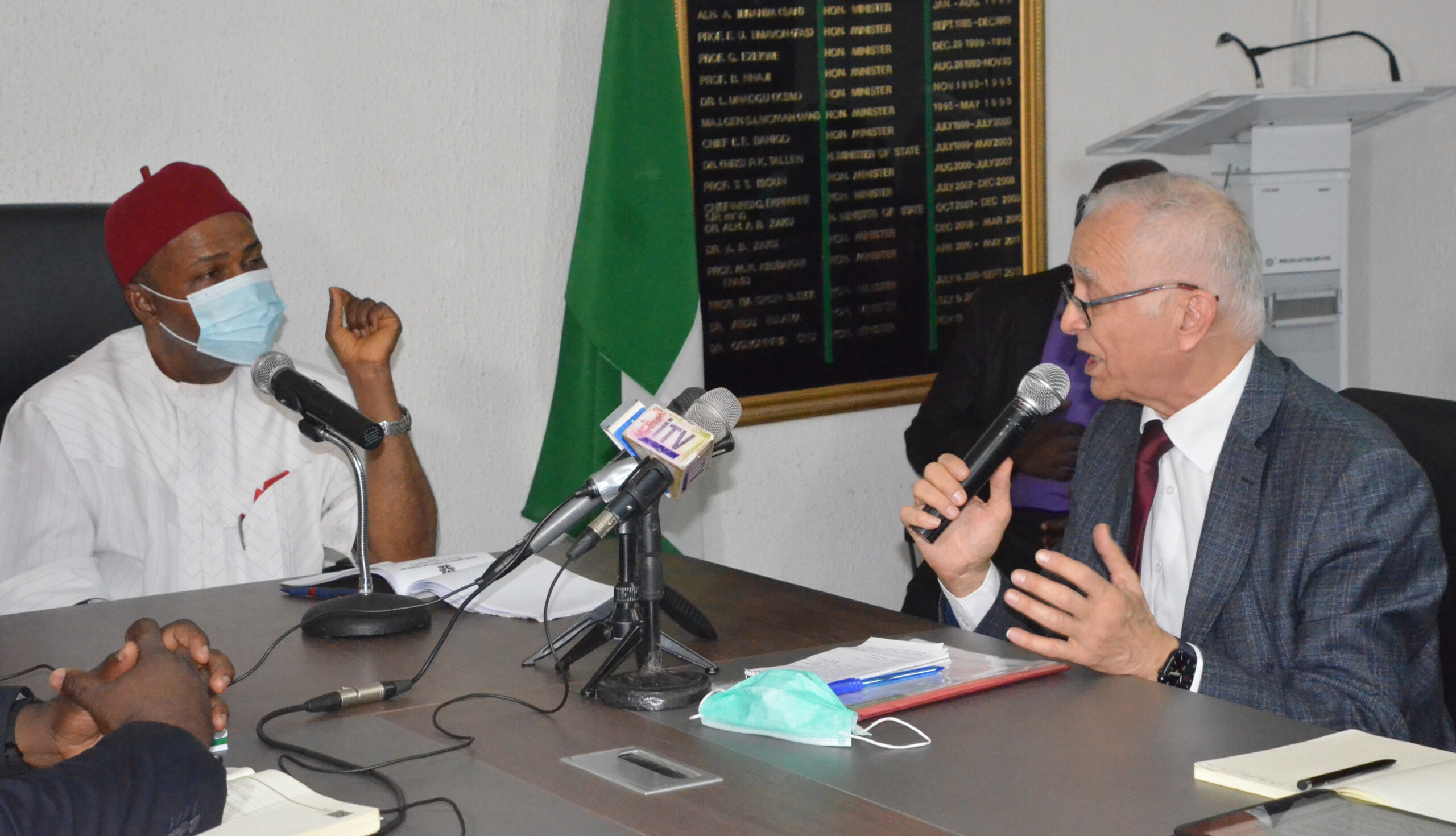
The Ports Terminal Multiservices Limited (PTML) Command of the Nigeria Customs Service (NCS) says it generated a total of N51.63billion from imported used and new vehicles between January to March 2022.
According to a statement by the command’s Public Relations Officer, Muhammad Yakubu, the sum collected in the first quarter 2022 is 10.2 percent higher than what was collected last year.
He said N46.85billion was realised same period of 2021, showing an increase of N4.77billion in the months under review.
Yakubu said the Customs Area Controller (CAC) of the PTML Command, Compt. Festus Okun, lauded the feat and described it as an evidence of productivity on the part of the officers and men, despite operational challenges.
The Comptroller, according to the statement, said the Command will always live up to its responsibilities of revenue collection, suppression of smuggling and trade facilitation.
He urged importers and their agents to maximize the quick clearance potentials of the Command by being compliant all the time through making of sincere declarations and obeying all extant rules as contained in the Customs and Excise Management Act, import and export prohibition lists, as well as other documents of instruction.
The CAC also urged officers to remain uncompromising in the discharge of their duties, while thanking them for their steadfastness and promotion of cordial relationship with stakeholders, even in the face of recent strike action over Vehicle Identification Number (VIN) valuation.
Okun also stated that it is more expensive to be non-compliant as it could lead to seizures, arrests, detention, demand notices and penalties.
According to him, compliant traders enjoy timely and cost-saving services from the NCS and other regulatory, security and intelligence agencies..
“We, as a model Port dealing more with Roll-on Roll-off (RoRo) cargoes, have always maintained a standard of four hour clearance time for compliant traders. I am urging all our importers and agents using PTML to take advantage of our seamless trade facilitation capacity.
“They can enjoy it only when they make sincere declarations and import in compliance with the law. It is important I remind them that compliance results in more profits and time-saving.
“Non-compliance either leads to seizures, demand notices, penalties arrests and prosecution. We, as a command, will never bend the rules for anyone because our service is a strategic organisation for collection of non oil revenue for the Federal Government.
By: Nkpemenyie Mcdominic, Lagos


-

 News5 days ago
FG Declares Today Public Holiday To Mark Democracy Day
-

 News5 days ago
Nigeria Exceeds OPEC Quota As Production Hits 11-month High
-

 Featured5 days ago
JUNE 12: Democracy Remains Nigeria’s Strongest Path To Unity, Progress, Says Fubara ….Extols Abiola, Wife
-

 Politics5 days ago
Senate Extends 2025 Budget Implementation To Sept. 30
-
 News5 days ago
Reps Pass State Police Bill
-

 News3 hours ago
FG Begins Trial Of Over 600 Terrorism Suspects
-

 News3 hours ago
Nigeria Won’t Surrender Any Territory To Criminals -Tinubu
-

 News3 hours ago
Rivers Judges Commence Annual Vacation, July 20