
Business
PIA’ll Drive Transformation Of Nigeria’s Energy Sector – Osinbajo

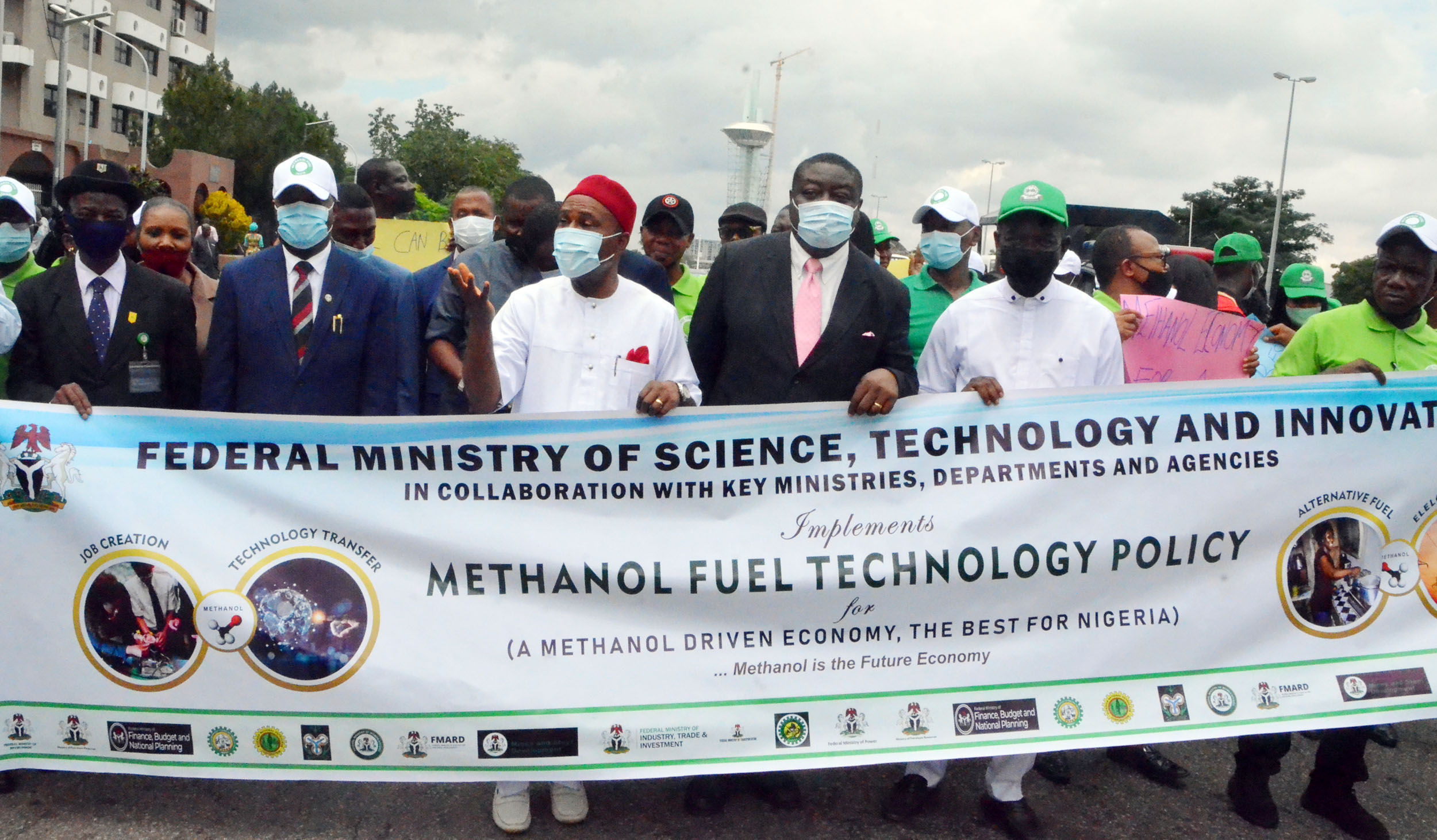
Vice President Yemi Osinbajo, says the Petroleum Industry Act (PIA) and Nigeria’s gas initiatives will help transform Nigeria into a gas-based industrialised nation.
The vice president said the PIA would also create a better-managed petroleum industry with more value addition for both investors and Nigerians alike.
Osinbajo’s spokesman, Laolu Akande, in a statement on Monday in Abuja, said the vice president spoke at a virtual event to commemorate the 25th anniversary of Sahara (Energy) Group.
President Muhammadu Buhari, on August 16, signed the Petroleum Industry Bill (PIB) 2021 into law.
Buhari had also approved a steering committee to oversee the process of implementation of PIA.
The gas initiatives of the Federal Government include the drive to encourage investments in gas production and optimize the nation’s enormous gas potential.
“Locally, we launch into the brave new world for the oil and gas industry with the PIA 2021.
“And this happily converges with the launch of the Year 2020 to 2030 as the ‘Decade of Gas Development for Nigeria’; this is a follow-up to the highly successful initiative of the Year 2020 as the Year of Gas.”
The vice president said that in Novemver 2020, the National Gas Expansion Programme was launched, which focused on the distribution of Compressed Natural Gas and Liquefied Petroleum Gas across gas stations operated by the Nigerian National Petroleum Corporation (NNPC).
Osinbajo said that the main goal of the passage of the PIB and the gas initiatives was to transform Nigeria into a gas-based industrialised nation through enhanced accelerated gas revolution
He said it was also to help create a better-managed petroleum industry where both the people of Nigeria and investors alike can extract value.
According to the vice president, the next 25 years will be defining for the energy industry.
Osinbajo commended Sahara Group for being a great ambassador for the Nigerian entrepreneurial brand.
“The group has demonstrated bold, innovative, knowledge-driven business models that are designed to seize opportunities in other countries and have done so with remarkable success in many African countries.
“Already the wealthier nations and their institutions have banned all public investments in certain fossil projects, including natural gas.
“Examples include the EU, the UK, Germany and Denmark, as well as specific institutions such as the Swedfund from Sweden, Norway’s Sovereign Wealth Fund, the largest in the world, CDC, the development finance institution from the UK, the European Investment Bank, and the Investment Fund for Developing Countries from Denmark.
“The World Bank and other multilateral development banks are being urged by their shareholders to do the same.
“The AfDB is increasingly unable to support large natural gas projects in the face of shareholder pressure from their European members.
“Barely two weeks ago, the UN Secretary-General made a strong call, that ‘Countries should end all new fossil fuel exploration and production, and shift fossil fuel subsidies into renewable energy.”



-

 News4 days ago
Amend Constitution To Accommodate State Police, Tinubu Tells Senators
-
 Politics4 days ago
Senate Urges Tinubu To Sack CAC Boss
-
Business5 days ago
Crisis Response: EU-project Delivers New Vet. Clinic To Katsina Govt.
-
Business5 days ago
President Tinubu Approves Extension Ban On Raw Shea Nut Export
-

 News4 days ago
Disu Takes Over As New IGP …Declares Total War On Corruption, Impunity
-
Business5 days ago
Fidelity Bank To Empower Women With Sustainable Entrepreneurship Skills, HAP2.0
-
Business5 days ago
President Tinubu Extends Raw Shea Nuts Export Ban To 2027
-
Sports5 days ago
NDG: Rivers Coach Appeal To NDDC In Talent Discovery