
Business
NEXIM Supports Women, Youths With N10bn Export Facility

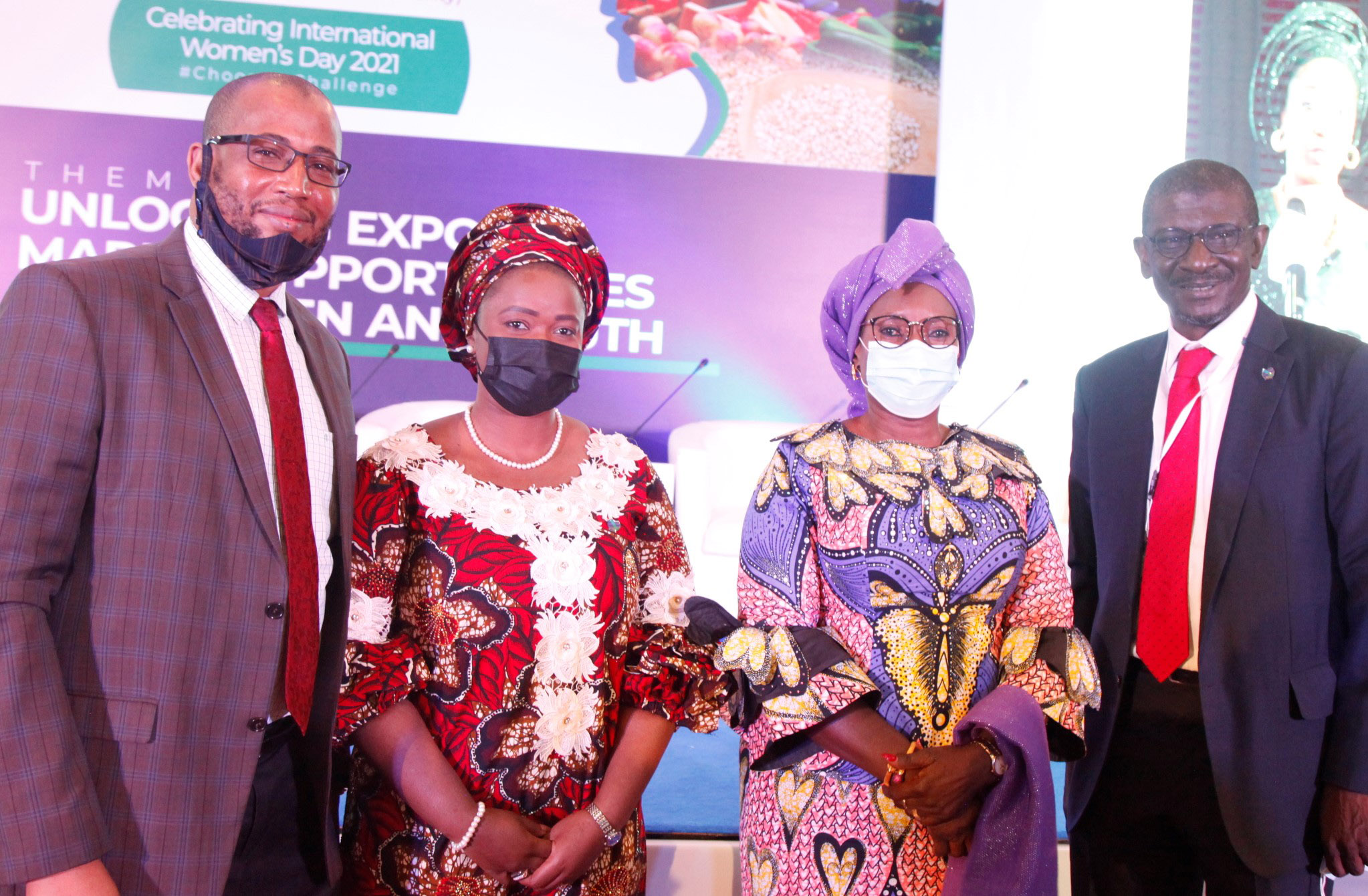
The Nigerian Export-Import Bank (NEXIM) is supporting women and youth with a N10 billion export facility, Executive Director, Business Development, Stella Okotete, says.
She disclosed this yesterday in Abuja at the official presentation of the Women And Youth Export Facility (WAYEF), a new product of the bank.
Okotete also said that WAYEF was developed by the bank on the recognition of the critical role of women and youth in the Small Medium Enterprises (SMEs) sector.
She said that the aim was to upscale the activities of SMEs in the non-oil export value chain to enable Nigerian exporters to take advantage of the enormous potential of international trade.
The executive director also said that the facility, which was originally at a single digit interest rate of nine per cent, would go for five per cent till February 2022.
“So, there’s no better time than now to avail yourself to tap into these products.
“So, if you can actually become an aggregator, you can increase your export quantity and employ more women and young people in Nigeria to play in the export value chain.”
Okotete said that the tenor was in line with working capital and project financing requirements, which was a maximum of two years and five years, subject to review by NEXIM.
The Managing Director of the bank, Mr Abba Bello, said the facility was part of its contribution towards women and youth empowerment.
He said that it was also in commemoration of the 2021 International Women’s Day which was celebrated on March 8.
According to him, most discrimination against wo-men have their roots in age-long cultural practices.
He, however, said there was the need to redouble efforts towards addressing such cultural practices and other obnoxious beliefs that have imposed limitations on gender.
“The female gender is the reason why we are here, the male gender needs to understand that we are poorer, as a people and as nations, by denying women equal opportunities,” he stated.
“Let me clarify though that over the years, the bank has provided a normal support for many export oriented industries who are employers of women and youth.
“We, however, seek to do more by supporting women and youth owned businesses operating in the various aspects of the export value chain,” he said.
Minister for Women Affairs, Mrs Pauline Tallen said it was gratifying that NEXIM recognised the indispensable role of women in economic development and had developed an export facility to cater for their special funding needs.
“This initiative speaks to the new concept of analytical work of grace, quality and how we can best work together across all levels of government, the private sector and the civil society in translating evidence into impact on women’s economic empowerment in Nigeria.



Business
NAFDAC Decries Circulation Of Prohibited Food Items In markets …….Orders Vendors’ Immediate Cessation Of Dealings With Products


Importers, market traders, and supermarket operators have therefore, been directed to immediately cease all dealings in these items and to notify their supply chain partners to halt transactions involving prohibited products.
The agency emphasized that failure to comply will attract strict enforcement measures, including seizure and destruction of goods, suspension or revocation of operational licences, and prosecution under relevant laws.
The statement said “The National Agency for Food and Drug Administration and Control (NAFDAC) has raised an alarm over the growing incidence of smuggling, sale, and distribution of regulated food products such as pasta, noodles, sugar, and tomato paste currently found in markets across the country.
“These products are expressly listed on the Federal Government’s Customs Prohibition List and are not permitted for importation”.
NAFDAC also called on other government bodies, including the Nigeria Customs Service, Nigeria Immigration Service(NIS) Standards Organisation of Nigeria (SON), Nigerian Ports Authority (NPA), Nigerian Maritime Administration and Safety Agency (NIMASA), Nigeria Shippers Council, and the Nigeria Agricultural Quarantine Service (NAQS), to collaborate in enforcing the ban on these unsafe products.
-

 Politics4 days ago
Senate Receives Tinubu’s 2026-2028 MTEF/FSP For Approval
-

 Sports4 days ago
New W.White Cup: GSS Elekahia Emerged Champions
-
Sports4 days ago
Players Battle For Honours At PH International Polo Tourney
-

 Sports4 days ago
AllStars Club Renovates Tennis Court… Appeal to Stop Misuse
-
Sports4 days ago
NFF To Discuss Unpaid Salaries Surrounding S’Eagles Coach
-

 News4 days ago
RSG Lists Key Areas of 2026 Budget
-
Sports4 days ago
2025 AFCON: Things to know about Nigeria’s opponents In Group C
-

 News4 days ago
Dangote Unveils N100bn Education Fund For Nigerian Students


