
Business
Nigeria, US Trade Hits $5.21bn In Eight Months

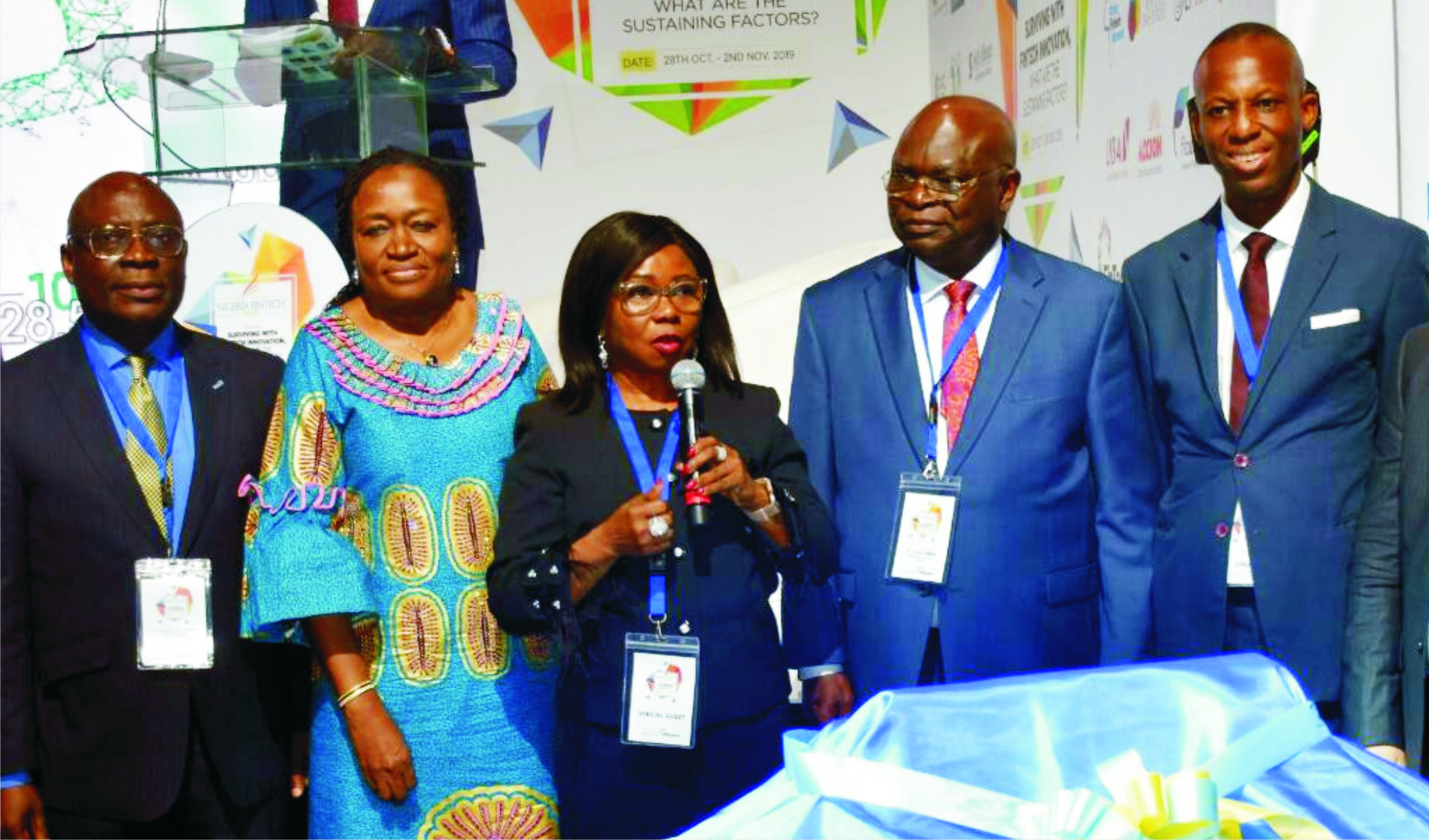
Nigeria and the United States recorded 5.21 billion dollars bilateral trade between January and August this year.
The Consul General, US Consulate in Lagos, Ms Claire Pierangelo, disclosed this during the 2019 International Investment Conference on Wednesday in Lagos.
The event, organised by the Lagos Chamber of Commerce and Industry (LCCI), was themed; ‘Promoting Investment, Connecting Businesses.’
Represented by US Commercial Attache, Ms Christine Kelley, Pierangelo said that the US saw a lot of opportunities in Nigeria, adding that 8.3 billion dollars was recorded as trade in 2018.
She commended Nigeria for improving in its ranking on the World Bank Ease of Doing Business index, saying it foresees more improvement in the economy.
According to her, to sustain flow of foreign direct investment (FDI) into Nigeria, government should maintain an open dialogue with international bodies, improve its regulatory environment, policies and infrastructure.
She urged the business community to hold government accountable on some of its policies, saying that many US companies were affected by some of government’s policies.
Pierangelo said that such policies sent a warning signal to many US investors, thus scaring them away from the country.
According to her, policies such as 43 items on the banned lists and the dairy sector, is a concern to many investors.
She urged the government to take logical steps and adopt roadmaps that would enable it boost sustainable economic growth.
Pierangelo likened investment to water flowing only along easy paths, saying that addressing the challenges of the business environment would unlock more investment opportunities for both countries.
Also, Senior Lecturer, Department of Economics and Business Intelligence, Lagos Business School (LBS), Dr Bongo Adi, noted that Nigeria moving 39 place upward in the Ease of Doing Business ranking was impressive and its best since 2011.
He, however, said that attracting FDI had not matched the achievement, saying the country had about 9 billion dollars FDI inflow in 2011 which had dropped to less than 2 billion dollars in 2018.
Adi said that government should work on policies and initiatives that would allow its improved ease of doing business ranking translate to increased FDI inflow.
Earlier, President of LCCI, Mr Babatunde Ruwase, said that the country was in dire need of investment to advance and transform the economy.
“Investment helps to create jobs, diversify the economy, grow government revenue and improve the welfare of the people,” he said.
Ruwase said that Nigeria’s recovery from recession in 2017 had elicited calls for policies that would support sustainable growth and development.
“Steps have been taken and policies put in place to ensure the revamping of the Nigerian economy through the promotion of industrialisation and non-oil export for sustainable economic recovery,” Ruwase said.
According to him, to sustain the recovery, there must be added drive for domestic and foreign direct investment, promotion of non-oil exports and continued efforts at improving the ease of doing business in the country.



-

 Editorial5 days ago
Enough Of Xenophobic Attacks On Nigerians
-

 Sports5 days ago
Oparaodu Urges Rivers United To Win Katsina United
-

 Education5 days ago
UNIPort Senate Grants Two-Year Amnesty to U2010–U2018 Students
-

 Nation5 days ago
RSU, Otonti Nduka Foundation Holds Centenary Conference, Unveil Book on Values in Nigeria
-

 Oil & Energy5 days ago
Rivers PETROAN Elects 12-Member Executive
-
Politics5 days ago
APC Group Protests Ex–Presidential Aspirant’s Disqualification From Rivers Senatorial Race
-

 Sports5 days ago
” Nigeria’s best domestic players are not in NPFL”
-
Politics5 days ago
Reps Speaker Secures APC Return Ticket For Fifth Term