
Business
Firm Moves To Cultivate 5,000 Hectares Oil Palm In Edo

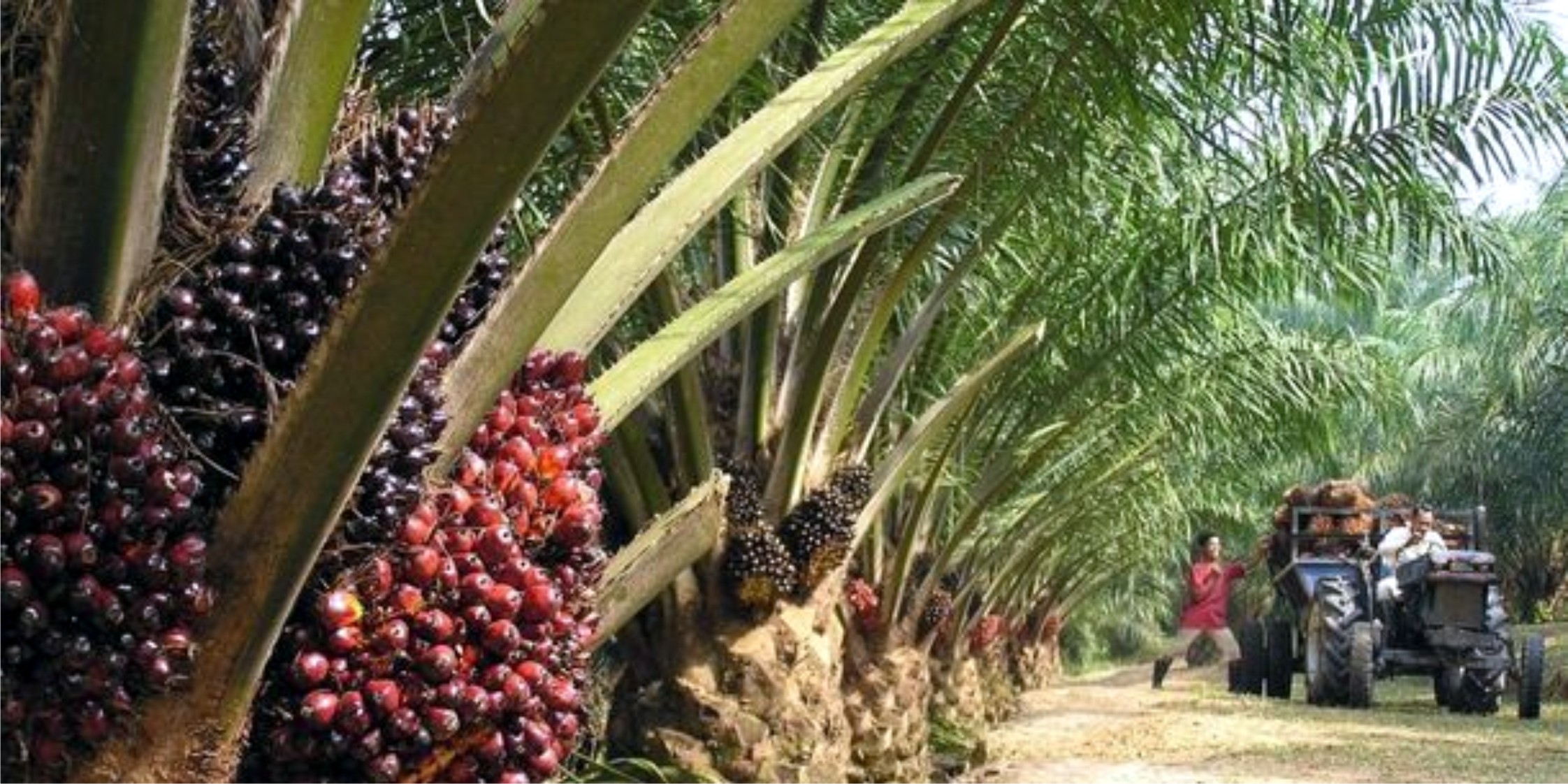
Okomu Oil Palm Plc, says the company is collaborating with the Edo State Government and Terra Agric Nigeria to cultivate oil palm on 5000 hectares of land over a period of six years.
The Agriculture coordinator of the company,Mr Billy Ghanasah disclosed this at the Okomu Smallholder Farm Development Project organised in collaboration with the Edo State Investment Promotion Office (ESIPO) and Terra Agriculture, in Benin City, Edo State, recently
The coordinator said the project would promote complete value chain development of oil palm business in the state for existing and prospective oil palm farmers, adding that the project would be spread across four local government areas reputed for oil palm production in the state.
According to him, Okomu Plc will provide the inputs, technical support and offtake the produce from the farmers, noting, “We are looking at Ovia South West, Ovia North East, Uhunmwode and Esan West local government areas for locations of the hectares and we are expanding our oil mill by 50 per cent in view of this project.”
A former Permanent Secretary, Edo State Ministry of Agriculture, Kadiri Bashiru, commended partners on the project, urging the organisers to have regular training for the youths, who will partake in the initiative.
He said the state government is empowering Edo people to drive the economy through its agri-preneur programme, which links farmers to off-takers and ensures that farmers make good returns from their business.
The Chairman, Terra Agric Nigeria, Jasper Izzi, said the Ambrose Alli University (AAU) would be providing 1000 hectares of land for the oil palm project in Ekpoma under a graduate management scheme.
Mr Izzi said AAU was also collaborating in the training of farmers and development of arable crops and animal husbandry in the proposed land, adding, “We want to have one graduate to four hectares of land. This means 250 graduates will manage 1000 hectares of land with the support of over 9,000 unskilled labourers.
“Once Okomu starts preparing the oil palm seedlings which will take about a year, we will use the land for arable crop production and animal husbandry,” he added.
The Head, Edo State Investment Promotion Office, ESIPO, Kelvin Uwaibi, said the state government was partnering with the stakeholders to boost job creation and educate farmers on modern agricultural techniques to adopt.
Mr Uwaibi added that the state government would be providing the enabling environment for the investment, noting, “We are supporting this to ensure investments that come into the state have the needed environment to thrive and to ensure that we are the final destination for investors.”



-

 News5 days ago
Amend Constitution To Accommodate State Police, Tinubu Tells Senators
-

 Politics5 days ago
Senate Urges Tinubu To Sack CAC Boss
-
Business5 days ago
Crisis Response: EU-project Delivers New Vet. Clinic To Katsina Govt.
-
Business5 days ago
President Tinubu Approves Extension Ban On Raw Shea Nut Export
-

 News4 days ago
Disu Takes Over As New IGP …Declares Total War On Corruption, Impunity
-
Business5 days ago
Fidelity Bank To Empower Women With Sustainable Entrepreneurship Skills, HAP2.0
-
Business5 days ago
President Tinubu Extends Raw Shea Nuts Export Ban To 2027
-
Sports5 days ago
NDG: Rivers Coach Appeal To NDDC In Talent Discovery