
Business
LCCI Urges FG To Encourage Private Sector Health Financing

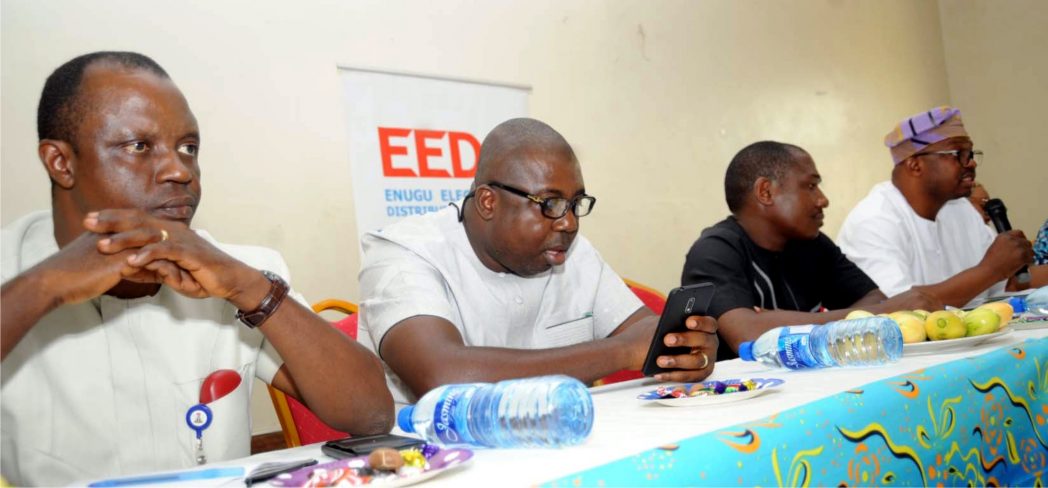
The Lagos Chamber of Commerce and Industry (LCCI) has urged the Federal Government to adopt and implement strategies toward creating a conducive investment climate for more private sector participation in health financing.
Mr Babatunde Ruwase, the President of LCCI, made the appeal at a forum on celebration of World Malaria Day held in Lagos.
The Tide source reports that the programme was organised by LCCI in collaboration with the Nigeria Liquified Natural Gas (NLNG).
The World Malaria Day is celebrated on April 25 annually to create awareness about the scourge of malaria in Nigeria and across the globe and suggest recommendations for possible solutions and controls.
Ruwase advocated for more private sector participation and funding of the sector, saying government and international donor agencies alone might not be able to finance estimated malaria budget.
“With $2.7 billion invested globally to fight malaria in 2016, this represents less than 41 per cent of the estimated $6.5 billion needed annually till 2020 in order to reach the 2030 global malaria targets.
“In 2016, there were 216 million cases of malaria in 91 countries, five million more than the 211 million cases reported in 2015.
“Malaria deaths in Africa accounted for 407,000 cases out of the global number of 445,000 in 2016.



-

 Politics5 days ago
Senate Urges Tinubu To Sack CAC Boss
-

 News5 days ago
Amend Constitution To Accommodate State Police, Tinubu Tells Senators
-
Business5 days ago
Crisis Response: EU-project Delivers New Vet. Clinic To Katsina Govt.
-
Business5 days ago
President Tinubu Approves Extension Ban On Raw Shea Nut Export
-

 News4 days ago
Disu Takes Over As New IGP …Declares Total War On Corruption, Impunity
-
Business5 days ago
Fidelity Bank To Empower Women With Sustainable Entrepreneurship Skills, HAP2.0
-
Business5 days ago
President Tinubu Extends Raw Shea Nuts Export Ban To 2027
-
Sports5 days ago
NDG: Rivers Coach Appeal To NDDC In Talent Discovery