
Business
FG Bows To Labour, Reduces Petrol Price

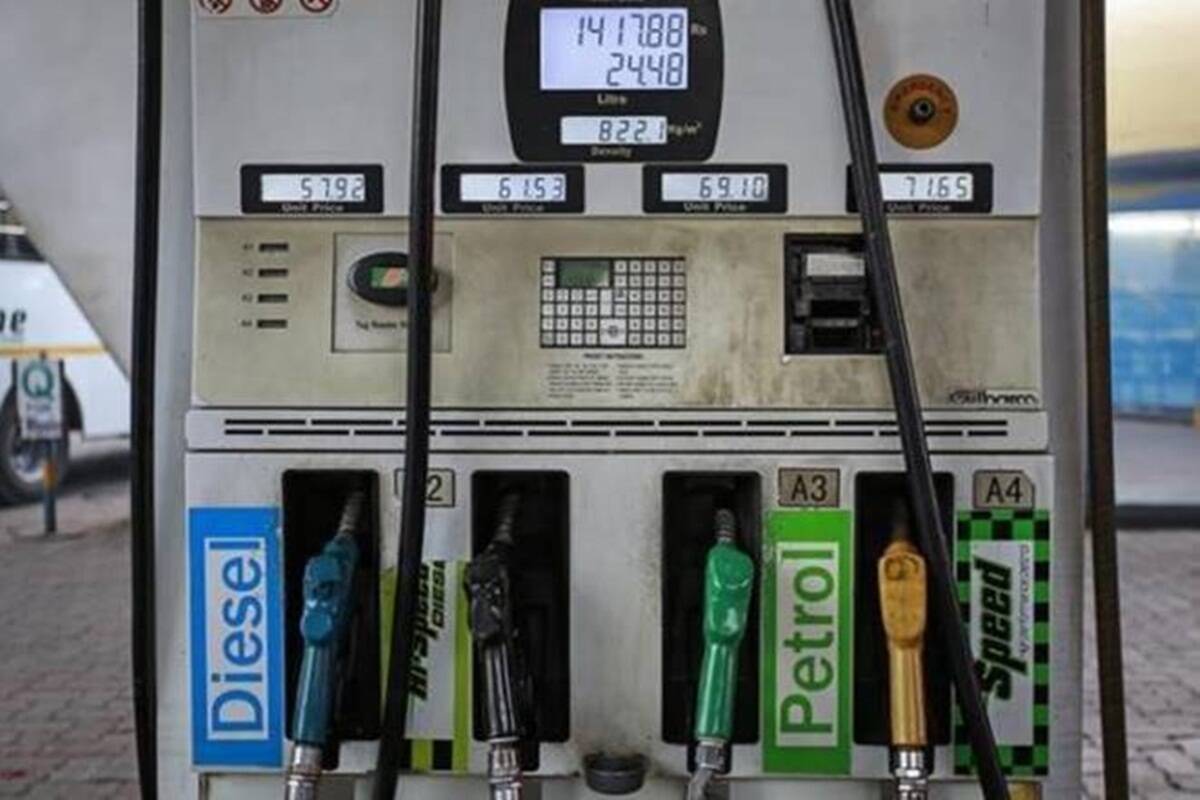
The Federal Government has reduced the pump price of premium motor spirit otherwise know as petrol from N168 per litre to N162.44 per litre effective from December 14, 2020.
Minister of Labour and Employment, Chris Ngige told reporters at the end of a meeting with labour leaders which began at 9pm on Monday and ended at 1:30am yesterday.
The product presently sells at N168, following the decision of the Petroleum Products Marketing Company, a subsidiary of the Federal Government – owned Nigerian National Petroleum Corporation to increase the ex-depot price of petrol from N147.67 per litre to N155.17 per litre in November.
The ex-depot price is the price at which the product is sold by the PPMC to marketers at the depots.
The minister said a technical committee has been set up by the larger house to ensure price stability in the industry.
Ngige stated that the committee, which will report back to the lager house on the 25th of January next year, will be appraising the market forces and every other thing that will make for stability in the industry.
Organised labour and some pressure groups had protested the pump price of petroleum products, describing it as unbearable in the face of economic hardship being currently suffered by Nigerians.


Business
IPMAN Raises Concern Over Delay In Chinese Refinery Deal …Predicts Lower Fuel Prices Through Competition

-
Rivers23 hours ago
Rivers Police Uncovers Firearm Concealed In Loaf Of Bread
-

 Niger Delta19 hours ago
Pro-Chancellor Hands Over Okey Onuchuku Peace, Conflict Institute Building
-

 News20 hours ago
Fubara Reaffirms Commitment To Blue Economy, Private Sector Growth …Calls For Protection Of Marine Resources
-
Sports23 hours ago
Six Nigerians To Play For NBA Teams
-
Business23 hours ago
Gas Economy: Decade of Gas, Pi-CNG/ EV Deepen Media Engagement
-
Business24 hours ago
Navy Nabs 13 Black Sand Miners In Bayelsa –Impound Two Boats
-

 Business20 hours ago
IPMAN Raises Concern Over Delay In Chinese Refinery Deal …Predicts Lower Fuel Prices Through Competition
-
Business23 hours ago
Accountable Leadership, Urgent Reforms Will Stimulate Economic Growth — Osi