
Business
Petrol Subsidy Removal, A Game-Changer -LCCI

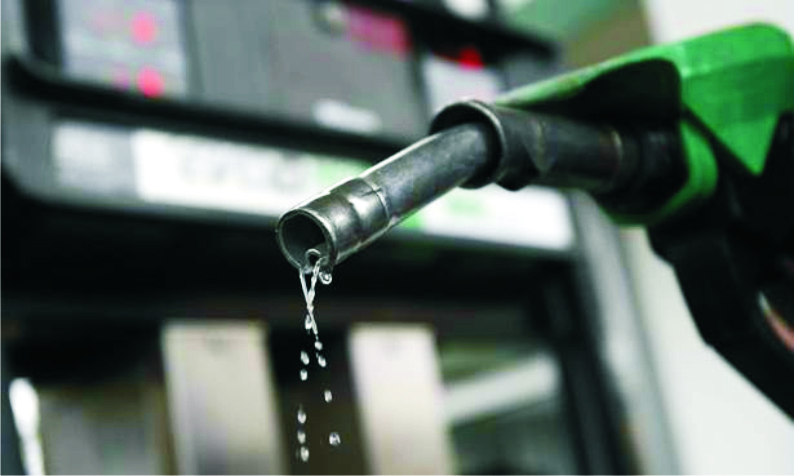
The Lagos Chamber of Commerce and Industry (LCCI), has said that the decision by the Nigerian National Petroleum Corporation (NNPC) to put an end to fuel subsidy will be a game-changer for the oil and gas sector and the economy.
The Director-General, LCCI, Dr Muda Yusuf, said in a statement on Sunday that the impact on the economy would be invaluable.
He said, “However, it is vital to ensure that this new policy direction will be entrenched so that there will be no contemplation of any form of reversal.
“We are aware that similar attempts to undertake this crucial reform in the past had not been successful. However, we are confident that in the current dispensation, this will not be the case.”
He said urgent steps should be taken to consummate the reform process with an appropriate legislative framework, adding that such a legislative review would reconcile the initiative with some extant laws.
According to Yusuf, examples of such legislation are those setting up the Petroleum Subsidy Fund, the Petroleum Product Pricing and Regulatory Agency and the Petroleum Equalisation Fund.
He said, “It is imperative to ensure clarity on access to foreign exchange for petroleum marketers to import petroleum products.
“Operators [who are currently in a quandary on this matter] are eagerly awaiting guidelines from the Central Bank of Nigeria on this critical aspect of access to forex for the importation of petroleum products.”
The LCCI commended the NNPC’s pronouncements on the future involvement of the private sector in the operation of the countries’ moribund refineries.
“This is another laudable initiative which will ensure that these national assets are put to use for the growth and development of our economy,” Yusuf said.
According to him, one of the critical elements of the oil and gas sector reform, particularly the downstream sector, is the complete deregulation of the sector.
He noted that this was the spirit of the Petroleum Industry Bill, “which, regrettably, has got stuck in the legislative processes for close to two decades.”
He said the reform of the downstream sector would free resources for investment in critical infrastructure such as power, roads, the rail systems, health sector and education sector.
Yusuf said, “Nigeria has been in the business of oil for over 50 years, but we don’t have any private refineries operating on a commercial scale. This is a big issue.
“No oil-producing country imports refined petroleum products on a scale that we do in Nigeria. It is inexcusable.”
He added that it would unlock the huge private investment potential in the sector, especially in petroleum product refining.


Business
IPMAN Raises Concern Over Delay In Chinese Refinery Deal …Predicts Lower Fuel Prices Through Competition

-
Rivers2 days ago
Rivers Police Uncovers Firearm Concealed In Loaf Of Bread
-

 Niger Delta2 days ago
Pro-Chancellor Hands Over Okey Onuchuku Peace, Conflict Institute Building
-
Sports2 days ago
Six Nigerians To Play For NBA Teams
-

 News2 days ago
Fubara Reaffirms Commitment To Blue Economy, Private Sector Growth …Calls For Protection Of Marine Resources
-
Business2 days ago
Gas Economy: Decade of Gas, Pi-CNG/ EV Deepen Media Engagement
-
 Business2 days ago
IPMAN Raises Concern Over Delay In Chinese Refinery Deal …Predicts Lower Fuel Prices Through Competition
-
Sports2 days ago
NPFL Warns Newly Promoted Clubs
-
Business2 days ago
Navy Nabs 13 Black Sand Miners In Bayelsa –Impound Two Boats