
Opinion
Discrimination Taken Too Far

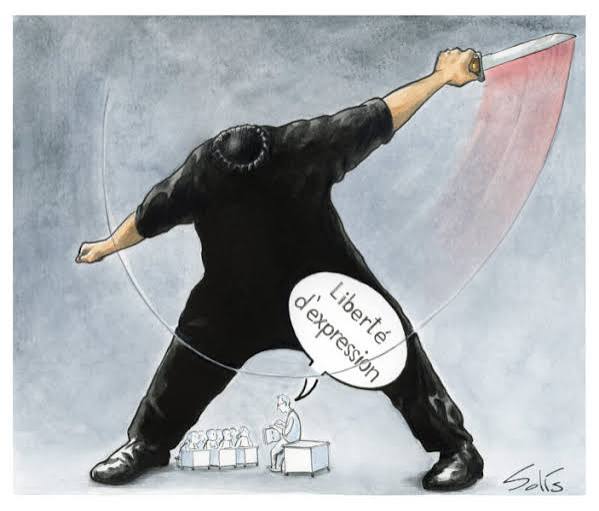
Tribalism and ethnicism are two major issues holding Nigeria down. It is seen everywhere – in the government circle, in churches, professional bodies, trade unions, just name it. A non-indigene of a particular state may devote his time, energy and resources serving the state or organisations in the state and no one will raise an eye brow, but the moment he wants to vie for certain positions in the place or is penciled down for an appointment, the issue of tribalism and ethnicism come up. He is reminded that he is not an indigene of that state and so cannot occupy that position even though he has all it takes. It’s so unfortunate and painful.
The pain is more when the person being discriminated upon is a woman, married to a man from the state in question just as it happened in Cross River State three days ago. The state House of Assembly rejected the appointment of Akon Ikpeme as substantive chief judge of the state because she is from Akwa Ibom State even though she is married to a Cross Riverian. Despite the fact that she is qualified for the office based on age-long tradition of appointing the most senior judge to head the judiciary of states and was recommended by the National Judicial Council (NJC), the lawmakers rejected her nomination, terming her a security threat to the state just because she hails from neighbouring Akwa Ibom but was born, bred, schooled, spent all her life in Cross River State and married to a full-fledged Cross River man. Meanwhile, she was said to have gotten security clearance from the Department of State Services (DSS).
It’s worrisome that Nigeria still toes this path of discrimination when other nations of the world are opening their doors of employment and other opportunities to people from all parts of the world, who are qualified and competent to carry out the jobs and help in the development of their nations. Can we count the number of Nigerian lawyers, doctors, scientists and other professionals who have worked and are still working for governments of other countries across the globe? Just last November, a Nigerian, Joseph Chukwueke, was elected as the mayor of the city of Woodlynne in New Jersey, United States. Similarly, the current UK Minister of Children and Families, otherwise known as Parliamentary Under-Secretary of State for Children and Families, is a UK-born Nigerian, Kemi Badenoch. She was appointed some months back by Prime Minister Boris Johnson. A lot more other examples abound.
But for the coronavirus outbreak, members of Nigeria Association of Women Journalists (NAWOJ), Medical Women Association of Nigeria (MWAN), female lawyers and other female professional bodies, NGOs and CSOs, would have been heading to New York for the United Nations Commission on Status of Women (CSW64) that would have ticked off on International Women’s Day, Monday March 9. Nigerian women would have joined women from different parts of the world to advocate for equity, women’s right, end to discrimination and all forms of violence against women, but right here in our land, a woman is denied her hard-earned, well deserved right because of senseless, mundane reason.
If one may ask, when did married women in Nigeria stop being indigenes of their husbands’ homeplace? We have always known that once a woman gets married to a man from the next clan, village, local government area or wherever, she automatically becomes an indigene of that place. The House of Representatives even took the matter higher in 2018 through the passage of the “Bill for an act to amend the Federal Character Commission (Establishment, etc) Act, 2010, Law of the Federation of Nigeria, CAP F7 to give married women the option of indigeneship and for other related matters”.
If only this bill will be passed into law to stop the kind of grave injustice meted on Justice Ikpeme as described by FIDA, “The action of the Executive Governor of Cross River State in appointing a junior judge instead of the Hon Justice Akon B. Ikpeme, who is the next senior judge in the hierarchy of Cross River State Judiciary is a grave injustice… FIDA restates that discrimination based on the state of origin amounts to grave injustice being that the constitution says, “the most senior judge of the High Court… and not the most senior indigenous judge of the High court”.
The female lawyers called on Gov Ben Ayade to retrace his steps by swearing in the right person for the office of the Chief Judge of the state and prove to the world that he abhors all forms of discrimination by swearing in the most senior Judge who had been acting effectively.
In the view of the President of Nigerian Bar Association, Mr Paul Usoro: “This absurdity and naked injustice and prejudice must not be allowed to stand. The Nigerian Bar Association (NBA) is unequivocally opposed to the appointment of Eneji J as the Acting Chief Judge of the State and even more opposed to the unsavory political intrigues within the Executive and Legislative arms of the Cross River State that has so far resulted in the unconstitutional failure of both arms to confirm and swear in Ikpeme J as the substantive Chief Judge of the State”.
He further reminded the governor and the state lawmakers of the oat they took to uphold the Nigerian Constitution, the provision of which, among other things, forbids discrimination on grounds of ethnic background.
One, therefore, thinks Governor Ayade should listen to these and other voices of reason and rewrite the wrong in the interest of peace and unity in the country. Any action capable of causing further division in the country, especially along ethic, tribal and religious lines, should be avoided as we can all attest to the disastrous effect of such action. Cross River and other states should borrow a leaf from Rivers State where the current Chief Judge is not from the state by birth, yet she was appointed on the basis of seniority.
Most importantly, unless we, as a nation and people, learn to shun ethnic, tribal, religious, political and all manner of sentiments during employment, appointment, admission and others and focus on merit, competence and qualification, we will remain where we are.
Calista Ezeaku



Quote: “Ogoniland does not
The latest attack by Chief
Instead, the gathering and
The proposal for a unified
The question should be: who
It is easy to criticise
The people are looking beyond
onest people can reach
Society must therefore
Quote: “Privilege should
There is an old saying that
While motivations cannot
A person who benefits from a
This is why citizens should
We must not assume that
By: Michael Abraham
Quote:”Although the Federal
The recent outburst by the
The senator also alleged
They connect ports, airports,
To address these challenges,
Rwanda and Morocco, for
FERMA should also prioritize
Many Nigerians have asked
-

 News2 days ago
RSG Targets Nine Million Residents in Mosquito Net Distribution Campaign
-

 Oil & Energy2 days ago
Aiyedatiwa Signs New Electricity Bill
-

 Oil & Energy2 days ago
NLNG Commissions Research And Innovation Centre In RSU
-

 Maritime2 days ago
Marine Minister Commends President Tinubu On NPERA Bill Assent
-

 News2 days ago
KenPoly Holds Eight Convocations, August 29
-

 News2 days ago
RSG Begins Another Phase of Projects Commissioning Today
-

 News2 days ago
RMAFC Completes Revenue Sharing Review, Proposes New Pay
-

 Maritime2 days ago
NAGAFF Petitions IGP Over Alleged Maritime Police Harassment