
Business
NERC Seeks Tertiary Institution’s Assistance To Improve Power Supply

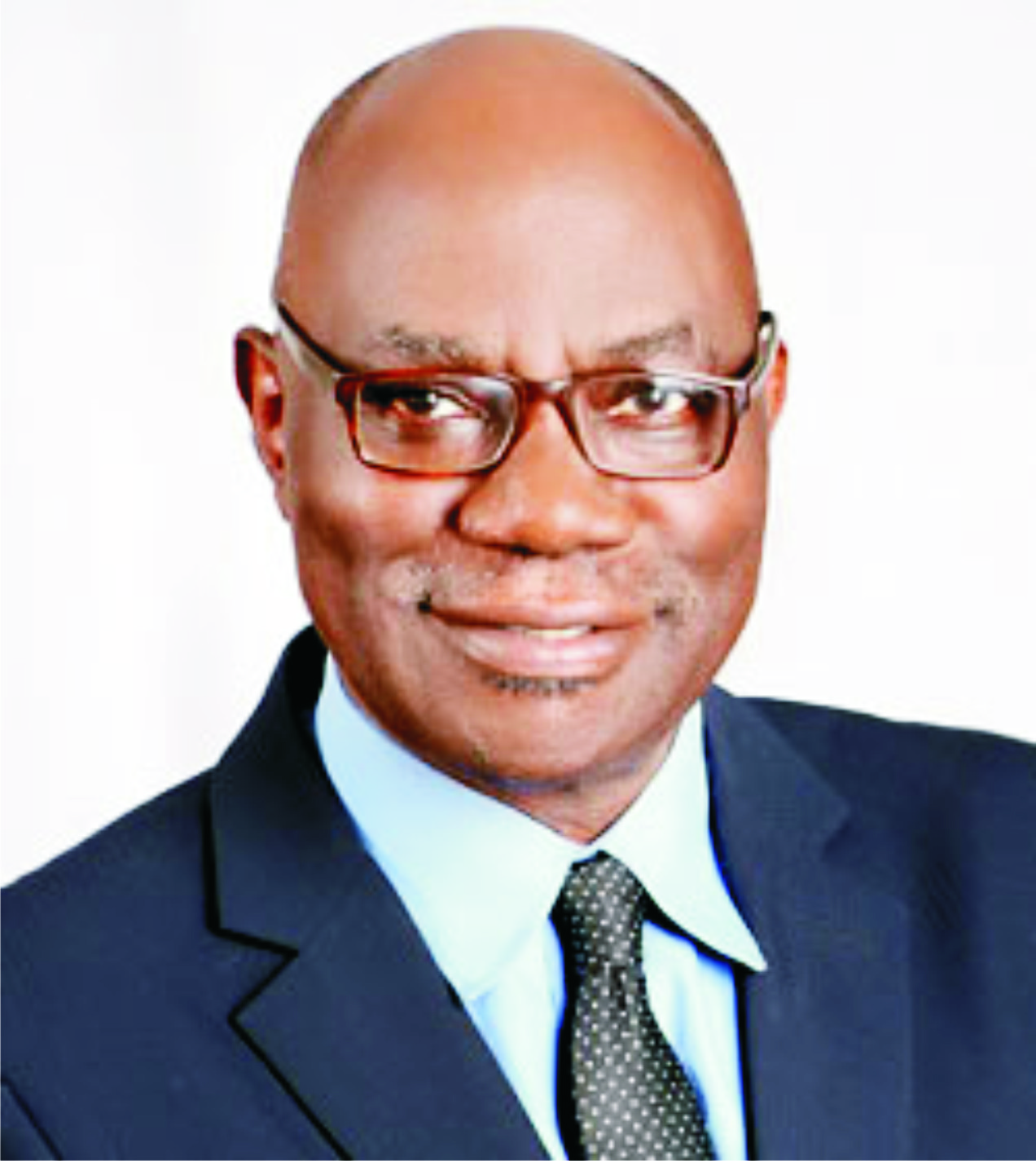
The Chairman Nigerian Electricity Regulatory Commission (NERC) Prof James Momoh has called on tertiary institutions in Nigeria to carry out researches and innovations to improve power supply in the country .
Momoh made the call while delivering a Convocation Lecture titled “Reform of the Power Sector in Nigeria” at the African University of Science and Technology (AUST), Abuja over the weekend.
He said that the traditional way of operating the universities and colleges should be radically changed to support the sector through research and development.
“Capacity development, innovations and solution providing roles in partnership with other sister research centres is a sure way universities can make impacts on the power sector.
“Special courses and curriculum should be introduced to facilitate a unified knowledge approach towards finding sustainable solutions to existing and emerging demands of the power sector,” he said.
He listed areas of interest in the power sector where universities can leverage on to include; power policy research, design and installation training, smart metering, smart grid, techniques of data mining, among others.
Momoh said that proper policy, research, innovations, application of advanced technology, appropriate regulation and standard with optimised technology are all interconnected in determining the efficiency of the modern electric grid.
“The role of universities and research institutes in promoting efficient power generation, transmission, distribution, market and tariffs cannot be overemphasized,” he said.
Momoh stressed that the engagement of the tertiary institutions and research institutes in synergy with critical stakeholders is crucial to improving electricity supply in the country.


Business
IPMAN Raises Concern Over Delay In Chinese Refinery Deal …Predicts Lower Fuel Prices Through Competition

-
Rivers1 day ago
Rivers Police Uncovers Firearm Concealed In Loaf Of Bread
-

 Niger Delta22 hours ago
Pro-Chancellor Hands Over Okey Onuchuku Peace, Conflict Institute Building
-

 News23 hours ago
Fubara Reaffirms Commitment To Blue Economy, Private Sector Growth …Calls For Protection Of Marine Resources
-
Sports1 day ago
Six Nigerians To Play For NBA Teams
-
Business1 day ago
Gas Economy: Decade of Gas, Pi-CNG/ EV Deepen Media Engagement
-
Business1 day ago
Navy Nabs 13 Black Sand Miners In Bayelsa –Impound Two Boats
-
 Business24 hours ago
IPMAN Raises Concern Over Delay In Chinese Refinery Deal …Predicts Lower Fuel Prices Through Competition
-
Business1 day ago
Accountable Leadership, Urgent Reforms Will Stimulate Economic Growth — Osi