
Business
Oil Earnings Rise By N363bn In Three Months

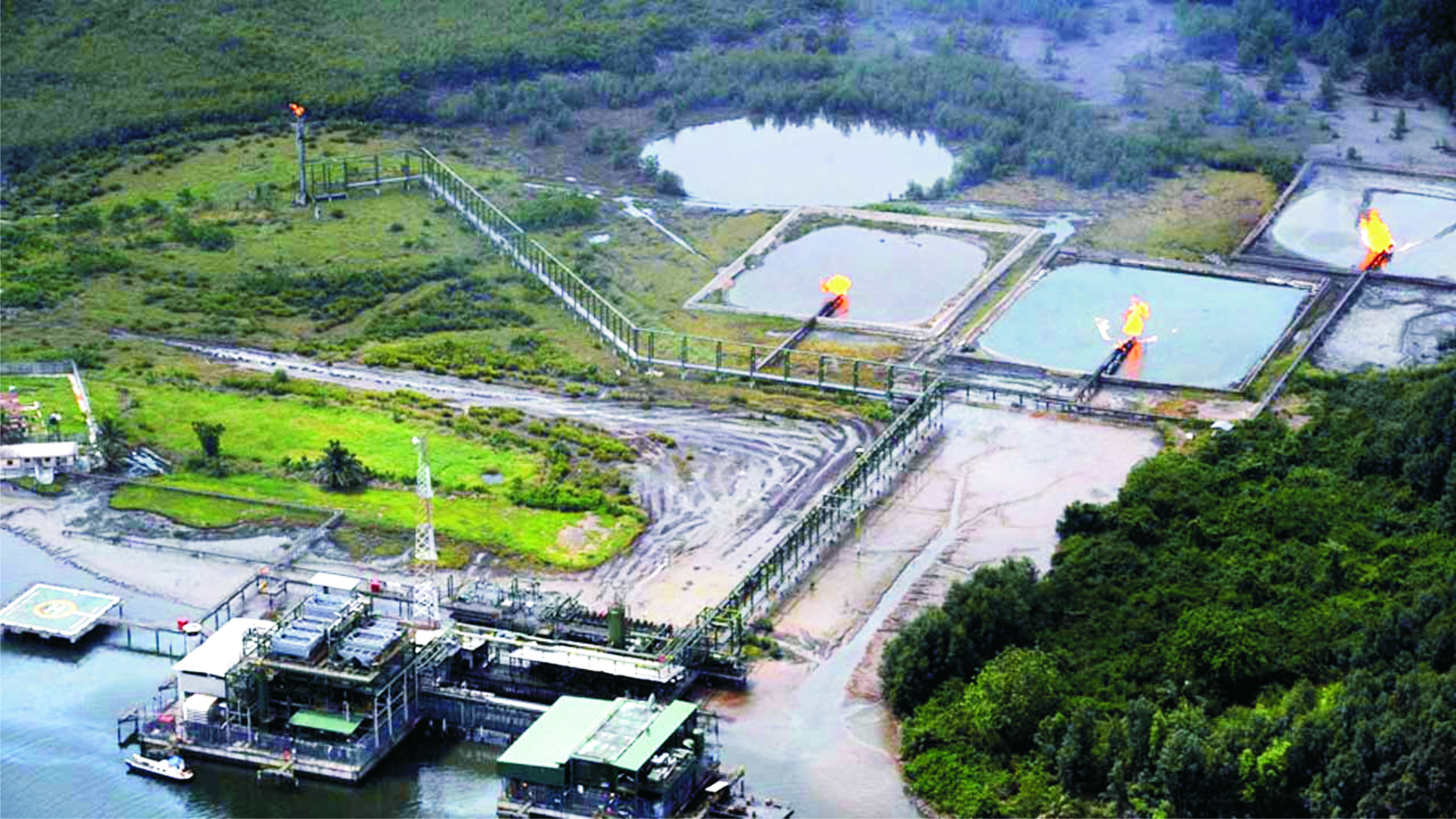
More progress has been made in Nigeria’s oil earnings following improvements in security in the Niger Delta region, as the country raked in an additional N363billion from crude oil sale in October, November and December, last year.
The figures, obtained from the Federal Ministry of Petroleum Resources last Sunday, has showed that the country’s oil production rose by 1.014 million barrels per day in October, representing an increase of 0.077mbpd when compared to the 0.937mbpd output in September.
In November, the country pumped 1.185mbpd crude, indicating an increase of 0.171mbpd when contrasted with the daily output in the preceding month of October.
Also, in December last year, oil production kept increasing, as Nigeria produced 1.253mbpd last month, indicating an increase of 0.05mbpd when compared to its output in November.
Data reports have shown that the global benchmark for crude, was $93.4/barrel, $89.62/barrel and $76.42/barrel respectively within the period under focus, and since oil production in Nigeria rose by 0.077mbpd in October, this represents an increase of 2.387 million barrels in that month.
At an average, crude oil price of $93.4/barrel in the review month, implies that the country earned an additional $222.95 million (N101.02 billion, at the official exchange rate of N453.1$) in October last year.
In November, Nigeria’s oil production rose by 0.171mbpd, an equivalent of 5.13 million barrels in that month, while the average price of crude in the same month was put at $89.62/barrel.
This indicates that Nigeria’s oil earnings increased by $459.75 million (N208.31 billion at the Central Bank of Nigeria official exchange rate of N453.1/$).
In December 2022, oil output from Nigeria grew by 0.05mbpd, representing 1.55 million barrels for the review month, while the average cost of Brent was $76.42/barrel.
Therefore, the Federal Government’s revenue from crude oil export last month rose by $118.45 million (N53.67 billion at the official exchange rate of N453.1/$).
The summation of the monthly revenue rise during the period showed that Nigeria earned an additional N363 billion from oil sales within the three-month duration following the improvement in security in the Niger Delta region.
President Muhammadu Buhari , recently ordered security agencies to eradicate crude oil theft and pipeline vandalism in the Niger Delta before May 29, 2023.
He said the order became vital in order to effectively ramp up the country’s oil output, stressing that the Federal Government could no longer tolerate the criminality.
Buhari gave the directive through the Minister of State for Petroleum Resources, Chief Timipre Sylva, while addressing troops of the Joint Task Force Operation Delta Safe in Port Harcourt, Rivers State, and Effurum, Delta State.
By: Corlins Walter


Business
IPMAN Raises Concern Over Delay In Chinese Refinery Deal …Predicts Lower Fuel Prices Through Competition

-
Rivers3 days ago
Rivers Police Uncovers Firearm Concealed In Loaf Of Bread
-

 Niger Delta3 days ago
Pro-Chancellor Hands Over Okey Onuchuku Peace, Conflict Institute Building
-
Sports3 days ago
Six Nigerians To Play For NBA Teams
-

 Business3 days ago
IPMAN Raises Concern Over Delay In Chinese Refinery Deal …Predicts Lower Fuel Prices Through Competition
-

 News3 days ago
Fubara Reaffirms Commitment To Blue Economy, Private Sector Growth …Calls For Protection Of Marine Resources
-
Business3 days ago
Gas Economy: Decade of Gas, Pi-CNG/ EV Deepen Media Engagement
-

 Politics3 days ago
Senate Defends Passage Of State Police Bill
-
Sports3 days ago
NPFL Warns Newly Promoted Clubs