
Business
Electricity: FG Boosts Transmission By 1,000MW

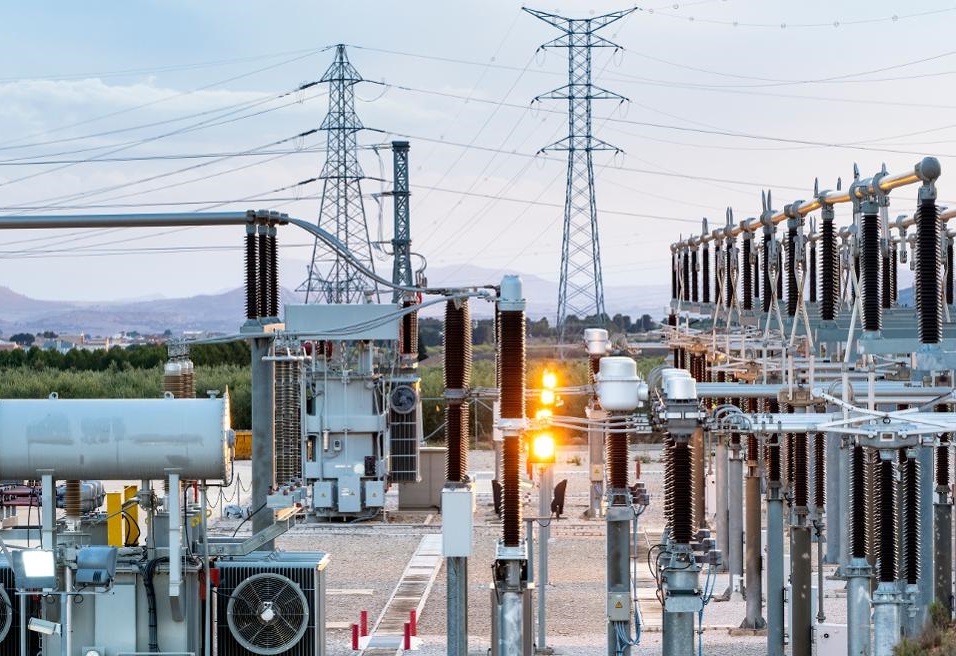
The Minister of Power, Abubakar Aliyu, has said that the six power substations nearing completion in various locations in the Federal Capital Territory would boost electricity transmission by over 1,000 megawatts.
He also said the 700 megawatts Zungeru Hydropower Project in Niger State would have been completed since January but was stalled by insecurity in the area.
Aliyu, in company of the Managing Director, Transmission Company of Nigeria, Sule Abdulaziz, and officials of Federal Ministry of Power and TCN, disclosed this as they inspected the substations on Friday ahead of the proposed inauguration of some of them next month.
The Minister, who spoke to journalists during the inspection tour, said the projects would grow the wheeling capacity of TCN by over 1,000MW.
“This is a TCN project and is called the Abuja Ring Project. This project, which is about six, combining lines and substations, has a brand new substation in Gwarimpa that will be completed this month or in December.
“Once completed, it will increase the capacity of TCN. In all, we have six of these projects, and they’ll increase the wheeling capacity of the transmission company by over 1,000MW.”
He named some of the power projects to include the Dawaki, Old Apo, New Apo, and Kuje transmission substations.
The Minister said one of the mega transformers acquired by the Federal Government from Siemens had been cleared at the ports and would be installed at the Old Apo substation.
“The work is going on very well and the quality is also good. We will have staggered completion because they are different projects. Some have certain challenges and we will look at them critically to see how we can solve them.
“The challenges mostly involve the clearance of the goods at the ports, which is delaying the completion of some of them. But, in fact, the Dawaki project is over 90 per cent completed, as well as others”, Aliyu said.
Meanwhile, the Minister had called for patience among Nigerians with regard to power supply, stressing that the various electricity projects across the country would take time to complete.
On the 700MW Zungeru Hydropower Project, Aliyu said he was at the facility last week but stated that the power plant had suffered undue delay due to the level of insecurity in Niger State.
Noting that insecurity is one factor that has disrupted power projects, he said, “we are working round the clock to ensure that we face it head on.
“The military and others are helping in that regard. We would have completed Zungeru since January, but the insecurity there stalled the progress of the project.
“But now, everything is resolved, the military and other security agencies have brought in men to assist in securing that area”, he stated.
He added that work had resumed at the project site, saying that the plant, when completed, would further grow the country’s output in terms of power generation.


-

 Editorial2 days ago
Domesticate FG’s Exit Benefit Scheme
-

 News1 day ago
RSU Unveils Five-Year Strategic Dev Plan …Calls For Collective Commitment To Institutional Excellence
-

 News2 days ago
DHQ Confirms Deaths Of Terrorists, Soldiers In Borno Attack
-

 News1 day ago
Tinubu Commissions Bayelsa Gas Turbine, Other Projects Today
-
Rivers2 days ago
Dep Gov Seeks Collaboration, Transparency Between RIVCHPP, PHCMB
-
Nation1 day ago
Rumuji Youth Leader Condemns Protest, Disowns Alleged Government Empowerment Claim
-
Business2 days ago
Niger Delta Investment Summit Targets $5bn Inflows, 500,000 Jobs
-

 Featured2 days ago
FG Reaffirms Nigeria’s Stability As US Embassy Suspends Visa Appointments In Abuja Office