
Business
Countries Borrowing To Finance Budget Deficits Not Bad – DMO

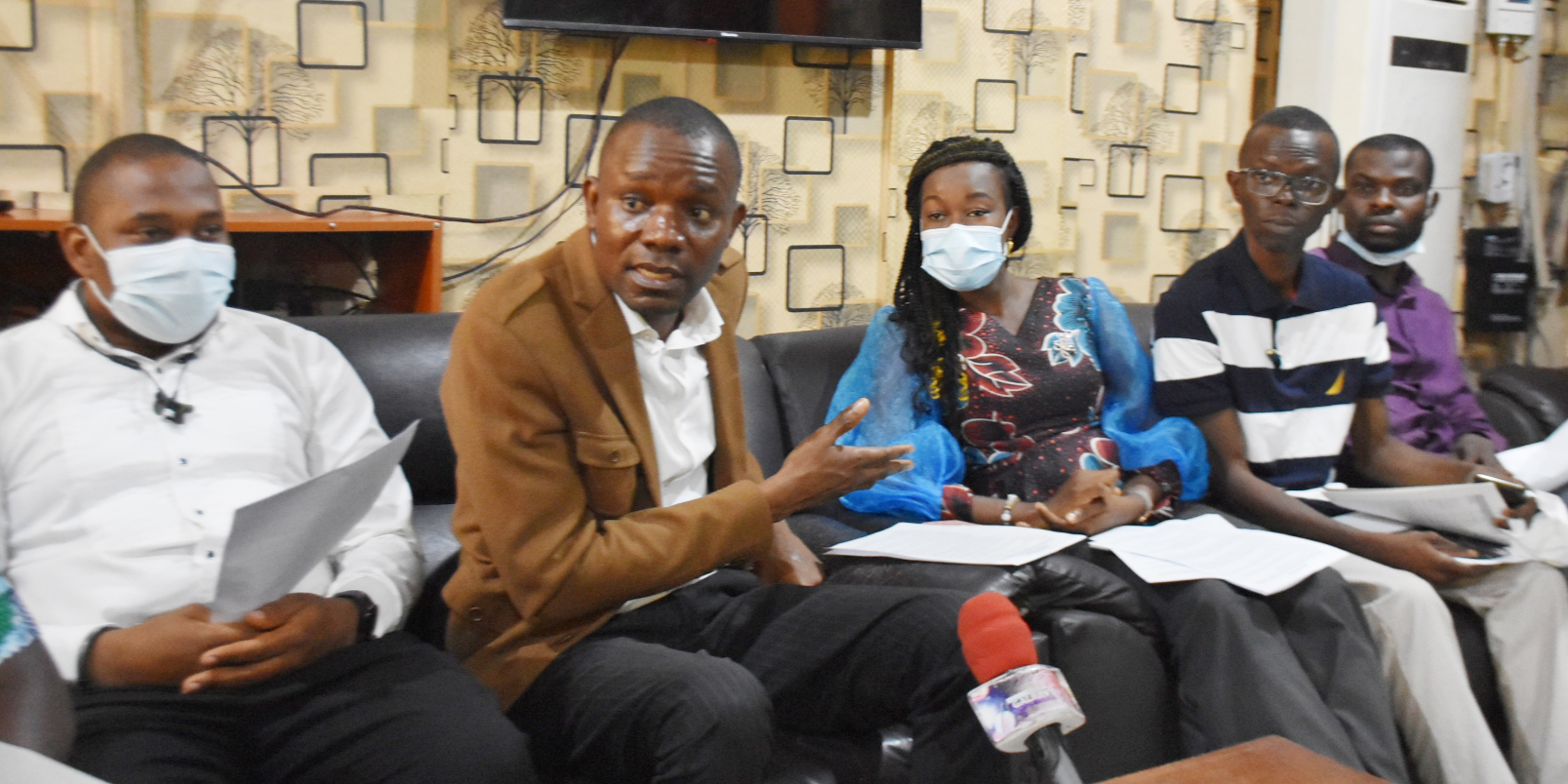
The Director-General (DG) of the Debt Management Office, Patience Oniha, has said countries borrowing to finance budget deficits and critical infrastructure is not necessarily a bad idea.
Disclosing this in an interview with The Tide’s source yesterday in Lagos while speaking during a programme on security issuance organised by the Debt Management Office (DMO), the DG said government borrowings were done by all countries across the world, mostly to finance critical infrastructure, the multiplier effects of which could not be overemphasised.
Oniha stated that successive Nigerian governments have had to borrow to fund budget deficits, adding that annual budgets would be affected if funds were not raised to support them.
“The issue of debt has become topical in Nigeria that sometimes it almost looks as if borrowing is an offence or a crime. The first thing we must understand is that countries across the world borrow, be it poor countries, advanced countries, developed countries, emerging markets, they all borrow.
“We usually hear complaints that debt levels are rising in Nigeria. Globally, debt levels are rising – not just in Nigeria,” she said, stressing that the advent of COVID-19 had also made borrowing imperative for many countries, regardless of size, population, or economic growth.
“What has happened with COVID-19 is that countries needed to spend more, not only on health needs but on social needs as well, because we need to take care of the people who are losing their jobs.
“We need to create incentives for the private sector to continue operating in order to avoid a big recession because most countries experienced (recession).
“We did as well, but we came out of it after two quarters. Government spending is one of the tools you can use properly to exit a recession,” she affirmed.
The DMO boss made a case for the Federal Republic of Nigeria with regards to financing budget deficits, financing specific projects and services like railways, roads, airports, et al., opining that infrastructural financing is in “itself an economy”, capable of creating enormous jobs across all sectors in the country.
“We also borrow to finance maturing loan obligations like the Federal Government of Nigeria bonds and Nigeria Treasury Bills,” Oniha said, and observed that certain statutory norms regulating government’s borrowings at various levels and guarding against fiscal impropriety arising from the process.
“The Fiscal Responsibility Act states that borrowing should be for capital purposes and for human capital development.



-

 Editorial4 days ago
Enough Of Xenophobic Attacks On Nigerians
-

 Education4 days ago
UNIPort Senate Grants Two-Year Amnesty to U2010–U2018 Students
-

 Nation4 days ago
RSU, Otonti Nduka Foundation Holds Centenary Conference, Unveil Book on Values in Nigeria
-

 Sports4 days ago
Oparaodu Urges Rivers United To Win Katsina United
-

 Oil & Energy4 days ago
Rivers PETROAN Elects 12-Member Executive
-
Politics4 days ago
APC Group Protests Ex–Presidential Aspirant’s Disqualification From Rivers Senatorial Race
-

 Sports4 days ago
” Nigeria’s best domestic players are not in NPFL”
-
Politics4 days ago
Reps Speaker Secures APC Return Ticket For Fifth Term