Connect with us

Women

Women Have All It Takes To Rule The World – NUJ Boss

Published

on

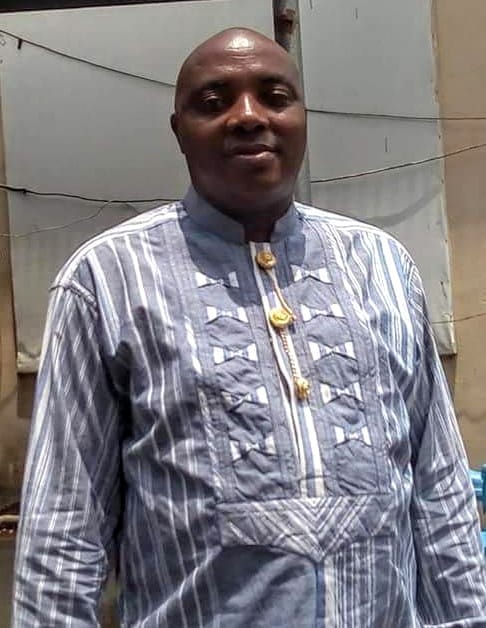
The Chairman, Nigeria Union of Journalist, Rivers State Chapter, Stanley Job Stanley, has described women as great people with great potentials but frowned at the discordant voices of women, especially when it comes to politics. This he said at the inaugural meeting of Stand Up for women Society (SWS) held here in the state penultimate week.
He called on women to start loving themselves irrespective of age and ethnicity, noting that the day women begin to vote for themselves, men would be in serious trouble as women are tops on every list and have all it takes to rule the world.
Re-echoeing the popular saying that “if you educate a woman, you educate a society and nation at large, Job remarked that for the society to change, women must be given opportunities in politics as they are better mangers of resources, meaning that they can better organize the society.
Meanwhile the National President of Standup for Women Society (SWS}, Rivers State Chapter, Barr. Deborah Ijadele-Adetona has used the occasion of the inaugural meeting of the body to call on Nigeria women to standup for themselves, considering the patriarchal nature of the society in which they find themselves. She said that most women are yet to acquire the basic educational qualification needed, as a result that makes them to have inferiority complex, thereby causing them to face all forms of domestic and sexual violence without speaking out.
She explained that women the need to empower and encourage women in the society is the essence for the formation of a non-governmental, apolitical, solely women right organization, under the aegis of Standup for Women Society, which objectives and aims are targeted at the total development of Nigerian Women and society at large, stating that it is willing to promote, update and upgrade women in Nigeria.
Ijadele-Adetona charged women to speak out no matter the situation they find themselves, because as humans they reserve the right to live and be happy as such should speak out, especially when their right is being abused.
According to her: “Women are the engine room of families, as they serve as nurses, teachers, trainers, character builder and molders, preachers, peace promoters, cooks, prayer warrior, as such standup for Women Society as a forum will be bedrock as well as mouth piece for Nigeria Women as it intends to liberate promote and enforce their courses in Nigeria and beyond.
“Women as agents of change is not a new concept, throughout history, women have led movements for change at every level and being an integral part of that change, be it political, economic and social. The story of women being agents of change is very compelling, the tenacity of ordinary women who have transformed themselves, their families and their communities, while battling against great odds are common place, often they were not noted or remembered and it is also these women, who have left mark on global, democracy, development and peace initiatives,” the National President added.
She stressed that the organisation is expected to galvanize support and draw the attention of critical stakeholders in the society to the total development of Nigerian Women, adding that women should be massively involved in policy making and they should also seek full participation in governance at all levels.
Ijadele-Adetona added that it was time for women to play active roles as a forum to liberate and actualize the rights of women as well as fill the missing gap for active grassroots-based forum for women in the community and the nation.
She further emphasized that the strength of the women in nation building cannot be over emphasized, as female gender always tops the list in any programme, population, agricultural, economy, religious, social responsibility, among others, remarking that active voters are women yet they are deprived to lead and play prominent roles in the society.
She noted that the day and year women will drop hate towards their fellow women and join forces to vote for their fellow women to be in power to head sensitive positions, that is the year that everyone in Nigeria would experience the sudden transformation and change that they all have been yearning for.
The SWS National President stated further that the in business, marketing, local manufacturing, among others women are always playing active roles, yet their activities are downplayed, hence the reason why they are always an appendage to men in any position.
She charged all women to join SWS, the women liberation group that is basically out to create the necessary awareness for women as well as to educate women about themselves, noting that being aware of yourself is the first step to understanding yourself which enables you to deal with yourself and others more effectively and at the end translate to a happier and more fulfilled life.
On her part, the Rivers State Chairperson, Liberator Ifeoma Ossai earlier had stating that over the years the plight of women and the girl child which has been an issue bedeviling the society, is the reason why Standup for Women Society has decided to gather women from all spheres of life in order to develop, enlighten as well as empower them with skills that would give them a future devoid of torture and deprivation in the quest for their daily bread.
Ossai added that women can become relevant in the society by occupying key positions in the government, corporate organizations and agencies.
According to her, “SWS, despite her tender age in Rivers State has gathered over 100 women on her Social Network platform and has worked tirelessly to realize the core goal of the organization to partner with corporate bodies, government agencies and other public spirited individuals to bring the vision of adding meaning to the lives of women to success”


By: Susan Serekara-Nwikhana

Continue Reading

Women

How to Tackle Child Rape

Published

on

Child rape is a profound human rights violation that inflicts lasting physical, emotional, and psychological scars on its victims.
Among the most vulnerable groups, girl children face a disproportionate amount of sexual abuse globally, reflecting deep-rooted societal, cultural, and systemic failures.
Despite international laws and local measures aimed at protecting children, rape and sexual violence against girl children remain a pervasive problem in many parts of the world.  The rape of girl children is alarmingly prevalent worldwide.
According to data from the World Health Organization (WHO), one in four girls experiences some form of sexual abuse before the age of 18. This abuse occurs across all socio-economic, cultural, and geographical divides. The underreporting of sexual violence against children, fueled by fear, stigma, and victim-blaming, makes it difficult to grasp the true scale of the problem.
Reports from organizations like UNICEF and Human Rights Watch highlight that in some regions, girl children are specifically targeted due to the belief that they are “pure” or “virgin,” making them more vulnerable to cultural myths that suggest intercourse with a virgin can cure diseases like HIV/AIDS. These deeply harmful beliefs exacerbate the risk for young girls, particularly in countries where educational and legal protections are weak.
A range of factors contributes to the high incidence of rape against girl children, many of which are embedded in patriarchal and misogynistic beliefs. In some cultures, girls are viewed as inferior or subservient to males, making them easy targets for exploitation. The normalization of gender-based violence in some communities means that abuse often goes unnoticed, unreported, or unpunished.
Child marriages, which remain prevalent in some parts of Africa, Asia, and the Middle East, are another contributing factor. When girls are married off as children, they are often exposed to sexual violence under the guise of marital relations. These young brides, who are typically powerless in these situations, often endure repeated sexual abuse from their significantly older husbands.
Additionally, in conflict zones, girl children are disproportionately affected by sexual violence, used as tools of war by armed groups to terrorize communities. Such exploitation results in severe trauma and long-lasting consequences for victims.
Rape and sexual abuse leave devastating effects on a girl child, both physically and mentally. Physically, young girls are not developed enough to handle sexual intercourse, leading to severe injuries, infections, and even death in extreme cases. Many victims also face long-term reproductive health issues, including infertility, sexually transmitted infections (STIs), and complications in future pregnancies.
The psychological toll is equally profound. Victims often suffer from depression, anxiety, post-traumatic stress disorder (PTSD), and other mental health conditions. The stigma associated with sexual violence further isolates them from their families and communities, leaving them vulnerable to further exploitation or abuse.
The educational consequences are also significant. Many victims drop out of school due to the trauma, fear of facing their abusers, or the stigma attached to rape. This creates a cycle of poverty and dependence, further reducing their life chances.
Access to justice for child rape victims is often fraught with challenges. In many countries, laws around sexual violence are outdated, under-enforced, or not well understood. Law enforcement agencies frequently lack the training or resources to handle cases of child sexual abuse appropriately, leading to further victimization during investigations.
In some cases, cultural practices such as “settling” rape cases between families, or forcing victims to marry their rapists, prevent victims from receiving the justice they deserve. This not only robs the victim of agency but perpetuates a culture of impunity where perpetrators feel empowered to commit further acts of violence.
Additionally, the social stigma surrounding rape prevents many girl children from coming forward. Fear of blame, retaliation, or being ostracized by their communities often keeps victims silent, allowing abusers to continue their crimes unchecked.
Internationally, the United Nations Convention on the Rights of the Child (UNCRC) and the Sustainable Development Goals (SDGs) both call for an end to all forms of violence against children, including sexual abuse. Organizations such as UNICEF, Plan International, and Save the Children have been instrumental in raising awareness, supporting survivors, and lobbying for stronger laws and protections.
On a national level, many countries have taken steps to strengthen legal frameworks to protect children from sexual violence. Child protection laws, survivor-centered legal reforms, and harsher penalties for offenders have been introduced in several countries. However, effective implementation remains a challenge in many places due to corruption, weak legal systems, and deep-seated cultural barriers.
To truly address the epidemic of child rape, a multi-faceted approach is needed that tackles the root causes of the problem.
 Education and Empowerment of girl-children can go a long way in preventing rape cases in the society.  Educating girls about their rights, providing them with life skills, and empowering them to speak out against violence are crucial steps in preventing abuse. Equally important is educating boys and men about consent, respect, and gender equality to shift harmful patriarchal norms.
Girls and women need stronger legal protection to escape some the rape cases that occur regularly. Governments must prioritize the implementation of robust child protection laws, ensuring that law enforcement agents are  well-trained and sensitized to handle cases of child rape. Special courts for handling cases involving children, victim support services, and protective measures should be readily available to survivors.
If we have to curb child rape menace, community engagement must be included in the process. Engaging communities to change attitudes toward girl-children and dismantling harmful gender norms is essential. Community leaders, religious figures, and educators can play a pivotal role in shifting mindsets and promoting zero tolerance for violence against children.
Furthermore, there is the need for support for survivours of rape. Comprehensive support systems for survivors are critical for the rest of their lives. These include access to psychological counselling, medical care, legal aid, and safe spaces where victims can heal and rebuild their lives. Schools should also provide supportive environments to help victims continue their education without fear of stigma or discrimination.
 Global Advocacy and Accountability from World Health Organisation (WHO), UNICEF, and other relevant agencies should as a matter of fact continue to create more awareness  and sensitization on the need to save the girl-child.  International organizations and governments must continue to advocate for the protection of children’s rights, ensuring that perpetrators are held accountable. Monitoring mechanisms, transparency in legal proceedings, and collaboration between countries are key to fighting transnational issues like child trafficking for sexual exploitation.
It is worrisome to note in this 21st century, as the world is a global village, fully digitalized, when the girl-children should be allowed to showcase their potentials, instead they are trafficked to do jobs that will harm their lives.
Parents particularly, should have the number of children they can cater for.  They should also pay attention to the ones they have.
Moreso,  the boy-children and the men should be sensitized on the need to stop the menace.
Rape and sexual violence against girl-children is one of the gravest injustices of our time, robbing millions of their childhoods and futures. While progress has been made, there is still much work to be done to protect the most vulnerable among us. It is only through collective action, from governments, communities, families, and international organizations, that we can create a world where girl- children are safe, empowered, and free from violence.
Perpetual  Oluchi Izuegbunam
Continue Reading

Women

Who Is A Classic Woman? 

Published

on

A classic woman is one  who has identified herself in terms of fashion, occupation  or the kind of business she does.
A woman can be classical in the way she entertains her audience in terms of music and movies.  You will discover that some female musicians are identified with the kind of music they sing.
A classical woman is one who always wants to appear trendy.
Generally, classical women are normally identified with the kind of things they are involved in.
There are ladies that want to be identified with wearing of shorts (short trousers) in the public. They use it to showcase their beauty. They want to be identified with such things as they see it as socialisation.
Some wear trousers that are so tight just to showcase all the curves they possess.
Consultant stylists and etiquette experts say some fashions won by some persons are inappropriate because of how and when they are won.
A classic woman is supposed to dress properly.   She should  be able to wear clothes  that will not expose hidden parts of her body. When such occurs,  then it is indecent dressing.
Ladies should be known for two things, classical and beauty.  One can be classic with minimisation.  The minimum woman should go is to look good, decent and presentable.
Some ladies like wearing short skirts but no matter  how short the skirt is,  it should look elegant. The skirt  should not be too short like the mini-skirt.
Dressing or fashion depends on the environment the persons finds herself.  The kind of clothes won to the office may be different from the one won at home. Likewise,  a dress won to a party may be different from the one won too swimming pool.
For one to look classical or decent, body shape should be taken into consideration.
Colours of a particular fashion can make one look odd or nice.  Looking model does not mean that one should go naked or dull.
Don’t wear clothes  that you need to drag from time to time in order not to expose yourself.
Eunice Choko-Kayode
Continue Reading

Women

Emohua Widows Receive Items From Ogbakor Ikwerre California

Published

on

A Non-Governmental Organization, (NGO) Ogbakor Ikwerre,California, DBA, Ikwerre Community Association, California, through it’s outreach projects has donated food items to over 300 Widows in Rumuekpe and Rumuji in Emohua Local Government Area of Rivers State.
Speaking during the handover of the items to the women leaders of the communities in Emohua, yesterday, the team leader of the Ogbakor Ikwerre Community Association in California, Dr Christiana Chukumati, said that the donation is an annual event that has  been on since 2014.
According to her, the NGO is donating the items among the four local government area of Ikwerre adding that this year is for widows in Rumuekpe and Rumuji communities.
“Today is Rumuekpe and Rumuji communities, next we are going to another Ikwerre local government area also.
” The NGO has been carrying on the activities since 2014 within the
Ikwerre communities”, Dr Chukumati said.
She thanked the Royal father of Rumuekpe, His Royal Highness, Golden Amb. Christian Amadi, Eze Chigu and the Royal Highness of Rumuji and Odegu Kingdom, Ohna Christian Okachineke Elechi Newe-Eli (the xv) for receiving them in their communities.
The team leader also promised the Royal Highness that whenever the NGO has any other items for the communities, she we do well to bring it to them.
Receiving the Ogbakor Ikwerre Community Association in California in Rumuekpe, His Royal Highness Golden Christian Amadi, praised the NGO for funding his clan among the communities.
According to the Highness, my community is the only oil producing community in Emohua Local Government Area of Rivers State, adding that his community is feeding the local government area, the state and the nation.
“I thank my children over there in California for remembering the widows in my Kingdom for the food items they brought.
” I pray to God to help them to do also to other Ikwerre communities.
” I want to tell them also that Rumuekpe Kingdom is till undeveloped.
” As you can see the community is nothing to show to the people, I want to beg the Niger Delta Development Commission (NDDC) and the Rivers State government to come to our aid to develop our community. We are underdeveloped”
“God will bless my children over there in California”,  His Royal Highness Amadi prayed.
In her words, the women leader of Rumuekpe community, Comfort Njoku, said that she was happy for the gift items given to them adding that it is not easy to remember the widows.
She explained that in Rumuekpe, the widows have not seen such a gift before and  prayed that is only God that will reward them.
“I want to thank the Ogbakor Ikweree Community Association in California for giving us this items in this festival. We thank God for them and the leader of the group,  Mrs Chukumati.
” What we received today we have not seen it in our community before for widows”, Mrs Njoku stated.
Meanwhile,  in Rumuji community, His Royal Highness, Ohna Christian Okachineke Elechi, said that he lacked words to thank the Ogbakor Ikwerre Community Association in California for the gift to the widows in his communities.
According to him, today is historic in the history of Rumuji community that our children in oversea can remember us, I am very excited and happy over the items.
“I feel very very happy, it is good that our children recognize the widows in my community today.
” I did not know them before but now I  know them, I pray to God Almighty to pay them back for their effort and that they will not lack.
“I pray God to continue to bless them in whatever things they are doing”  he stated.
Earlier, the oldest woman in Rumuji community,  Nletem Josiah, who spoke in her local language interpreted by the woman leader, Agor Leah Onugbom, thanked the Ogbakor Ikwerre Community Association in California for the gift adding that her husband died many years ago that has caused her hardship.
” In my age and these people come and give me these food items,  is only God that will bless them for me.
” This Xmas I will eat and be happy so I want to thank them and that my God, God will bless them for me”,  Mama Josiah said.
By: Kiadum Edookor
Continue Reading

Trending