
Business
Oil Slips Again As New Coronavirus Spreads In UK

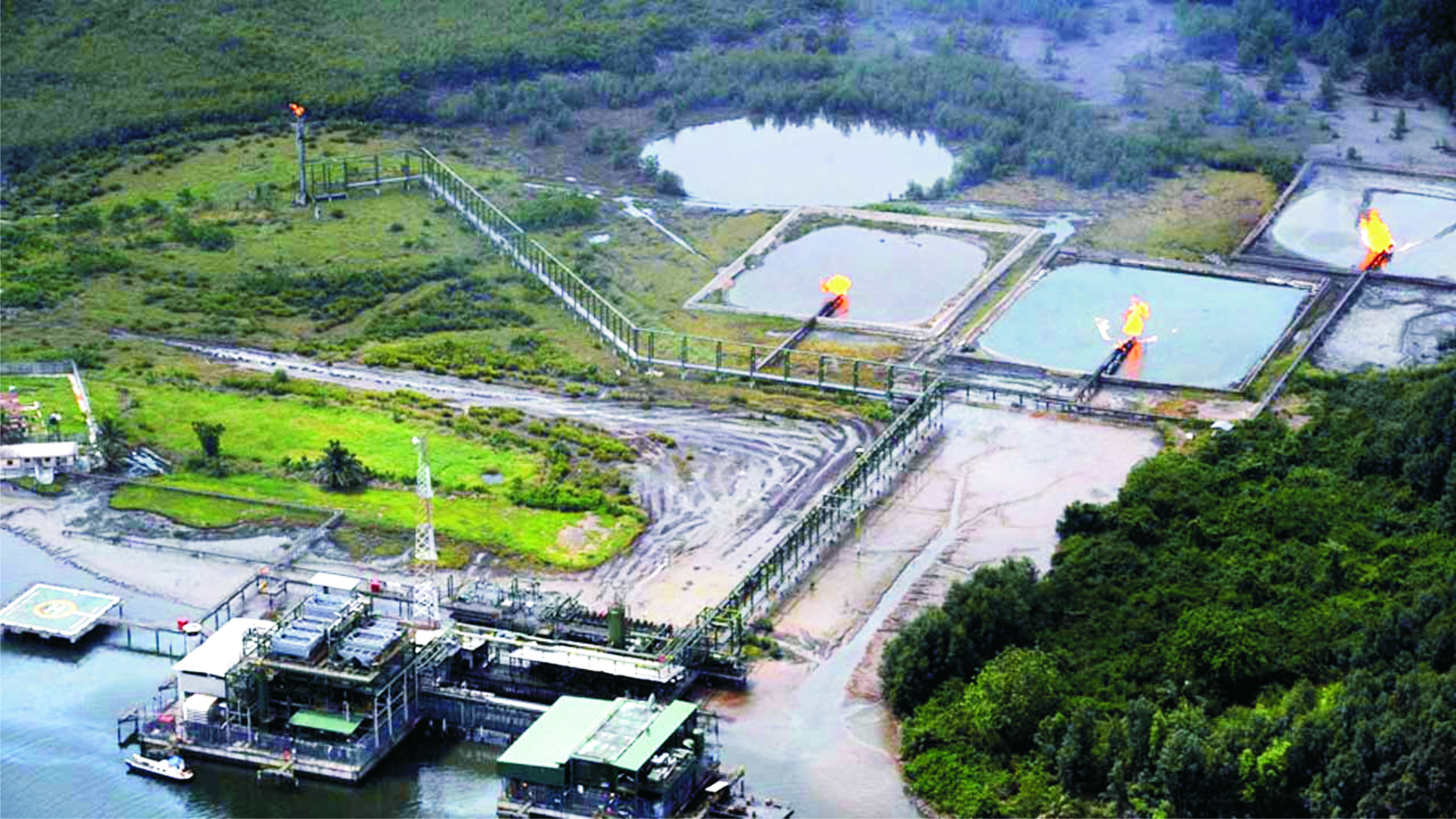
Oil prices fell again yesterday, extending sharp losses overnight, as the rapid spread of a new strain of the novel coronavirus in the United Kingdom prompted several countries to close their borders to British travellers and freight.
The U.S. West Texas Intermediate crude futures dropped 30 cents, or 0.6 per cent, to $47.67 a barrel at 0156 GMT while Brent crude futures fell 26 cents, or 0.5 per cent, to $50.65 a barrel.
Both benchmark contracts slid nearly three per cent on Monday, partly erasing recent strong gains on the back of the rollout of COVID-19 vaccines, seen as key to easing mobility restrictions.
After the UK government warned that a new variant of the virus seemed to be spreading much faster than previous kinds, India, Pakistan, Russia, Jordan and Hong Kong joined European countries in suspending travel from Britain.
Saudi Arabia, Kuwait and Oman also closed their borders completely.
“The nightmare before Christmas scenario has set in, with a combination of the ‘mutant virus’ compounded by Brexit angst,’’ said Stephen Innes, Chief Market Strategist at Axi, referring to doubts over whether UK Prime Minister Boris Johnson can secure a post-Brexit trade deal with the European Union.
Innes said the oil market had been overbought, with long positions outweighing short positions by around 4 to 1, so the selloff was inevitable.
With the U.S. dollar rising as a safe-haven currency, U.S.-dollar priced oil is less attractive for buyers holding other currencies, which added to pressure on oil prices.
“The downside risks are greater than the upside until we better understand how politicians are going to react in 2021 – whether they’re going to lock things down again,’’ Innes said. (Reuters/NAN)


-

 Editorial2 days ago
Domesticate FG’s Exit Benefit Scheme
-

 News2 days ago
RSU Unveils Five-Year Strategic Dev Plan …Calls For Collective Commitment To Institutional Excellence
-

 News2 days ago
DHQ Confirms Deaths Of Terrorists, Soldiers In Borno Attack
-

 News2 days ago
Tinubu Commissions Bayelsa Gas Turbine, Other Projects Today
-
Rivers2 days ago
Dep Gov Seeks Collaboration, Transparency Between RIVCHPP, PHCMB
-
Nation2 days ago
Rumuji Youth Leader Condemns Protest, Disowns Alleged Government Empowerment Claim
-
Business2 days ago
Niger Delta Investment Summit Targets $5bn Inflows, 500,000 Jobs
-

 Featured2 days ago
FG Reaffirms Nigeria’s Stability As US Embassy Suspends Visa Appointments In Abuja Office