
Business
Currency In Circulation Hits N2.2trn

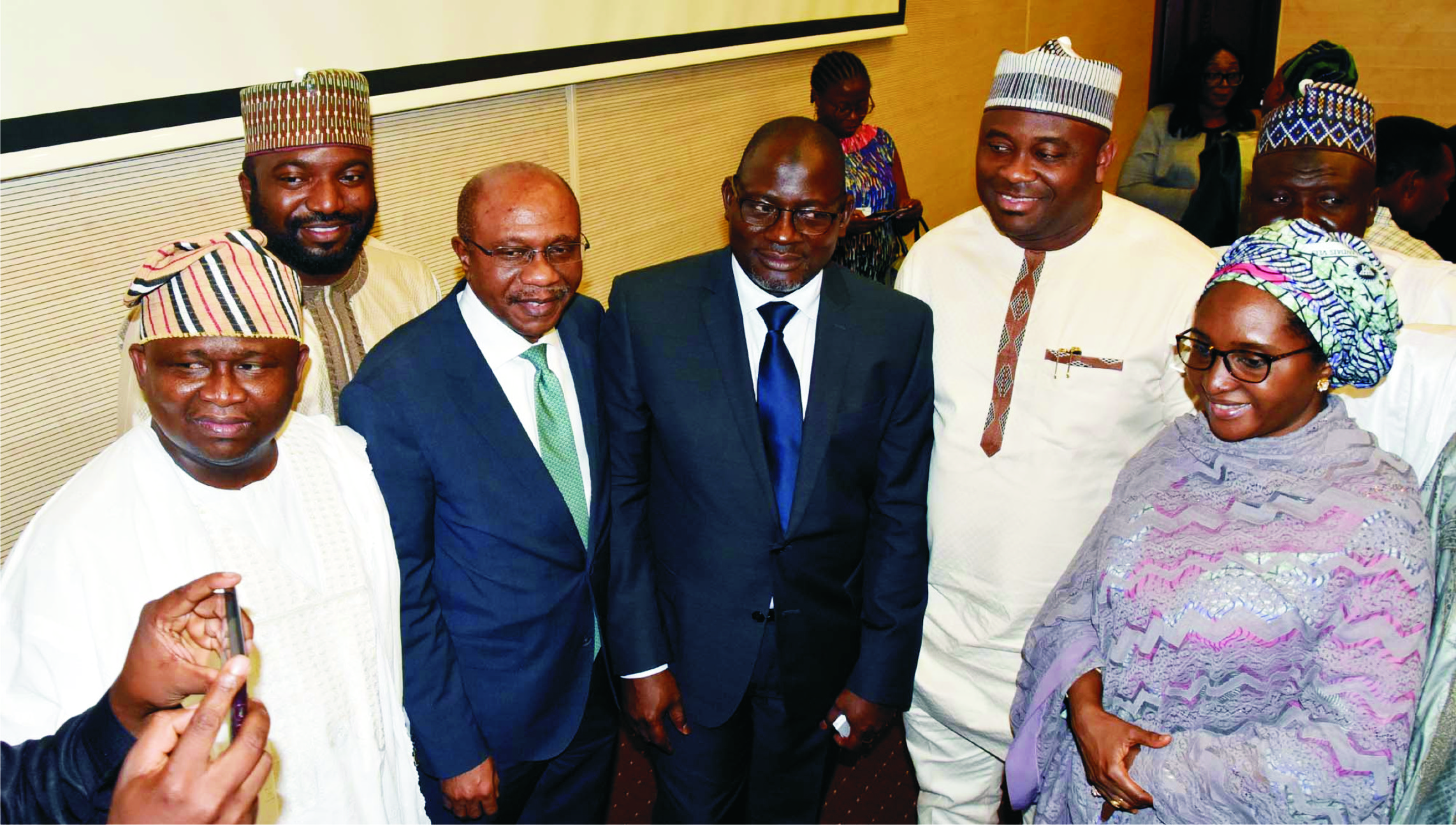
Currency-In-Circulation (CIC) has risen by 9.9 per cent to N2.2 trillion, the Central Bank of Nigeria (CBN) quarterly economic report released on Monday has shown.
The report, which is for the fourth quarter of last year, was in contrast to the decline of 0.4 per cent at the end of the third quarter of the same year.
The report said total deposits at the CBN amounted to N14.35 trillion at the end of last November, indicating an increase of 3.6 per cent above the level at the end of third quarter 2019. The rise was attributed to 14.3 per cent and 3.1 per cent increase in the deposits of the Federal Government and the commercial banks, respectively.
Of the total deposits at the CBN, the shares of the Federal Government, banks and private sector deposits were 47.4 per cent, 35.9 per cent and 16.7 per cent.
Reserve money grew by five per cent to N7.35 trillion at the end of last November, in contrast to the decrease of 13.5 per cent at the end of third quarter of last year. The development reflected the increase in federal government and banks’ deposits with the CBN.
The report said total value of money market assets outstanding in the fourth quarter of last year stood at N12.76 billion, showing an increase of 2.6 per cent, compared with the increase of 2.9 per cent at the end of the third quarter of last year. The development was attributed, largely, to the 3.1 per cent increase in FGN Bonds outstanding during the review quarter.
Federally collected revenue in the fourth quarter of last year fell below both the provisional quarterly budget and receipts in the preceding quarter by 30.8 and 10.6 per cent.
The development, was due, largely, to the shortfalls in receipts from both oil and non-oil revenue components in the review quarter.
Also, provisional Federal Government retained revenue in the review quarter was N938.72 billion, while total estimated expenditure amounted to N2.07 trillion , resulting in an estimated deficit of N1.13 trillion.
Agricultural activities in the review quarter were dominated by the harvest of cash and root crops. In the livestock sub-sector farmers engaged in the fattening of cattle and stocking of poultry in anticipation of the end of the year sales. The end-period headline inflation, on year-on-year basis for the fourth quarter of 2019, stood at 11.98 per cent.
Foreign exchange inflow, through the CBN, rose by 6.1 per cent, while outflow fell by 3.9 per cent, relative to their levels in the third quarter of 2019. Total non- oil export proceeds received by banks fell by 37.8 per cent, compared with the level at the end of third quarter 2019. The average naira exchange rate vis-à- vis the US dollar depreciated at the inter-bank, BDC segment, and the Investors’ and Exporters’ Window, while the average exchange rate at the ‘Investors’ and ‘Exporters’ window, the BDC and the Inter-bank segments of the market were N362.83/$, N359.42/$ and N306.95/$, respectively, in the review quarter.
At $38.07 billion, the gross external reserves fell by 6.4 per cent, compared with the level at the end of third quarter 2019.



Business
NAFDAC Decries Circulation Of Prohibited Food Items In markets …….Orders Vendors’ Immediate Cessation Of Dealings With Products


Importers, market traders, and supermarket operators have therefore, been directed to immediately cease all dealings in these items and to notify their supply chain partners to halt transactions involving prohibited products.
The agency emphasized that failure to comply will attract strict enforcement measures, including seizure and destruction of goods, suspension or revocation of operational licences, and prosecution under relevant laws.
The statement said “The National Agency for Food and Drug Administration and Control (NAFDAC) has raised an alarm over the growing incidence of smuggling, sale, and distribution of regulated food products such as pasta, noodles, sugar, and tomato paste currently found in markets across the country.
“These products are expressly listed on the Federal Government’s Customs Prohibition List and are not permitted for importation”.
NAFDAC also called on other government bodies, including the Nigeria Customs Service, Nigeria Immigration Service(NIS) Standards Organisation of Nigeria (SON), Nigerian Ports Authority (NPA), Nigerian Maritime Administration and Safety Agency (NIMASA), Nigeria Shippers Council, and the Nigeria Agricultural Quarantine Service (NAQS), to collaborate in enforcing the ban on these unsafe products.


