
Politics
The Unfinished Arab Spring

In 2011 when the popular uprising began in Egypt, Tunisia and Syria known as the “Arab Spring, most analysts thought it would spread throughout the Arab World but surprisingly it did not.
While it brought about changes in Tunisia and Egypt, that of Syria later snowballed into a civil war which terrorists such as ISIS capitalised on to create mayhem and mass killings.
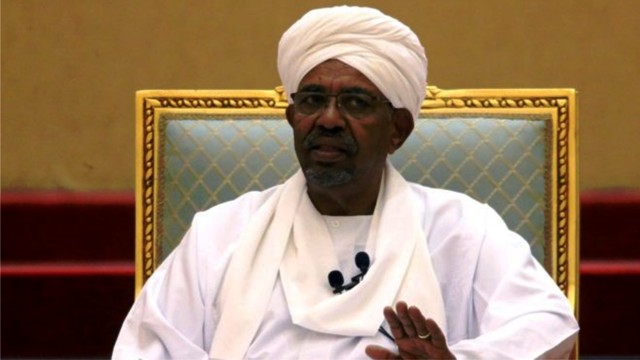
However, nine years after, other Arab sit-tight dictators in Algeria and Sudan have had a taste of what a popular uprising looks like. Both Presidents, Abdulaziz Bourtoflika and Omar Al-Bashir were removed from office following months of protests without gunshots. All what was required were chants, strike actions and street demonstrations against injustice, corruption and an end to dictatorship. In essence, what the people wanted were changes in their economic situation and the restoration of democracy.
In Algeria, Abdulaziz Bouteflika who had already had a stroke and is wheel-chair bound refused every entreaty to step down due to his ill-health and inability to tackle the high unemployment issue affecting the country. To make matters even worse, despite his health condition and at the age of 82, he still wanted to contest for a fifth term in office after ruling the country for 20 years.
Though he is out of office, the protesters are still unrelenting and are calling for the removal from office, the old guard that has been ruling the country since its independence in 1962.
Likewise in Sudan, the protesters are also calling for the removal of all military presence in the proposed transition process. These calls are not without some merit as the aftermath of the Egyptian revolution has shown them that if proper safeguards are not put in place, Sudan or Algeria will end up in the hands of another military dictator who will hijack the revolution to perpetuate himself in power.
In most revolutions, those who topple and kill their opponents are likely to turn against their allies and people with equal vengeance. That’s why the protesters are saying that though some elements in the military were motivated by them to remove the former presidents from office they should handover the transition process to civilians to manage. Despite pleas so far, the protests are still ongoing.
Although the new political change is exciting, but its long term success depends on consistency and perseverance. This is because once there is any lapse in the coordination of the change made so far, the surviving elements in the status quo will re-strategise not only to survive but think of ways to use the system to either infiltrate the opposition movement and utilize the opportunities thus created to perpetuate themselves in power by removing their military toga and don civilian clothes to contest for the presidency as was done in Egypt.
One unique feature in the Sudanses uprising was that for the first time in the country’s history, Muslims had to invite the Christian minority population to join them and work as a team to fight for the restoration of freedom and true democracy.
Already because of the mounting pressure the military in both countries are in a dilemma. While in Algeria the head of the military Gaed Sala said they are looking for options to end the imbroglio as soon as possible, in Sudan all entreaties by the ruling military council to placate the opposition have been rebuffed.
In essence what this means is that there is high level of suspicion by leaders of the uprising that if they relent in their demands they might end up being fed the Egyptian menu… where those who led the uprising ended up behind bars.
What are the lessons that can be learnt from this second phase of the Arab awakening, especially in Africa as Sit-tight dictatorship seems to be on the wane?
Gadaffi is gone, likewise Robert Mugabe, Yahaya Jammeh is no more in office, the remaining presidents who for the last 20 to 30 years have been in power should start thinking of an exist route as to receive a soft landing. Meanwhile, Omar Albashir is now in a maximum prison in Sudan never to enjoy the trappings of power again. Maybe if he reflects over his mistakes, he will realize that his actions to cling on to power would eventually be fruitless as the momentum of the protest which started in December 2018 had no alternative than for him to relinquish power when the situation would have given him the opportunity to negotiate his exit with honour.
Maybe he thought he was a better politician than Hosni Mubarak of Egypt.
One thing every African leader should begin to understand is that they should never take the people they rule for granted and overstay their terms in office. African leaders must as a matter of fact; especially for their own sake avoid being that to be disgraced at their old age, showed respect the constitution of their countries; respect the rule of law and learn to know when to quit office when the ovation is at a high crescendo.
A look at years past saw how presidents who were held in high esteem ended.
Laurent Gbagbo, Blaise compoare, Samuel Doe, Yahaya Jammeh, Mobutu Sese Seko, Idi Amin, Jean Bedel Bakassa, Kwarue Nkrumah, said Barre and Hastings kamuzu Banda. They all ended in disgrace or exile.
Hopeful the level of maturity shown by the protesters in Algeria and Sudan is an indication that popular protests don’t have to be bloody for a change of government as lot does not really, need gunships, civil war or killings. Once a people expresses their feelings as to have a change of government let both the government and the opposition sit down and negotiate on how to move the nation forward. No one individual has the monopoly of wisdom in ruling a country. This is because after being in power for over 20 or 30 years with no tangible development what than can a man in his 80’s offer in a modern society where youth now form the majority of the population.
Though every society has its own unique feature, one common denominator is that people need an infuse of new thoughts, technology and ways of doing things that are in tandem with modern realities. So the days of jackboot democracy are over. The people now have the destiny in their own hands and should not relent in their demand for a true democracy where the freedom to choose who rules is determined by the voters card and not the wishes of a cabal or one man sitting on a throne.
Tonye Ikiroma-Owiye

Politics
Alleged Coup: Protests Rock N’Assembly As Detained Officers’ Children, Wives Demand Justice

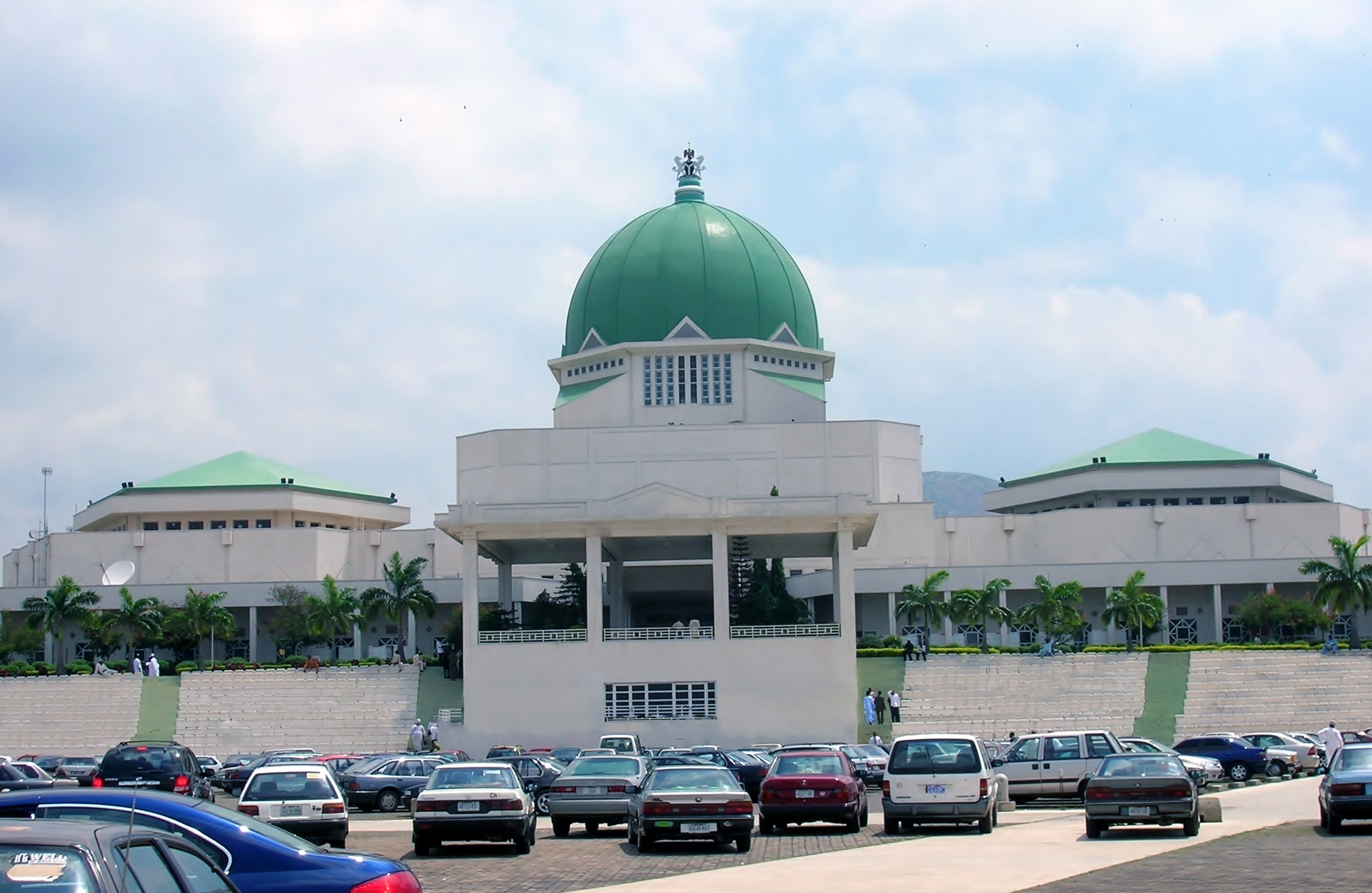
Scores of children and wives of military officers detained over an alleged coup plot yesterday staged a peaceful protest at the National Assembly, demanding a speedy trial and the release of the accused officials.
The protesters who gathered at the entrance of the National Assembly complex, moved in a slow procession while clutching placards with inscriptions such as “Don’t Kill Our Daddies,” “Detention Without Trial is Injustice,” and “Six Months of Torture: Enough Is Enough.”
Amid tears and trembling voices, the children appealed for justice and access to their detained fathers, many of whom they said they had not seen for months.
The appeal was made during a press briefing in Abuja attended by no fewer than 20 wives and several children of the detained officers, including a two-month-old baby.
The families were accompanied by human rights lawyer, Deji Adeyanju and activist Omoyele Sowore.
At the briefing, the families lamented that the officers had been held for over 160 days without trial or contact with their relatives, describing the situation as a violation of their fundamental rights.
Speaking on behalf of the families, Memuna Bashiru said the prolonged detention had thrown their households into uncertainty and emotional distress, noting that while allegations had been widely publicised, families remained in the dark about the fate of their loved ones.
The arrest of the indicted officers was first announced on October 4, 2025, by the then Director of Defense Information, Brigadier General Tukur Gusau, who disclosed that 16 officers were taken into custody for alleged breaches of military regulations and acts of indiscipline.
However, an interim investigation later suggested the existence of a clandestine network of officers, allegedly coordinated by a senior Army officer, which had begun preliminary planning for a coup.
According to the report, the alleged plot involved surveillance of key national assets, including the Presidential Villa, Armed Forces Complex, Niger Barracks in Abuja, and major international airports, with October 25, 2025, cited as the planned date for the operation.
Those reportedly in custody include Brig Gen M. A. Sadiq, Col M. A. Maaji, Lt Col S. Bappah, Lt Col A. A. Hayatu, Lt Col P. Dangnap, Lt Col M. Almakura, Maj A. J. Ibrahim, Maj M. M. Jiddah, Maj M. A. Usman, Maj D. Yusuf, Capt I. Bello, Capt A. A. Yusuf, Lt S. S. Felix, Lt Cdr D. B. Abdullahi, Sqn Ldr S. B. Adamu and Maj I. Dauda.
The alleged plot, according to findings, targeted senior government officials, including President Tinubu and Vice President Kashim Shettima.

In a statement issued yesterday, the party’s National Publicity Secretary, Mr Felix Morka, said the exercise would take place in all wards and designated centres nationwide.
He called on existing members to update their records, while encouraging new entrants to join the party through the digital platform.
“As the electronic membership registration exercise resumes in all wards and designated locations nationwide, we urge existing members to validate their membership while new members are encouraged to register and join the progressive family,” Mr Morka said.
According to him, eligibility for registration is limited to individuals aged 18 and above who possess a valid National Identification Number (NIN).
The party said the initiative is part of efforts to modernise its operations by transitioning to a digital database that would enhance record accuracy and accessibility.
Mr Morka noted that the e-registration would “digitise the party’s membership register, ensure the integrity of records, and enhance efficient access to membership data for planning and management decisions.”
He added that the move is also aimed at promoting internal democracy within the party and strengthening its commitment to democratic innovation.
The APC had previously introduced electronic registration as part of broader reforms to streamline its membership system and improve organisational efficiency.
-
 Editorial3 days ago
Domesticate FG’s Exit Benefit Scheme
-

 News3 days ago
RSU Unveils Five-Year Strategic Dev Plan …Calls For Collective Commitment To Institutional Excellence
-

 News3 days ago
DHQ Confirms Deaths Of Terrorists, Soldiers In Borno Attack
-

 News3 days ago
Tinubu Commissions Bayelsa Gas Turbine, Other Projects Today
-
Business3 days ago
Niger Delta Investment Summit Targets $5bn Inflows, 500,000 Jobs
-
Sports3 days ago
Full Draw For 2026 U-17 AFCON
-
Nation3 days ago
Rumuji Youth Leader Condemns Protest, Disowns Alleged Government Empowerment Claim
-
Rivers3 days ago
Dep Gov Seeks Collaboration, Transparency Between RIVCHPP, PHCMB