
Business
E-Naira Acceptance Faces Poor Mobile Networks, Other Threats

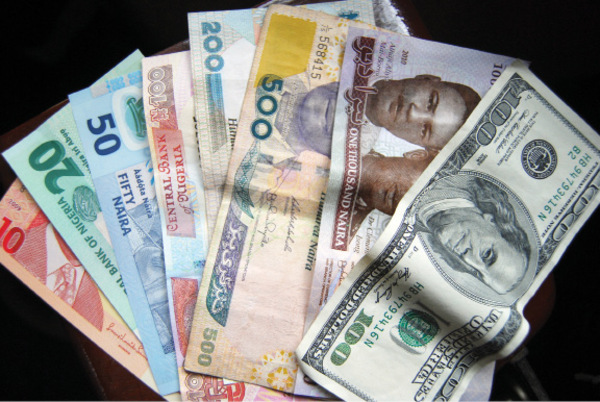
Poor mobile networks as well as limited spread of Internet-enabled devices, among others, are currently threatening the acceptance of eNaira across the country, according to a report by Omaplex Law.
Recall that the Central Bank of Nigeria (CBN) had in October 2021 introduced its digital currency, called the eNaira, saying it hoped to increase financial inclusion and make cross-border payments easier for enterprises.
The CBN disclosed 400,000 accounts were created and over 12,500 transactions were made within a month of launching eNaira.
The report, titled “Omaplex 365: Nigeria 2022 socio-economic and technological outlook”, stated that the lack of quality mobile networks and the limited spread of Internet-enabled devices have been a significant bottleneck in the acceptance of the eNaira.
“This is so because in most rural regions of Nigeria, network penetration is still heavily dependent on 2G and 3G networks, which spells difficulty for eNaira transactions hinged on the internet.
“Again, owing to the indigent status of a significant fraction of the Nigerian populace, owning Internet-enabled devices may be put on hold in favour of more immediate necessities.
“Accordingly, if the primary stated purpose of the creation and launch of eNaira is to promote financial inclusion, the highlighted issues may pose a threat to achieving that goal”, it stated.
The firm, however, commended the CBN’s efforts to overcome some of the existing obstacles.
“In this circumstance, it is highly commendable that the CBN in a bid to overcome these obstacles has elected to deploy the Unstructured Supplementary Service Data approach in 2022 to reach the most remote parts of the country without relying on network penetration or possessing an internet-enabled device before users can access the numerous benefits that the eNaira provides,” it said.



Business
Jonathan, Diri, Others Laud Firm’s Milestone in Bayelsa …Says Project Will Drive Industrialisation, Create Jobs



-

 News2 days ago
RSG Targets Nine Million Residents in Mosquito Net Distribution Campaign
-

 Oil & Energy2 days ago
Aiyedatiwa Signs New Electricity Bill
-

 Oil & Energy2 days ago
NLNG Commissions Research And Innovation Centre In RSU
-

 Maritime2 days ago
Marine Minister Commends President Tinubu On NPERA Bill Assent
-

 News2 days ago
KenPoly Holds Eight Convocations, August 29
-

 News2 days ago
RSG Begins Another Phase of Projects Commissioning Today
-

 News2 days ago
RMAFC Completes Revenue Sharing Review, Proposes New Pay
-

 Maritime2 days ago
NAGAFF Petitions IGP Over Alleged Maritime Police Harassment