
Business
Lockdown: Hotels Close Shop In Port Harcourt

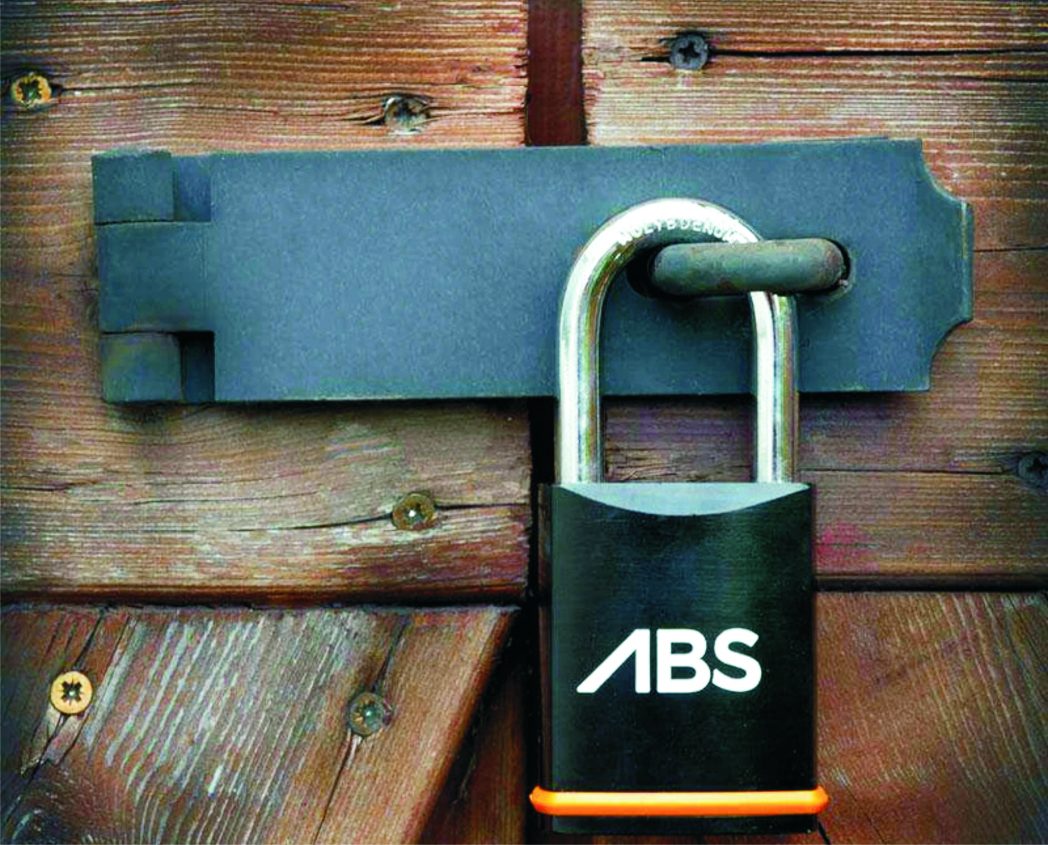
Some hotels in Port Harcourt have closed shop, following the outbreak of Coronavirus which has resulted in lockdown in Rivers State.
Our correspondents who went round some hotels in Port Harcourt, reported that many hotels were under lock and key.
The outbreak of COVID-19 in the state had resulted in closure of markets, schools, drinking joints, air traffic as well as the state borders by the state government.
Echelon Height Hotel on Elekahia Road, which used to be a beehive of activities was locked with only security men seen manning the entrance.
Many other hotels in the city were also not open for business, while the usual hustle and bustle around them had vanished.
Also, the ever-busy Presidential Hotel, which used to play host to different categories of guests and events was enveloped with unusual calm, as no activity was taking place there.
The Tide also observes that the few hotels, which opened for business, witnessed low patronage, as their bars and swimming pools were without customers.
A Port Harcourt-based economist, Mr Ugochukwu Nyenke said that the outbreak of COVID-19 had been taking its toll on the hotel business in the state capital.
According to him, the closure of borders and the ban on inter-state movement were negative signals to the hospitality industry.
“The implication is that people will not come to the city, while those in the city have remained in their homes. And so, people will hardly need accommodation in any hotel.
“The clubs and bars are places that require close contacts, and this is really not an auspicious time for such businesses to boom,” he said.



Business
Jonathan, Diri, Others Laud Firm’s Milestone in Bayelsa …Says Project Will Drive Industrialisation, Create Jobs



-

 News3 days ago
RSG Targets Nine Million Residents in Mosquito Net Distribution Campaign
-

 Oil & Energy3 days ago
Aiyedatiwa Signs New Electricity Bill
-

 Maritime3 days ago
Marine Minister Commends President Tinubu On NPERA Bill Assent
-

 Oil & Energy3 days ago
NLNG Commissions Research And Innovation Centre In RSU
-

 News3 days ago
KenPoly Holds Eight Convocations, August 29
-

 News3 days ago
RSG Begins Another Phase of Projects Commissioning Today
-

 News3 days ago
RMAFC Completes Revenue Sharing Review, Proposes New Pay
-

 Maritime3 days ago
NAGAFF Petitions IGP Over Alleged Maritime Police Harassment