
Business
Govt To Establish Robust ERGP Delivery, Monitoring Mechanism

The Federal Government says it will establish robust delivery and monitoring mechanism to ensure implementation of the strategies outlined in the Economic Recovery and Growth Plan (ERGP).
The plan is contained in a document on “ERGP 2017-2020” obtained at the Stakeholders’ Engagement on the ERGP implementation Roadmap in Abuja, yesterday.
ERGP has projected that Nigeria would make significant progress to achieve structural economic change with a more diversified and inclusive economy in five key areas by 2020.
The key areas are stable macro-economic environment, agricultural transformation, food security, sufficiency in energy and improved transportation infrastructure.
The Tide source reports that the Minister of Budget and National Planning, Sen. Udoma Udo Udoma, at the meeting, engaged the stakeholders on effective implementation of the plan.
The document stated that the ministry would be responsible for the coordination and monitoring of the plan.
“The Federal Government is establishing a special Delivery Unit in the Presidency.
“This unit will focus on the top execution priorities, and will monitor the implementation of the critical initiatives closely.
“It will focus on evaluating the progress against targets and milestones and provide early warning signals of potential risks.
“The unit will also work closely with Ministries, Departments Agencies (MDAs) to articulate actionable measures to be taken against any identified constraints,’’ it stated.
The document stated that the unit would be staffed by highly skilled and respected individuals mandated to drive implementation.
It stated that the ministry would, however, remain responsible for the overall coordination of all activities within the plan.
It further stated that the plan would build up a robust monitoring and evaluation capacity, to successfully carry out the activity.
“Quarterly progress reports will be presented to the President and the Federal Executive Council.’’
On monitoring strategies, the document said that minsters of relevant ministries would drive delivery of the ERGP strategies under their purview in collaboration with other agencies at the national and sub national levels.
It stated that they would be encouraged to establish dedicated mechanism like project management offices, to monitor and track progress effectively and transparently.
“In line with National Monitoring and Evaluation Policy Framework, they will also be responsible for monitoring and evaluating all ERGP strategies under their purview in conjunction with the ministry.
“States and local governments will play a critical role in delivering many of the strategies so they are encouraged to develop their own economic and growth plans in line with the ERGP.
“The National Economic Council will review the progress of state activities quarterly.’’
Meanwhile, Udoma at the meeting, told the stakeholders that the government was determined to restore the country’s growth, make it inclusive and sustain the growth on long term.
The minister said that the plan would set out what the country needed to do to achieve the feat.
“The ERGP indicates that to achieve sustained growth, “we must continue our current initiatives aimed at driving fiscal stimulus through a package of spending to stimulate private consumption and investments by businesses”.
“This is why our 2017 Budget proposal has dedicated 30 per cent of to capital expenditure.
“We intend to achieve a minimum capital expenditure allocation of 30 per cent in subsequent budgets throughout the life of the Plan,’’ he said.



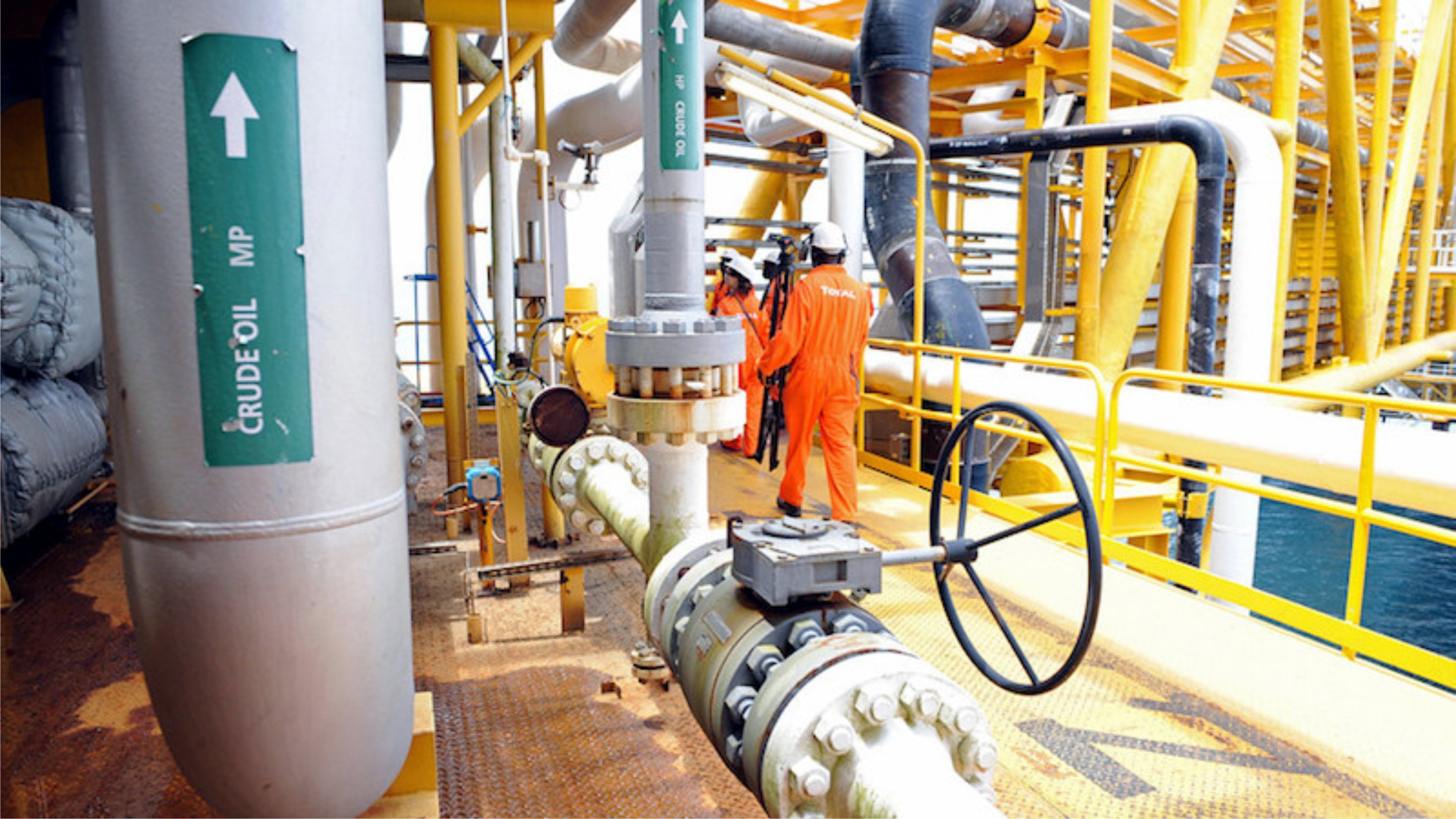
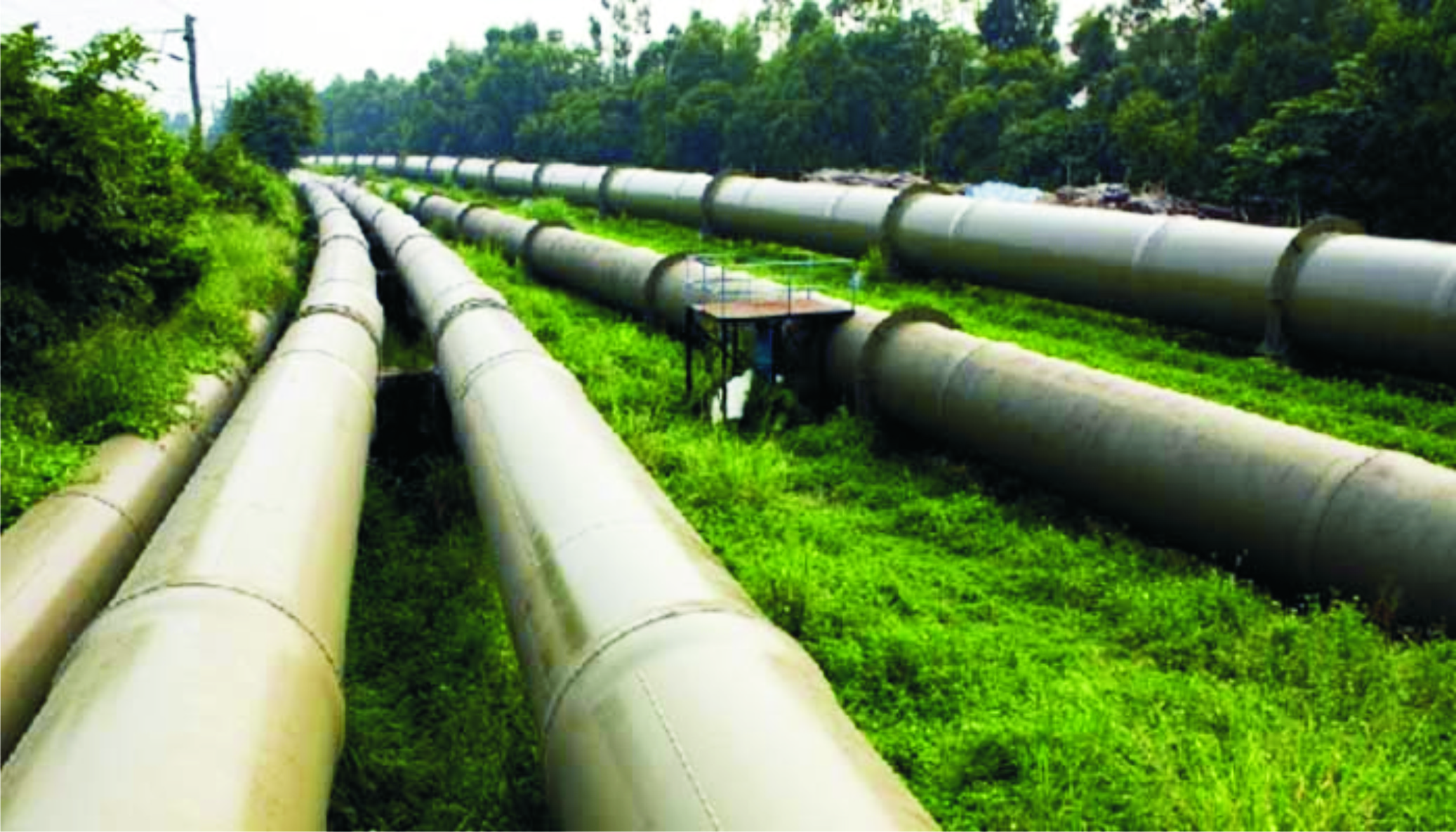
This figure is against the already released 40 slots by the company.
Consequently, the youths have moved to convene a national congress of youths to address issues relating to the oil exploration, which has sparked palpable divisions in the area.
Speaking during the inauguration of the Planning Committee for the Congress, in PortHarcourt, at the weekend, the President-General of OYF, Worldwide, Engr. Legborsi Yamaabana, described the congress as urgent, and targetted at addressing all issues arising from the planned oil resumption.
He said “The Ogoni nation stands at a critical crossroads in its history. We acknowledge the renewed political attention of the Federal Government of Nigeria under the leadership of His Excellency, President Bola Ahmed Tinubu (GCFR), particularly regarding the proposed resumption of oil and gas exploration in Ogoniland after more than three decades of suspension.
“While we recognize this development as a significant national conversation, we emphasize that any engagement concerning Ogoniland must be anchored on the principles of environmental justice, equitable benefit-sharing, and the protection of the dignity, rights, and future of the Ogoni people especially our youth, who remain the custodians of tomorrow.
“The Ogoni struggle is not merely historical; it is living, evolving, and central to the future of sustainable development in the Niger Delta and Nigeria at large.”
He called for calm over the 40 job opportunity given to the area by the NNPCL, insisting that such allocation was insufficient compared to the contribution of Ogoni to the economy.
Yamaabana rather requested that NNPCL, as a matter of importance, give 500 job slots to youths of the area,
In the interim, the leadership of OYF Worldwide has observed the unnecessary tension and uproar surrounding the reported 40 slots of employment opportunity allocated to Ogoni youths in NNPCL and its subsidiaries, as part of Federal Government confidence-building measure toward the resumption of oil and gas activities in Ogoniland.
“We strongly appeal to all Ogoni political, traditional, and community leaders to sheath their swords, maintain calm, and refrain from unnecessary squabbles over crumbs.
“Without preempting the sovereign deliberations of the upcoming Congress, let it be noted that Ogoni youth will not settle for tokenism.
“At the upcoming Congress, we shall formally demand a minimum of 500 direct employment opportunities within the Nigerian National Petroleum Company Limited (NNPCL) and its subsidiaries for qualified Ogoni youths, who have been economically sidelined and left inactive throughout this 33-year stalemate.”
-
Sports3 hours ago
Nnadozie, Osimhen Lead Highest-Rated Nigerian Players
-
 Oil & Energy2 hours ago
NCDMB, Renaissance, Lee, Engage 24 Youths On Oil, Gas Human Capital Dev’t Training
-
Rivers37 minutes ago
Philanthropist Cautions Youths Against Ignoble Acts Donates Building To Musician
-
Education3 hours ago
FG Pledges Education Overhaul, Says Debate Builds Democratic Citizenship At 2026 Democracy Day Championship
-

 Oil & Energy2 hours ago
PENGASSAN Tasks FG On Stable Policies, Faster Approvals To Boost Oil, Gas Investment
-
Rivers37 minutes ago
IAUE Inaugurates Centre For AI, Launches Book On Digitisation Milestone
-
Education3 hours ago
Rector Commends RSG Over Commissioning of 3 Projects at Captain Elechi Amadi Polytechnic
-
 Oil & Energy2 hours ago
FG Pledges Stronger Support For Oil, Gas Training