
Entertainment
Revisiting Nollywood’s Dogged Strides To Success

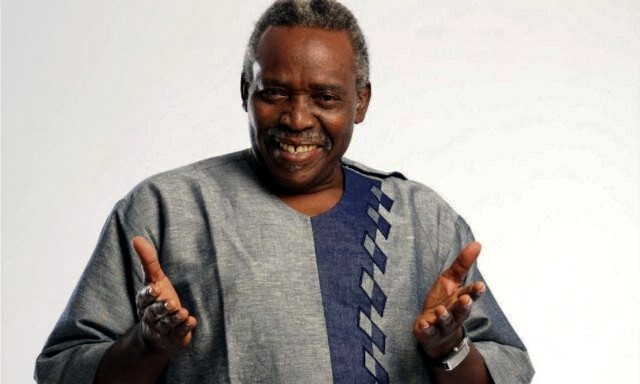
From the 1957 “Fincho,” 1980 Kadara, 1992 Living in Bondage, 2002 ‘Keeping in Faith’ to the 2014 October 1, the Nigerian film industry has come a longway. There is a winsome era of film making which most Nigerians are oblivious to. An era that has nothing to do with the classic 1992 movie, “Living in Bondage or recent ‘Trip to Jamaica.’
This captivating era dates as far back as 1926 when the earliest feature film was made in Nigeria and featured Nigerian actors in a speaking role. In 1957 Fincho became the first Nigerian film to be shot in colour. Following Nigeria’s Independence in 1960, more cinema houses were established in 1972, the Indigenisation Decree by General Yakubu Gowon made possible the transfer of ownership of abut 300 cinemas from their foreign owners to Nigerians, resulting in more Nigerians actively participating in the Nigerian film growth.
In 1984, ‘Papa Ajasco’ by Wale Adenuga became the first blockbuster, grossing an estimate of 61,000 naira in three days. In 1985, “Mosebolatan” by Moses Olaiya grossed 107,000 naira in five days. Also in the 80s film makers like Adeyemi Afolayan produced classics such as ‘Kadara’ (Destiny), ‘Taxi Driver’ among others.
In 2016, during Ade Love’s 20th Remembrance Celebration his movie Kadara was screened to a number of Nigerians. Watching the classic movie, it is impossible to forget the artist imagery created by Afolayan as far back as 1980 more than the narrative structure, it was the images shots and the production quality that took the older generation through an enlightening journey.
The theatrical and cinematic efforts of the likes of Hubert Ogunde, Taiwo Ajayi Lycett, Olu Jacobs, Tunde Kelani, Adeyemi Afolayan, Ladi Ladebo, Moses Olaiya, Adebayo Salami, Sadiq Daba, Jide Kosoko, Afolabi Adesanya among others played a pivotal role in shaping the film industry which is now popularly called Nollywood.
In 1992, the release of the classic movie living in Bondage kicked off a new era in the Nigerian film industry. This era produced movies that were still referred to as classics, it produced actors that were and are still household names in Nigeria. In the 1990s the Nigerian cinema culture faced a major decline as the home video market boomed. Alaba market became a vital commercial domain becoming the hub of video distribution and finally the centre of piracy in Nigeria.
The 90s birthed movies like Violated, Silent Night, Domitilla, Nneka the Pretty Serpent, Hostages, Blood Money, Out of Bounds and more. Nigerians were introduced to actors who made an impact and are still relevant in the industry such as Genevieve Nnaji, Bimbo Manuel, Eucharia Anunobi, Tony Umez, Saint Obi, Ramsey Noah, Rita Dominic, Kate Henshaw, Emeka Ike, Stephanie Linus, Liz Benson, Pete Edochie, Kenneth Okonkwo, Kanayo O Kanayo, Richard Mofe Damijo, OmotolA Jolade Ekeinde, Bob Manuel Udokwu, Funke Akindele, Bimbo Akintola, Joke Silva and Francis Duru among others.
In the mid 2000s, the home video era experienced a major decline with factors such as piracy and rental shops playing a major role. However in 2004 a new cinema era began with the launch of a series of modern cinema houses by the Silverbird group. The first new wave film to be shown at a modern cinema was Kunle Afolayan’s 2006 “Irapada” which were screened at the Silverbird Gallery Lagos. Ever since then high and small budget movies like Ije, Surulere, The Figurine, The CEO, 93 days, Half of a Yellow Sun, the Meeting, October 1, The Arbitration, etc were screened at various cinemas in Nigeria.
Since the launch of Silverbird Cinemas, new Cinemas like Ozone, Film House and Genesis Deluxe have been launched and are playing important roles in the evolution of the Nigerian film industry. In the 2000s, the industry started witnessing the arrival of new actors, including Nse Ikpe Etim, Majid Michel, Yvonne Nelson, Sudan Peters, Ini Edo, Mike Ezuruonye, Uche Jumbo, Toyin Aimakhu, Mercy Johnson, Jim Iyke, Grace Amah, Desmond Elliot, Chike Ike, Chioma Chukwuka, Queen Nwokoye, Omoni Oboli, among others.
Currently in the 2010s. The Nigerian film Industry has grown and seen the arrival of a new set of actors including Adesua Etomi, Chacha Eke, Kiki Omehi, O. C. Ukeje, Blossom Chukwujekwu, Somkele Idhalama, Beverly Naya, Daniel K. Daniel, Deyemi Okanlawon, Linda Ejiofor, Bayray McNwizu, Kunle Remi, Okey Uzoeshi, Uzor Osimkpa, Tomi Odunsi, Osas Ighodaro, Rahama Sadau and Kemi Lala Akindoju among others.
In recent years, the Nigerian film industry has gone from being just Nollywood to being divided along regional and ethnic line; thus the distinct film industries like Kannywood, Callywood and the Yoruba film industry. Through the years of the industry’s evolution, segregatory terms such as New Nollywood/Cinema movies, Asaba Movies Lactors and Old Nollywood became popular. One major difference between Asaba and new Nollywood movies is the art. Most cinema movies have the perfect blending of cinematic style, technicality, beauty and storytelling.
However the cinema is considered a luxury thus their availability to the mass audience is limited due to the limited availability of these cinema productions. The popularity of ‘Asaba movies’ is constantly on the rise and readily available for mass consumption at a cheaper rate. Its 2017 and the advancement in sound technology, storytelling, technological special effects are proofs that Nollywood have evolved.
The current era has seen the success of various genres including horror, comedy action, thriller and romantic drama.
From conventional movie plots, the Nigerian film industry has moved to experimental and innovative films. The Nigerian film industry has become an instrinsic part of the global film sector. Currently the largest film industry in Africa and producing more films than Hollywood, Nollywood has evolved into the industry with reputable film festivals such as African International Film Festival, Lights Camera Africa, Abuja International Film Festival, Eko International Film Festival, among others.
Nigerian films are also screened at International film festivals such as the Cannes film festival, Toronto film festival among others. The Industry has become more profitable with movies like “The Wedding Party” grossing over 405 million naira in just two months and a Trip to Jamaica” earning a Guinness Book of World record spot for its box office success. The industry has also created quality TV series such as ‘Hush,’ ‘Sons of Caliphate,’ ‘the Governor’ etc. Over the years web platforms like Iroko TV, Ibaka TV and CIX TV that provide paid for Nigeria films in demand have become affordable.
Pay TV entertainment platforms like Africa Magic have also invested in the Nigerian film industry, creating shows and award platforms that further projects the industry in good light.
There are days when disappointing movies like A Trip to Jamaica, Gold Digging, Bloggers Wife, Keeping my Man and Three Wise men find their ways to Nigerian Cinemas. There are days when film makers decide to create African adaptations of foreign series instead of our local stories in those days, Nollywood disappoints thousands of its followers. But despite all of its disappointing moments the Nigerian film industry is one that has evolved and is still evolving.
-Source: Pulse.ng




The actress reacted after Yul appeared on The Honest Bunch Podcast, where he made comments that many listeners linked to his former marriage.
During the interview, Yul hinted that certain things happened while he and May were still married and suggested those moments contributed to the decisions he later made.
The Tide Entertainment reports that Yul hints that certain things happened while he and May were still married and suggests those moments contributed to the decisions he later made.
In the interview, the controversial actor said he had accepted being seen as the villain in the story.
He also stated that, despite everything, he genuinely wished May well and wanted her to prosper because she remains the mother of his children.
Yul Edochie finally shares last moments with late son three years after his tragic death
But while saying that, Yul also hinted that there were incidents in their marriage he had chosen not to discuss publicly.
According to him, he was “too much of a man” to come online and break down over personal matters.
Reacting to the interview, Sarah, in a post on her Instagram story, pointed out what she described as irony in Yul’s words—saying he wished May well while also making statements that could create doubt in people’s minds.
According to her, if he truly meant well for his former wife, there was no reason to hint at hidden issues and leave people guessing.
“You wish her well, but you granted Podcast the power to sow doubt in people’s minds by saying she did something that led you to do what you did, but you won’t say it,” she said.
“Oga, you’re just pained that she’s doing well!”
Sarah also questioned the purpose of the interview, asking if jealousy may have played a role.
Yul Edochie recounts final moments with late son.
The actor recalled that his son came into his room early in the morning before leaving for school.
According to him, they spent time talking, laughing, and joking in what felt like a typical father-son interaction.
Yul Edochie reacts to crashed marriage
The Tide Entertainment had reported that Yul Edochie had continued to speak about his ex-wife as he appeared on the Honest Bunch Podcast.
He shared part of what happened between them and all the things he wished for her while speaking about his new wife.
The actor noted that he and his ex-wife know what happened that led to the dissolution of their union.

Nigerian entrepreneur and socialite, Pascal Chibuike Okechukwu, also known as Cubana Chief Priest, has opened up on his fallout with singer Burna Boy, alleging that the music star publicly attacked him because of his close relationship with Davido.
Speaking during an interview on The Beat 99.9 FM on Wednesday, Cubana Chief Priest said his journey to success began from apprenticeship and years of hard work, adding that fame and financial growth often attract envy and criticism.
“Success comes with a lot of hate. I started my journey from apprenticeship and service and I learnt so much about growth and perseverance. When you start becoming successful, you understand how people treat you.
“I was on my own and Burna Boy came for me, went on his big platform and started tweeting things that are not genuine, things that are not possible, things that have not existed and the attack was straight to my wealth.
“So he wanted to make people look at my wealth, disrespect my wealth, I felt bad and that happened because of my relationship with Davido,” he said.
He further stated that Davido has consistently supported his businesses and personal projects.
“David is always there for me. He opened all my nightclubs, restaurants, everything. He always shows up to support me.
“He’s investing in clubs in Lagos, and I’m making music to prove a point that I can,” he added.

Nollywood Actor, Alexx Ekubo’s family has officially announced the funeral arrangements for the late actor, describing him as a man whose life was filled with love, faith, generosity and compassion.
The Tide Entertainment had earlier reported that the Nollywood actor passed away after suffering from kidney cancer.
The Ekubo-Okwaraeke family announced the funeral arrangements in a statement released via the actor’s social media handle.
The statement read: “Forever in Our Hearts.
“With profound sorrow, yet gratitude to God for a life so beautifully lived and deeply impactful, we officially announce the funeral arrangements of our beloved husband, son, brother, friend, and colleague, Alexx Ekubo-Okwaraeke
“The overwhelming outpouring of love, prayers, messages, visits, calls, support, and strength shown to the family during this painful period has been truly humbling. Words cannot fully express our gratitude.
“Alexx was deeply loved, and your kindness continues to remind us that his light, compassion, faith, and impact on so many lives will never be forgotten.
“Though his passing came far too soon, Alexx lived a life marked by love, warmth, generosity, laughter, and an unwavering devotion to God and the people he cherished. His presence filled rooms, lifted hearts, and created memories that will remain with us forever.
“We warmly invite family, friends, colleagues, fans, and well wishers to join us as we honor and celebrate his beautiful life, enduring legacy, and the precious memories he gave us all.
“SERVICE OF SONGS
Date: Wednesday, 10th June 2026
Venue: The Monarch Event Center, Lekki, Lagos Time: 4:00 PM – 6:00 PM
Dress Code: White
“WAKE KEEP
Date: Wednesday, 17th June 2026
Venue: 7 Ekubo-Okwaraeke Avenue, Aziukwukwa, Ujari Village, Arochukwu, Abia State
“FUNERAL SERVICE
Date: Thursday, 18th June 2026
Venue: Mary Slessor School, Amanagwu Village, Arochukwu, Abia State
“INTERMENT
Date: Thursday, 18th June 2026
Venue: 7 Ekubo-Okwaraeke Avenue, Aziukwukwa, Ujari Village, Arochukwu, Abia State
“RECEPTION
Reception to follow immediately after the interment at Mary Slessor School, Amanagwu Village, Arochukwu, Abia State.
Dress Code: White
“Please continue to keep Alexx, his wife, and the entire family in your prayers during this difficult time.”
-

 News4 days ago
RSG Targets Nine Million Residents in Mosquito Net Distribution Campaign
-

 Oil & Energy4 days ago
Aiyedatiwa Signs New Electricity Bill
-

 Maritime4 days ago
Marine Minister Commends President Tinubu On NPERA Bill Assent
-

 Oil & Energy4 days ago
NLNG Commissions Research And Innovation Centre In RSU
-

 News4 days ago
KenPoly Holds Eight Convocations, August 29
-

 News4 days ago
RSG Begins Another Phase of Projects Commissioning Today
-

 News4 days ago
RMAFC Completes Revenue Sharing Review, Proposes New Pay
-

 Maritime4 days ago
NAGAFF Petitions IGP Over Alleged Maritime Police Harassment