
Business
Aviation Fuel: Chidoka Meets Major Marketers

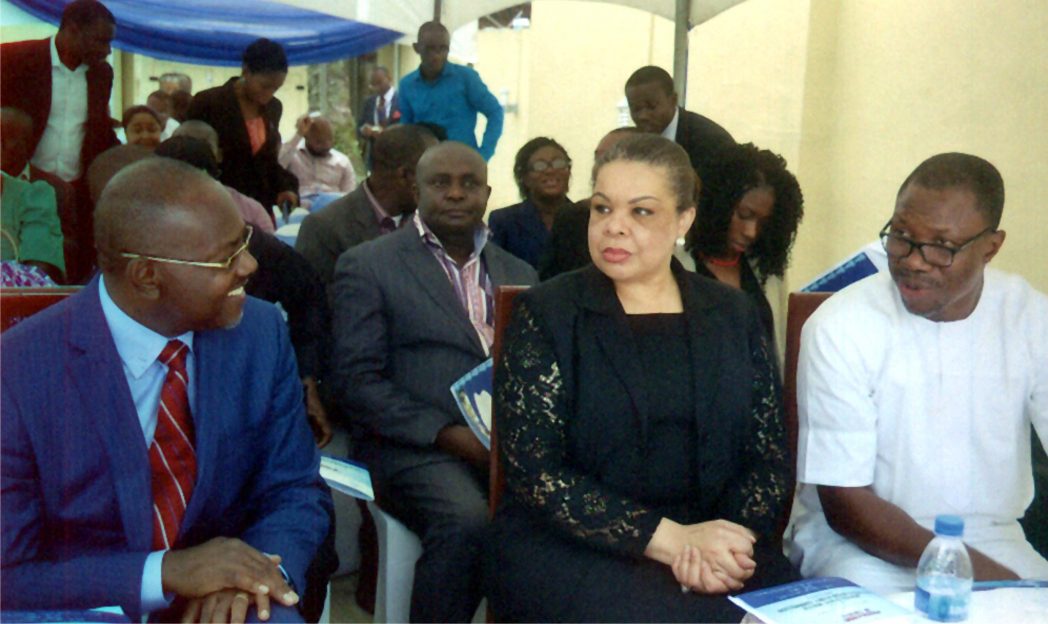
Commissioner for Water Resources and Rural Development, Hon Patricia Simon-Hart, (2nd right) listening to the Director General, Rivers State Water Services Regulatory Commissioner (RSWSRC), Mr Chris Obasiolu (left) representative of the Governor of the State and Commissioner for Budget and Economic Planning, Hon Gogo Charles (right) at official flag off of the RSWSRC in Port Harcourt recently. Photo: Chris Monyanaga
The Minister of Aviation, Mr Osita Chidoka, met with the officials of the Major Marketers Association of Nigeria (MOMAN) yesterday in Abuja in an effort to ensure the availability of aviation fuel.
Chidoka said the objective of the meeting was to discuss issues concerning the aviation industry, review them and agree on possible ways to keep the industry alive.
While observing that aviation fuel was the blood of the industry, the minister stressed the need to bring stakeholders together to harmonise positions on how to ensure continuous supply of the product.
According to the minister, to keep the blood flowing, all parts of the value chain must be brought together harmoniously.
“As you all know, fuel is a major component of the aviation industry and in terms of cost, it is one of the big projects in the industry and how, when and where it is delivered is of great importance to the industry.
“So, I am happy we are here; we will be willing to look at issues together, review them and also come to an agreement on the best possible means of making sure that the industry is kept alive because the blood of the industry is actually the fuel.”
Chidoka expressed hope that the meeting would be the beginning of interactions between the ministry and MOMAN towards ensuring harmonious relationship in the operation of the aviation sector.
The Tide source reports that after the briefing, the Minister commenced the closed-door meeting with the MOMAN delegation led by its Executive Secretary, Mr Obafemi Olawore.



Business
Jonathan, Diri, Others Laud Firm’s Milestone in Bayelsa …Says Project Will Drive Industrialisation, Create Jobs



-

 News3 days ago
RSG Targets Nine Million Residents in Mosquito Net Distribution Campaign
-

 Oil & Energy3 days ago
Aiyedatiwa Signs New Electricity Bill
-

 Maritime3 days ago
Marine Minister Commends President Tinubu On NPERA Bill Assent
-

 Oil & Energy3 days ago
NLNG Commissions Research And Innovation Centre In RSU
-

 News3 days ago
KenPoly Holds Eight Convocations, August 29
-

 News3 days ago
RSG Begins Another Phase of Projects Commissioning Today
-

 News3 days ago
RMAFC Completes Revenue Sharing Review, Proposes New Pay
-

 Maritime3 days ago
NAGAFF Petitions IGP Over Alleged Maritime Police Harassment