
Business
Nigeria’s Consumer Inflation Rises

Nigeria’s consumer inflation rose to its highest in four months in November as the impact of the country’s worst flooding in 50 years pushed up the cost of food, data showed on Monday.
Headline inflation quickened to 12.3 percent year-on-year in November, from 11.7 percent in October and the highest since July, the National Bureau of Statistics (NBS) said.
Food inflation, the biggest contributor to the consumer index, rose to 11.6 percent year-on-year in November, from 11.1 percent in October.
“Higher food prices continue to reflect the impact of recent floods on the production of farm produce, (and the) resulting difficulty of moving food products to markets across the country,” the NBS said in a report.
Nigeria’s worst flooding in at least half a decade between July and mid-October killed 363 people and displaced 2.1 million, the national emergency agency said.
Core inflation, which excludes volatile agriculture items, jumped to 13.6 percent year-on-year in November, from 12.4 percent in October. The central bank closely watches the core index when making interest rate decisions.
“Increases in the core index was as a result of … higher housing, electricity, gas (prices) … in particular rent prices, increased liquid fuel prices such as kerosene … air transportation costs, and clothing prices,” the NBS said.
Nigeria’s central bank kept interest rates on hold at 12 percent last month for the seventh time in a row, resisting calls to reduce lending costs because of concerns over inflation.



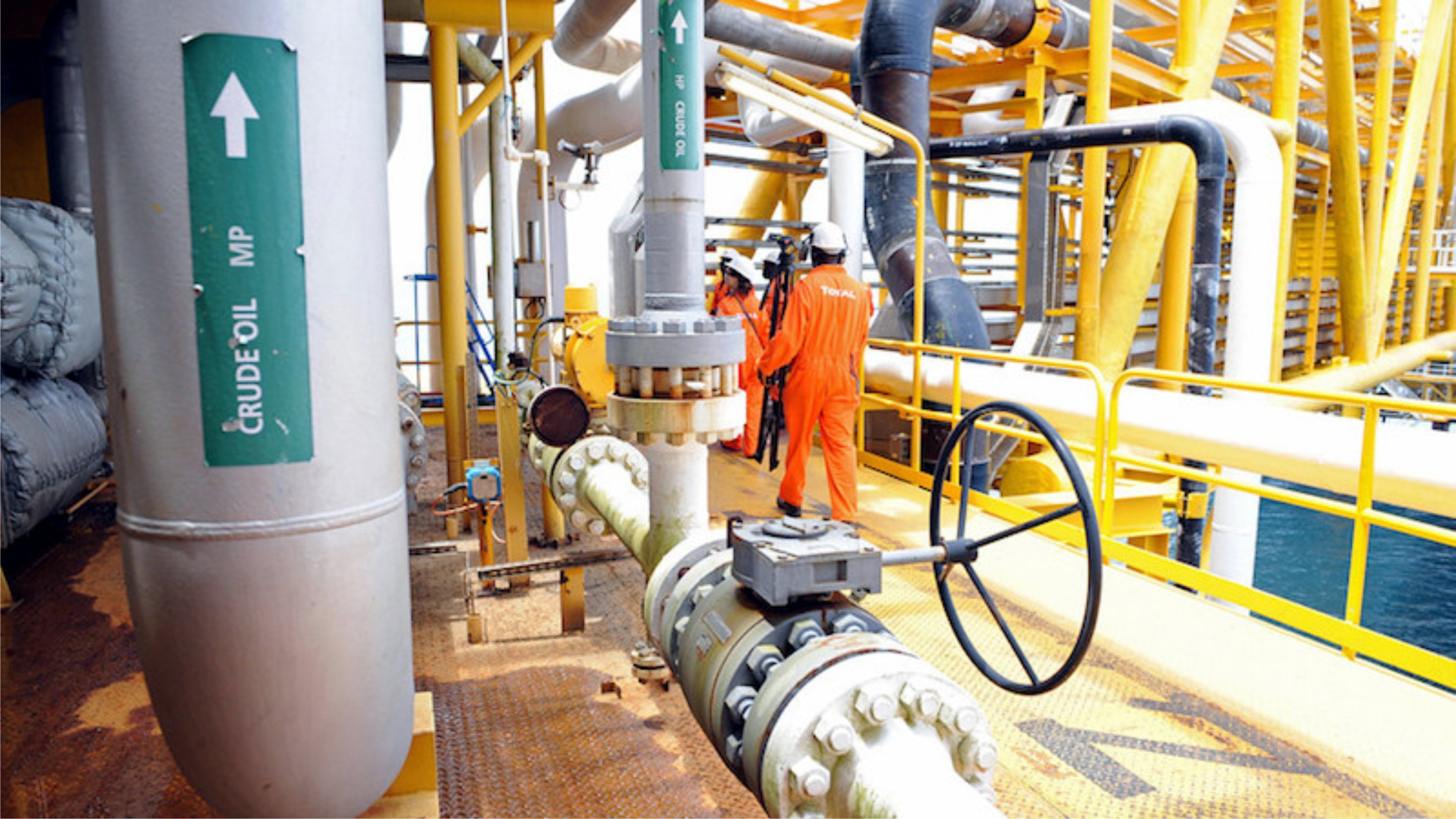
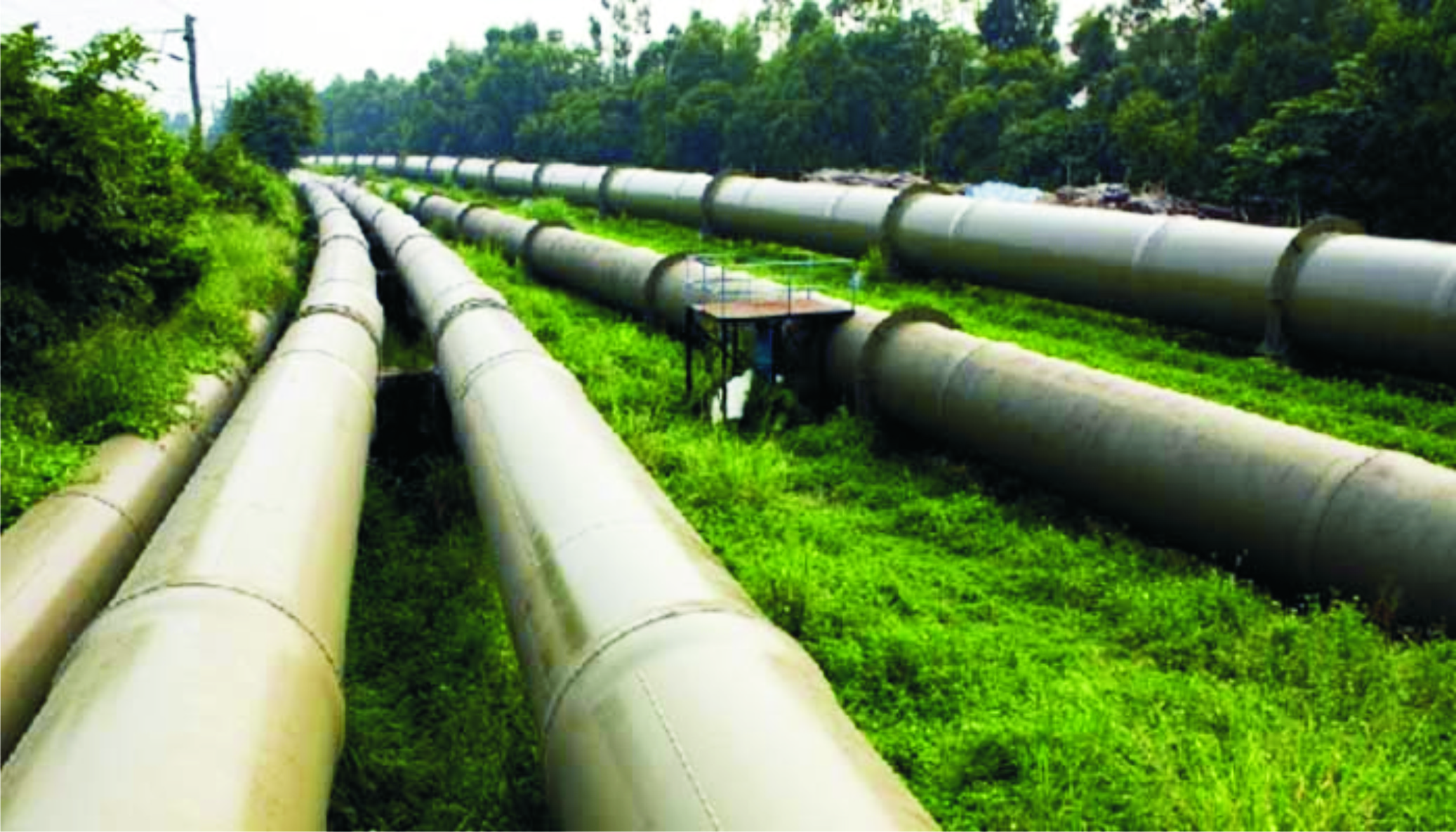
This figure is against the already released 40 slots by the company.
Consequently, the youths have moved to convene a national congress of youths to address issues relating to the oil exploration, which has sparked palpable divisions in the area.
Speaking during the inauguration of the Planning Committee for the Congress, in PortHarcourt, at the weekend, the President-General of OYF, Worldwide, Engr. Legborsi Yamaabana, described the congress as urgent, and targetted at addressing all issues arising from the planned oil resumption.
He said “The Ogoni nation stands at a critical crossroads in its history. We acknowledge the renewed political attention of the Federal Government of Nigeria under the leadership of His Excellency, President Bola Ahmed Tinubu (GCFR), particularly regarding the proposed resumption of oil and gas exploration in Ogoniland after more than three decades of suspension.
“While we recognize this development as a significant national conversation, we emphasize that any engagement concerning Ogoniland must be anchored on the principles of environmental justice, equitable benefit-sharing, and the protection of the dignity, rights, and future of the Ogoni people especially our youth, who remain the custodians of tomorrow.
“The Ogoni struggle is not merely historical; it is living, evolving, and central to the future of sustainable development in the Niger Delta and Nigeria at large.”
He called for calm over the 40 job opportunity given to the area by the NNPCL, insisting that such allocation was insufficient compared to the contribution of Ogoni to the economy.
Yamaabana rather requested that NNPCL, as a matter of importance, give 500 job slots to youths of the area,
In the interim, the leadership of OYF Worldwide has observed the unnecessary tension and uproar surrounding the reported 40 slots of employment opportunity allocated to Ogoni youths in NNPCL and its subsidiaries, as part of Federal Government confidence-building measure toward the resumption of oil and gas activities in Ogoniland.
“We strongly appeal to all Ogoni political, traditional, and community leaders to sheath their swords, maintain calm, and refrain from unnecessary squabbles over crumbs.
“Without preempting the sovereign deliberations of the upcoming Congress, let it be noted that Ogoni youth will not settle for tokenism.
“At the upcoming Congress, we shall formally demand a minimum of 500 direct employment opportunities within the Nigerian National Petroleum Company Limited (NNPCL) and its subsidiaries for qualified Ogoni youths, who have been economically sidelined and left inactive throughout this 33-year stalemate.”
-
Rivers14 minutes ago
Philanthropist Cautions Youths Against Ignoble Acts Donates Building To Musician
-
Education2 hours ago
FG Pledges Education Overhaul, Says Debate Builds Democratic Citizenship At 2026 Democracy Day Championship
-

 Oil & Energy1 hour ago
PENGASSAN Tasks FG On Stable Policies, Faster Approvals To Boost Oil, Gas Investment
-
Rivers14 minutes ago
IAUE Inaugurates Centre For AI, Launches Book On Digitisation Milestone
-
Education2 hours ago
Rector Commends RSG Over Commissioning of 3 Projects at Captain Elechi Amadi Polytechnic
-
 Oil & Energy1 hour ago
FG Pledges Stronger Support For Oil, Gas Training
-
 News12 minutes ago
Tinubu To Chair African Minerals Summit In New York
-
Education2 hours ago
NLNG, NCDMB, RSU Break Ground On Us$6.2m Research And Innovation Centre