
Oil & Energy
Experts Urge Sustainable Practices Against Oil, Gas Emissions

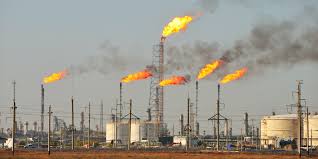
Energy experts have called for concerted efforts by all Stakeholders to cut greenhouse emissions for the safety of the environment.
The experts disclosed this at a webinar titled “Transitioning Away from Emissions, not Oil and Gas”, jointly organized by the Nigerian Institution of Petroleum Engineers (NiPeTE) and the Lagos Chamber of Commerce and Industry Professional Practice Group (LCCI PPG), through online discussions.
They insisted that reducing emissions does not necessitate abandoning oil and gas but rather requires the adoption of cleaner technologies and sustainable practices.
The former Executive Commissioner for Development and Production at the Nigerian Upstream Petroleum Regulatory Commission (NUPRC), Dr. Nuhu Habib, noted that while oil and gas production contributes to emissions, it is not the largest source of global greenhouse gases.
While noting that oil and gas would remain key drivers of the global economy for at least the next fifty years, Habib noted that oil and gas account for only about 15per cent of industrial emissions, emphasising that the real challenge lies in addressing the broader industrial activities that contribute to greenhouse gases.
He advocated for a focus on reducing emissions overall rather than solely targeting oil and gas production, which could negatively impact the global economy.
On his part, the President and Chairman of the Council at LCCI, Gabriel Idahosa, highlighted the significant emissions from gas flaring and other petroleum activities in Nigeria, which exacerbate climate change and affect public health.
He called for innovative approaches to decarbonise the economy while maintaining the growth and stability provided by oil and gas resources.
Idahosa noted that the oil and gas sector was vital to Nigeria’s economy, accounting for about 90per cent of export revenues and approximately 60per cent of government revenue.
He also stated that Nigeria’s CO2 emissions reached around 120 million tons in 2023, underscoring the environmental impact of its energy sector.
He stressed the need for a robust policy and regulatory environment to support this transition.
While recognising the Petroleum Industry Act (PIA) as a positive step, Idahosa advocated for additional measures such as carbon pricing, tax incentives, and stricter environmental regulations to promote clean technologies and sustainable practices.
The National Chairman, NiPeTE, Engr. Prisca Kanebi, emphasized the importance of balancing global greenhouse gas reduction goals with Nigeria’s development needs.
The Planning and Commercial Research Officer at Gas and Power Investment Service, NNPC Ltd., Dr. Mohammed Malami, called for the strategic integration of low-carbon technologies and improved operational efficiency to reduce emissions without eliminating oil and gas entirely.
He emphasised the crucial role of policy support and collaboration in achieving a balanced energy future.



Oil & Energy
IYC Tasks Niger Delta Governors On Oil Field Bidding ….Decries Exclusion of Host Communities


-

 Editorial1 day ago
Domesticate FG’s Exit Benefit Scheme
-

 News1 day ago
DHQ Confirms Deaths Of Terrorists, Soldiers In Borno Attack
-

 News21 hours ago
RSU Unveils Five-Year Strategic Dev Plan …Calls For Collective Commitment To Institutional Excellence
-

 News23 hours ago
Tinubu Commissions Bayelsa Gas Turbine, Other Projects Today
-
Rivers1 day ago
Dep Gov Seeks Collaboration, Transparency Between RIVCHPP, PHCMB
-
Nation21 hours ago
Rumuji Youth Leader Condemns Protest, Disowns Alleged Government Empowerment Claim
-
 Featured24 hours ago
FG Reaffirms Nigeria’s Stability As US Embassy Suspends Visa Appointments In Abuja Office
-
Sports1 day ago
Full Draw For 2026 U-17 AFCON