
Business
Obasanjo Advocates Africa Without Hunger

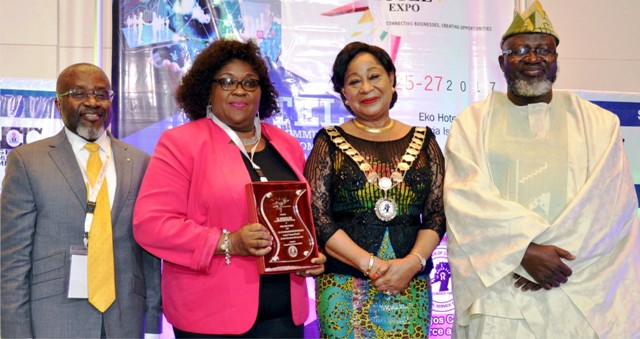
Former President Olusegun Obasanjo, has called for a world without hunger in Africa through deliberate investment in infrastructure, research and development.
Obasanjo made the call in his keynote address during the 50th anniversary celebration of the
International Institute of Tropical Agriculture (IITA) in Ibadan, Monday.
According to the former president, the current population growth has made it imperative to put the context of food security on the front burner, to avoid impending famine.
“From time immemorial, man’s history has been dotted with bouts of hunger and famine; attempts have been made to explain the nexus between famine and population.
“Current prognosis suggests that if current trends continue, the world’s population in 2050 will be in the neighborhood of 9.7 billion.
“It is in this context that food security of the world for present and future generations need to be discussed,” he said.
He said that Africa needed to embark on a path of agricultural transformation that makes agriculture the real engine for growth in economics of African countries.
“The food import bill of Africa has remained ridiculously high, hovering around 35 billion dollars per annum.
“This to say the least is not only unacceptable, but also unpardonable.
“Food demand is projected to rise by at least 20 per cent globally over the next 15 years, with the largest increases anticipated in Sub-Sahara Africa and East Asia.
“If nothing is done, the food import bill for Africa will continue to shoot even higher.”
Obasanjo said that zero hunger was possible if the leadership in Africa would leverage on the gains made through technology, innovation and research.
“It cannot be achieved on business as usual terms. It can only be achieved if all relevant institutions and actors will give agriculture the attention it deserves.
“Africa must increase its investment in agriculture, most countries are far from reaching the set target to allocate 10 per cent of all public expenditure to agriculture.”
He further called for increased support for research and development for the attainment of food security, wealth creation and employment generation.
Obasanjo also called for strategies to encourage women farmers in a more significant way, including access to land, resources and inputs.
In his remarks, Dr Kanayo Nwanze, a President of International Fund for Agriculture and Development (IFAD), said that Africa should take proactive steps to invest in infrastructure for agricultural development of the continent.
“Spending 35 billion dollars on food import annually is unacceptable; it means we are losing money that could be invested to strengthen our institutions”



Business
NAFDAC Decries Circulation Of Prohibited Food Items In markets …….Orders Vendors’ Immediate Cessation Of Dealings With Products


Importers, market traders, and supermarket operators have therefore, been directed to immediately cease all dealings in these items and to notify their supply chain partners to halt transactions involving prohibited products.
The agency emphasized that failure to comply will attract strict enforcement measures, including seizure and destruction of goods, suspension or revocation of operational licences, and prosecution under relevant laws.
The statement said “The National Agency for Food and Drug Administration and Control (NAFDAC) has raised an alarm over the growing incidence of smuggling, sale, and distribution of regulated food products such as pasta, noodles, sugar, and tomato paste currently found in markets across the country.
“These products are expressly listed on the Federal Government’s Customs Prohibition List and are not permitted for importation”.
NAFDAC also called on other government bodies, including the Nigeria Customs Service, Nigeria Immigration Service(NIS) Standards Organisation of Nigeria (SON), Nigerian Ports Authority (NPA), Nigerian Maritime Administration and Safety Agency (NIMASA), Nigeria Shippers Council, and the Nigeria Agricultural Quarantine Service (NAQS), to collaborate in enforcing the ban on these unsafe products.
-

 Politics4 days ago
Why Reno Omokri Should Be Dropped From Ambassadorial List – Arabambi
-

 Politics3 days ago
PDP Vows Legal Action Against Rivers Lawmakers Over Defection
-

 Sports3 days ago
Nigeria, Egypt friendly Hold Dec 16
-

 Sports3 days ago
NSC hails S’Eagles Captain Troost-Ekong
-

 Oil & Energy3 days ago
NCDMB Unveils $100m Equity Investment Scheme, Says Nigerian Content Hits 61% In 2025 ………As Board Plans Technology Challenge, Research and Development Fair In 2026
-

 Politics3 days ago
RIVERS PEOPLE REACT AS 17 PDP STATE LAWMAKERS MOVE TO APC
-

 Politics3 days ago
Withdraw Ambassadorial List, It Lacks Federal Character, Ndume Tells Tinubu
-

 Sports3 days ago
Makinde becomes Nigeria’s youngest Karate black belt