
Nation
THE STATES


Adamawa
Governor Muhammadu Jibrilla of Adamawa State has
directed local government council chairmen in the state to account for the salaries of their workers.
The governor also asked the Commissioner of Police in the state, Mr Gazali Mohammed, to investigate four acting local government council chairmen over alleged misappropriation of money meant for workers’ salaries.
Jibrilla gave the directive recently after an emergency meeting with the acting chairmen of the 21 local government councils of the state over problem of salaries.
The affected local governments are Lamurde, Jada, Shelleng and Demsa.
The governor said that his administration hinged on transparency and accountability, adding that public funds must be adequately accounted for.
Borno
The Nigerian Army said that its troops in Borno State
have killed a top Boko Haram commander known as Ameer Abubakar Gana and 18 other fighters.
A statement issued by army spokesman, Col. Sani Usman said several arms, ammunition, vehicles and other items were recovered during the operation.
Usman said in the statement that the commander and his men were killed during a clearance operation on the terrorists’ stronghold at Chukungudu by troops from various army battalions with support from Air Force aerial surveillance.
Usman said the operation was conducted following intelligence report about the activities of the insurgents in the area.
“Following credible information on the presence of Boko Haram terrorists at Chukungudu, a carefully planned operation comprising troops of 22 Brigade Garrison and 153 Task Force Battalion as well as Nigerian Air Force Intelligence Surveillance Reconnaisance, was conducted.
Ekiti
A Chief Magistrates’ Court sitting in Ado-Ekiti has re
manded a 19-year-old man, Seyi Oluwafemi, for alleged rape of a 13-year old girl.
The police prosecutor, Sgt. Caleb Leranmo, told the court that the accused committed the offence on May 26 at Efon-Ekiti.
He alleged that the accused, on the said date, unlawfully defiled the girl, which led to a serious injury on her.
Leranmo said the offence contravened section 218 of the Criminal Code, Cap C 16, Laws of Ekiti State, 2012.
He said he had duplicated the case file and forwarded It to the Office of Director for Public Prosecution (DPP) for legal advice.
FCT
The United Nations Development Programme (UNDP),
has secured three million dollars grant from the Government of Japan to accelerate the recovery and stability of the Internally Displaced Persons (IDPs) in the North East.
A statement by Mr John Nwankwo, Information official of the Embassy of Japan, said the sum would be used to implement two new projects in Adamawa, Borno and Yobe.
Nwankwo said the two projects are “Support for Early Recovery and Social Cohension” and “De-radicalisation, Counter –terrorism and Migration”, which would be implemented over a 12 months’ period.
According to him, the Ministry of Budget and National Planning will coordinate the implementation of the two projects.
He explained that the support to early recovery and social cohesion would contribute to ongoing recovery interventions in the region, devastated by more than five-year-long insurgency.
Kaduna
A staff of Ahmadu Bello University (ABU), Joy
Enobong-Akpan, and her daughter, Akon Iyene, have been arraigned before a Chief Magistrates’ Court, Chediya GRA, Sabongari, Zaria for criminal conspiracy and offering false information..
The two were said to have connived and falsely accused six staff of the university of kidnapping the second accused, Iyene, a student of Human Anatomy Department of the institution.
Kano
The Kano State Government has approved N1 billion for
the construction of 348 classrooms in secondary schools across the state.
The Commissioner for Information, Alhaji Muhammad Garba, announced this when he briefed newsmen on the outcome of the state’s Executive Council meeting in Kano.
He said that the gesture was part of Gov. Abdullahi Ganduje’s promises to embark on projects that would have impact on the people of the state.
Garba added that the new classrooms would not bear any inscription or name of individuals on them.
He noted that the Council had also approved N90.7 million for the conversion of Mariri orphanage home into boarding primary school in the state
The Council approved another N125 million for the construction of drains in Kano State University of Science Technology, Wudil, he said.
Kwara
The Chief Imam of Markaz Al Adaby Mosque in Ilorin,
Malam Abdulmumin Apaokagi, has urged Muslims to be spiritually prepared during Ramadan fast by moving closer to Allah and be steadfast in prayers.
Apaokagi made the call in Ilorin while delivering lecture as the last Friday preceding the Holy month of Ramadan.
Ramadan is the month which Muslims fast for 29 or 30 days as prescribed for them in the Holy Qur’an chapter 2 verse 183
as “O ye who believe, fasting is prescribed to you as it was prescribed to those before you that ye may (learn) self-restraint.”
The cleric said Muslims should not only prepare for Ramadan by stocking their homes with foodstuff but by purifying their hearts to usher in the holy month.
Lagos
No fewer than eight suspected fake optometrists have
been arrested in Lagos by the Registrar of Optometrists and Dispensing Opticians Registration Board of Nigeria, in conjunction with the Nigeria Police.
Our correspondent reports that the board members, the Ministry of Health and the police raided some areas in Lagos Island, including Tinubu Square, to make the arrests.
The Vice Chairman of the Nigeria Optometrists Association, Lagos State chapter, Dr John Sedi, who confirmed the number of arrests to newsmen, said that some eye glasses and some equipment for optometrists were recovered from the suspects.
He said that the raid was one way to protect the eyes of many Nigerians from being damaged, and to also enlighten the public on the dangers in patronising quacks.
Nasarawa
Maichibi Widow of Hope Foundation, an NGO, has ap
pealed to parents and guardians to ensure good education for their female children/wards before giving them out in marriage.
The Chief Executive Officer of the foundation, Mr Bitrus Maichibi, made the appeal in Akwanga, Nasarawa State, during an awareness campaign on girl-child education.
He explained that the campaign organised by the foundation for public and private school female students in Akwanga Local Government Area, was aimed at stressing the importance of girl-child education.
Maichibi said that sexual abuses, lack of proper education for the girl-child, were reasons for the sensitisation exercise, adding that parents should send their female children to school.
Ogun
The Traffic Compliance and Enforcement Corps (TRACE)
in Ota, Ogun State has urged companies to retrain their drivers to cope with the challenges of driving during the rainy season.
The TRACE Zonal Commander, Mr Adekunle Ajibade, made the appeal in an interview with newsmen in Ota.
Ajibade said he would love to see the Manufacturers Association of Nigeria (MAN) assisting the agency in spreading the campaign, especially now that the rainy season had started.
He said that retraining was needful because the rainy season was more prone to accident than the dry weather.
According to him, the slippery nature of roads during the rainy season had often contributed enormously to road crashes.
Plateau
Governor Simon Lalong of Plateau State has inaugurated
the first ever Primary Health Care (PHC) Clinic in his own village, Ajikamai, in Shendam Local Government Area.
Inaugurating the N13 million facility, the governor described the event as “historic”.
“It is the first time my people are seeing an edifice like this in this village,” he said.
The governor said that the centre was built under the Community and Social Development Programme (CSDP) of the state.
He expressed satisfaction with the quality of the work as well the speed with which it was completed, stating that the project would address the health needs of the people.
Sokoto
The Sokoto State Pilgrims Welfare Agency (PWA) says it
hasso far remitted over N1.6 billion to the National Hajj Commission (NAHCON) for the 2016 Hajj.
The Director-General of the agency, Alhaji Ibrahm Umar made the disclosure in Sokoto during the payment of N159 million as refunds to 4,997 pilgrims from the state who performed the 2015 hajj.
According to the Umar, the remittance was for 50 per cent of the 4,948 hajj seats allocated to the state by NAHCON for the forthcoming exercise.
“All the seats had been allocated to the 23 local governments in the state, while efforts are on to collect the balance and remit same to the commission,’’ Umar added.



As the world marked the 2026 International Day of the Girl Child on Sunday, October 11, 2026, a non-governmental organisation, Stand Up for Women Society (SWS) has intensified its campaign against child marriage, urging schoolgirls to prioritise education, protect their rights and develop skills for a better future.
The organisation joined the global observance of the day under the theme, “International Day of the Girl Child: End Child Marriage and Invest in Girls’ Rights,” with a sensitisation programme at Government Girls Secondary School, Oromenike, D-Line, Port Harcourt, Rivers State.
Led by its Vice Chairperson, Daba Benebo, the group engaged the students in discussions on the dangers of early marriage, teenage pregnancy, sexual abuse and other challenges that threaten the education, safety and development of the girl child.
Speaking during the programme, Benebo urged the students to reject early marriage and remain focused on their studies, stressing that education would empower them to make informed decisions about their lives and future.
She cautioned the girls against allowing anyone to deprive them of their right to education and dignity, advising them to report cases of harassment, abuse and other violations of their rights to the appropriate authorities.
Benebo assured the students that SWS remained available to support them whenever they encountered violations of their rights.
She also encouraged them to maintain discipline and responsible conduct while avoiding behaviours that could expose them to negative influences and jeopardise their future.
Beyond formal education, the SWS vice chairperson urged the students to acquire vocational skills that could provide additional opportunities for economic independence and help them navigate future challenges.
The sensitisation programme, enlivened by singing, dancing and to share their views and experiences on issues affecting the girl child interactive sessions, provided an opportunity for the students to share their views and experiences on issues affecting the girl child.
One of the major issues raised during the discussion was the appropriate age for marriage. While some participants maintained that 18 years was the constitutionally approved age, the discussion highlighted the need to consider not only age but also the maturity, preparedness and responsibilities associated with marriage.
The speaker stressed that marriage required adequate mental and emotional preparation, as well as the capacity to shoulder its responsibilities.
She therefore advised the students to concentrate on acquiring a sound education before considering marriage, noting that education would equip them with the knowledge and skills needed to make responsible decisions and manage family life.
The issue of teenage pregnancy also featured prominently during the question-and-answer session.
In addressing the subject, the speaker explained that pregnancy could occur even at the age of 12, using the example to underscore the vulnerability of young girls to the consequences of early sexual activity.
She advised the students to avoid sexual intercourse and prioritise their education, personal safety and future aspirations.
The discussion also examined the difficulties some girls encounter when living with hostile spouses, relatives or guardians.
Benebo encouraged the students to cultivate patience, humility and diligence, noting that these qualities could help them navigate difficult situations and build a brighter future.
However, she warned that patience and humility should never be interpreted as an obligation to endure violence, abuse or degrading treatment.
She urged girls experiencing hostile or abusive living conditions to seek help from their parents, trusted adults or appropriate support services rather than remain in environments that could expose them to physical or emotional trauma.
“When such happens, please return to your parents and engage in petty trade or learn a skill to support your education rather than stay in a hostile environment,” Benebo stressed.
The programme also underscored the importance of protecting girls from early marriage and other harmful practices that can disrupt their education, compromise their well-being and limit their opportunities in life.
It also reinforced the need for families, schools, communities and relevant organisations to work together to ensure that girls have access to education, vocational training, protection and the support they need to realise their potential.
For SWS, the message was clear: empowering the girl child begins with protecting her rights, investing in her education and equipping her with the confidence and skills to make informed choices about her future.
Stories by Kevin Nengia
The Egberipapa Foundation has unveiled a mass transit scheme aimed at easing transportation difficulties and improving connectivity among communities in the three Kalabari local government areas of Asari-Toru, Degema and Akuku-Toru in Rivers State.
The initiative, established by former Caretaker Committee Chairman of Akuku-Toru Local Government Council, High Chief Sobomabo Jackrich, popularly known as Egberipapa, is designed to make transportation more accessible and affordable for residents across the Kalabari area.
The scheme was launched on Monday, October 12, 2026, and is expected to address longstanding transportation challenges confronting residents, particularly those in riverine and hard-to-reach communities.
Communities expected to benefit from the initiative include Krakrama, Minama, Angulama, Sangama, Omekwe-Tariama and Omekwe-Ama.
The project is expected to ease movement within and beyond the Central Group area, while providing residents with a more convenient means of transportation for their daily activities.
For decades, transportation difficulties have posed significant challenges to several Kalabari communities, making movement between settlements both cumbersome and expensive. These challenges have also affected commercial activities, social interactions and access to essential services.
The introduction of the mass transit scheme is therefore expected to provide relief to residents, strengthen inter-community connections and stimulate economic activities across the benefiting communities.
Beyond improving mobility, the initiative could contribute to community development by facilitating the movement of people and goods, supporting local businesses and enhancing social and economic interactions within the Kalabari area.
As the scheme gets underway, attention will be focused on its implementation, accessibility and sustainability, as well as its capacity to deliver lasting transportation benefits to the target communities.
The initiative represents a potentially significant step towards addressing transportation challenges and promoting grassroots development across the Kalabari Kingdom.
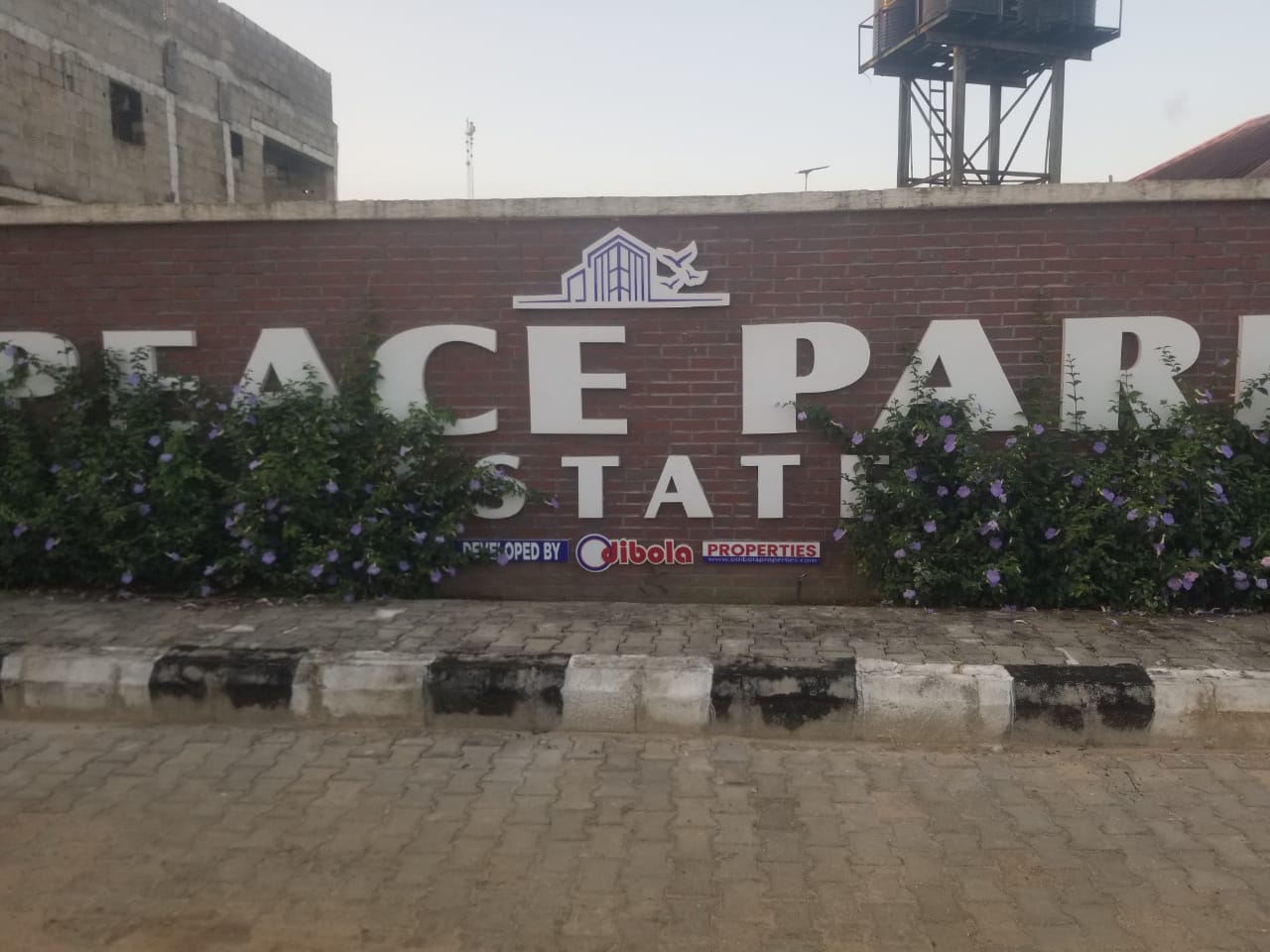
The Amaewhule family of mbodo Aluu in Ikwerre Local Government Area of Rivers State has cautioned members of the public against entering into any land transaction involving a disputed property known as “Ada Oro Fam Land,” located behind the OPM Church along Airport Road.
The family, through its legal counsel, Barrister Ndubuisi Agumagu, issued the warning amid an ongoing legal dispute over the ownership and control of the property, which is said to comprise more than 900 plots of land.
The matter is currently before the Isiokpo High Court of Rivers State in a suit numbered IHC/246/CS/2026, presided over by Justice Sobere Biambo.
The claimants in the suit include Chief Green Amaewhule and others, while Fabulous Amaewhule and Odibola Properties are listed among the respondents.
Counsel to the Amaewhule family, Barr Ndubuisi Agumagu, advised prospective land buyers and members of the public to exercise caution and refrain from purchasing any portion of the disputed property pending the determination of the case by the court.
According to the legal counsel, the property is a family estate belonging collectively to the Amaewhule family, and no individual member of the family has the authority to unilaterally dispose of portions of the land.
The counsel specifically maintained that Fabulous Amaewhule, one of the respondents in the suit, does not have the legitimate authority, according to the family’s position before the court, to sell portions of the disputed property.
The family further warned that anyone who proceeds to purchase land from the respondents while the matter remains before the court would be doing so at their own risk.
It stressed that such buyers could potentially lose their investments should the court eventually deliver judgment against the validity of the transactions.
The legal team said the warning became necessary to prevent unsuspecting members of the public from committing their resources to a property whose ownership and right of disposition are currently the subject of judicial determination.
The family also urged prospective investors, developers and land buyers to conduct proper legal inquiries and obtain independent verification of the status of the property before committing funds to any transaction relating to it.
The Amaewhule family said its position was intended to protect members of the public from possible financial losses and further legal complications while the case remains sub judice, stressing that interested parties should await the final determination of the court.
Akujobi Amadi
-

 Education1 day ago
FCE Yola Graduates 3,555 Teachers , Seeks Upgrade to University
-

 Sports1 day ago
Nigerian Trio Target Titles At PFL Africa Finals
-

 Niger Delta1 day ago
Diri Restates Stance On Lagos-Calabar Coastal Highway
-

 Niger Delta1 day ago
C’River, NUJ Pay Tribute To Late Guardian Editor
-

 News1 day ago
NDLEA Recovers Tons Of Illicit Drug Consignments In Nine States
-

 Opinion1 day ago
Checking Voter Apathy In Nigeria’s Electoral Process
-

 Politics1 day ago
2027: DICKSON’S EX-ALLY VOWS TO WORK AGAINST NDC INTEREST IN BAYELSA
-

 Politics1 day ago
2027: GROUP PLEDGES 40,000 SUPPORTERS FOR COALITION CANDIDATES IN RIVERS