
Editorial
Actualising Fubara’s Employment Directives

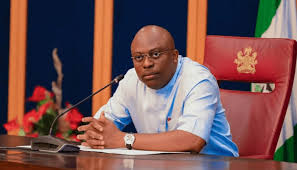
Good times are here again as youths in Rivers State are feeling enthusiastic and optimistic following the proclamation made by the governor of the state, Sir Siminalayi Fubara, that 500 young people would be employed in the civil service. This news signifies a new beginning and a brighter future for many individuals who have been passionate about contributing to the development of their state.
Commendably, the governor has decided to employ 500 individuals in the state healthcare sector, as this will bolster the standard of healthcare services and deal with the issue of youth unemployment. The engagement of these young people will not only provide them with a stable source of income but will also empower them to effect meaningful improvements towards the well-being of the people. To show assurance of his promise, the governor gave three weeks as the timeline to complete the process and ensure that those engaged commenced work.
The allocation of the new staff between the Rivers State University Teaching Hospital (RSUTH) and the Rivers State Health Management Board (RSHMB) demonstrates the government’s commitment to improving healthcare infrastructure and services across the state. By investing in the health sector and providing employment opportunities for the youth, the government is not only addressing the immediate needs of the populace but also laying a strong foundation for long-term sustainable development.
Earlier, Governor Fubara had approved the promotion process for staff members of the RSHMB and RSUTH. This decision aims to boost employee morale, improve retention rates, and enhance the quality of healthcare services in the state. The promotion process was set to be concluded by March 2024. No doubt, the proactive approach will attract top talents to the institutions, further strengthening the health sector workforce of the state.
Recall that the immediate past administration of Nyesom Wike was marked by neglect of labour matters and the welfare of civil servants. One of the most concerning issues was the unjustifiable refusal to promote civil servants for a staggering eight years. This lack of promotion not only affected the career progression and morale of the workers but also had a huge impact on their financial well-being. There were controversies surrounding the implementation of minimum wage and failure to carry out employment in the civil service.
Thankfully, the present administration has taken swift action to address these wrongs and prioritise the welfare and proper treatment of civil servants in the state. There is a renewed sense of urgency to ensure that workers are promoted based on merit and are given fair compensation for their hard work. The government has also effected the N30,000 minimum wage among local government staff and addressing the backlog of pensions and gratuities to provide financial security to retirees who have dedicated their lives to public service.
We understand the difficulties faced by Rivers youths and others in the country and we commend the governor for his decision to immediately employ 10,000 applicants who have met the necessary requirements to be recruited into the State Civil Service. This move will undoubtedly enhance the living conditions of Rivers youths and provide them with much-needed employment opportunities.
The Rivers State Civil Service Commission had initiated the physical verification process for 10,000 civil service jobs, with 2,000 slots already allotted to the state primary and post-primary schools boards for teacher recruitment. While this is a positive step, we suggest that the governor consider increasing the slot allocation for education since it is an essential sector that requires more attention and investment.
Governor Fubara’s directive for the review of the sacked Ignatius Ajuru University workers is an additional necessary step towards ensuring fairness and transparency in the employment process. It is imperative that the appropriate authorities act swiftly to effect this particular directive without delay, as it is in the best interest of the state and its citizens.
The state government’s observation that all issues of irregularities in the employment process should be resolved is laudable. It is required to address any discrepancies in the recruitment to ensure that only deserving and qualified individuals are employed in the university. Conducting a thorough review of the workers’ cases will enable the state government to rectify any past mistakes and uphold the integrity of the institution.
Furthermore, the issue of ethnic imbalance must be addressed to promote inclusivity and diversity within the university. It is proper to ensure that individuals from all ethnic backgrounds have equal opportunities for employment and advancement within the institution. If this matter is tackled properly, the state government can create a more encyclopedic and representative workforce that reflects the variegation of the state.
As Governor Fubara’s dedication to the employment of Rivers people is laudable, there is a disturbing issue with the state-owned media houses being neglected in the current employment efforts. These media organisations are understaffed and heavily rely on casual workers to function. Given their importance in broadcasting government programmes and policies, it is necessary that they receive support to fulfil their duties effectively. Making them beneficiaries of the employment process will greatly advance both the government and the people of the state.
Furthermore, the governor should reexamine the situation concerning the dismissed Demonstration School teachers in the state’s higher institutions. The teachers have been experiencing immense pain, agony, trauma, and worry since their dismissal. Former Governor Wike had instructed in February 2016 for the teachers’ salaries to be removed from their universities’ payroll. We urge the governor to ensure justice for the affected workers and return happiness to their lives.
Every effort should be made to uphold Fubara’s directives regarding employment in the state. This is because a thriving civil service is essential for the prosperity of any state. As a former civil servant himself, the governor understands this importance and is dedicated to improving the service. He remains focused on his goal of making the civil service a model for the country. His popularity among the people is a result of his commitment to their needs. Opposition parties have even joined forces with him due to his impressive track record.



-

 Niger Delta1 day ago
Warri Airport Manager Disputes Air Peace Bird Strike Claim
-

 News1 day ago
Nigeria Won’t Surrender Any Territory To Criminals -Tinubu
-

 News1 day ago
FG Begins Trial Of Over 600 Terrorism Suspects
-

 Rivers1 day ago
79th IAUE Inaugural Lecture: Prof Anero Advoctes Tuition-Free Education For Children
-

 Politics1 day ago
Parties’ Deregistration: How Justice Lifu Overruled Appeal Court Justices
-

 Politics1 day ago
ADC: Okonkwo Rejects Amaechi As Presidential Running Mate, Withdraws Support
-
Politics1 day ago
2027: Rivers PFN To Mobilise 600,000 Votes
-

 Politics1 day ago
2027: Tinubu’s Projects Give APC Edge In South East – Yilwatda