
Nation
Rivers Reaffirms Commitment to Human Capital Development at 85th JCCE Plenary

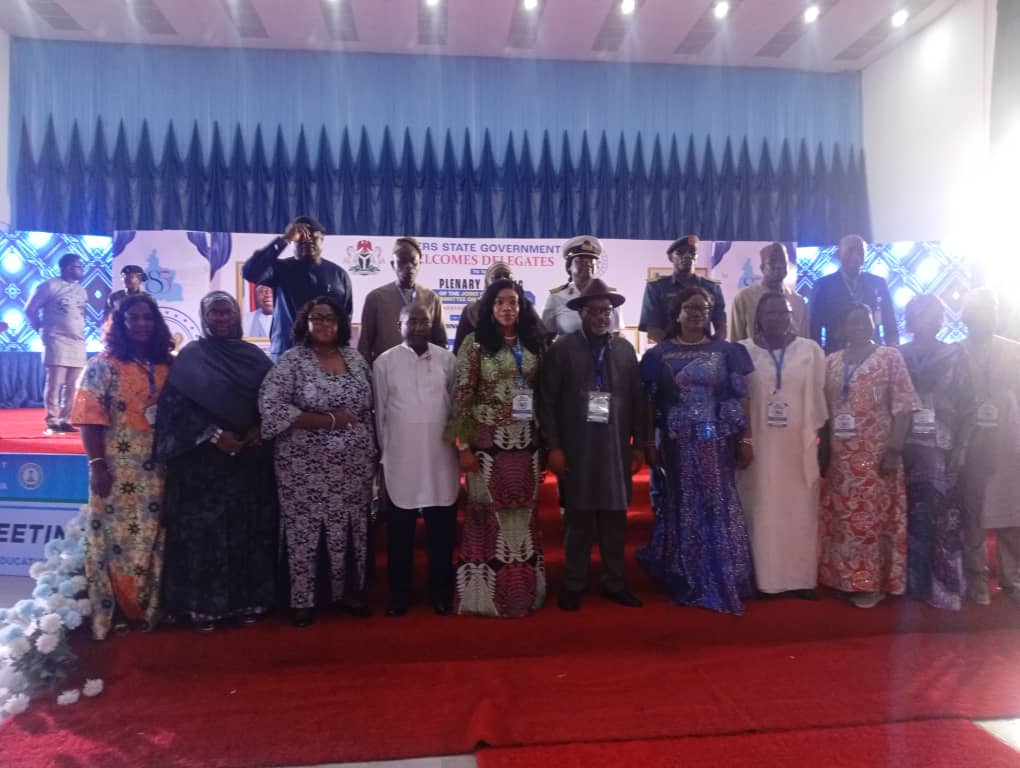
The Rivers State Government has reaffirmed its commitment to prioritising human capital development, particularly education, as a foundation for sustainable development and national progress.
Governor Siminalayi Fubara gave the assurance on Tuesday while declaring open the 85th Plenary Meeting of the Joint Consultative Committee on Education (JCCE), hosted by Rivers State at the Obi Wali International Conference Centre, Port Harcourt.
The four-day plenary, with the theme ” Infrastructural Development And Teacher motivation: panacea for improved learning outcomes” brought together education policymakers, technocrats and stakeholders from the 36 states of the federation and the Federal Capital Territory, is focused on deliberating on critical issues affecting the education sector and developing policies to improve teaching and learning outcomes.
Fubara, who was represented by the Commissioner for Education, Dr Peters Nwagor, said the meeting provided an important platform for stakeholders to exchange ideas, harmonise policies and address emerging challenges confronting the nation’s education system.
The governor said his administration had placed human capital development at the centre of its governance philosophy, with deliberate investments in the construction, rehabilitation and upgrading of educational infrastructure across the state.
He, however, stressed that infrastructure alone could not guarantee meaningful educational outcomes, emphasising the need to prioritise the welfare, training and continuous professional development of teachers, whom he described as central to the success of the education system.
Quoting former South African President Nelson Mandela’s observation that education is a powerful instrument for changing society, Fubara said teachers and infrastructure must be treated as complementary components of educational development. He added that sustained investment in teachers would strengthen the entire education system.
The governor acknowledged the challenges confronting Nigeria’s education sector, including inadequate funding and infrastructure deficits, and called for stronger collaboration among the Federal Government, states and other stakeholders to address the problems.
He urged participants to ensure that resolutions reached at the plenary did not end as policy documents but translated into measurable improvements in classrooms, schools and the lives of teachers and learners across the country.
In his remarks, the Minister of Education, Dr Maruf Tunji Alausa, represented by the Director overseeing the Office of the Permanent Secretary, Dr Folake Olatunji-David commended the Rivers State Government and people for the hospitality and arrangements put in place to host the plenary.
Alausa highlighted Federal Government initiatives aimed at transforming the education sector, including the Nigerian Education Sector Renewal Initiative, Renewed Hope Energised Education Programme, Next-Generation Student Hostel Projects and the National Digital Learning Initiative, among others.
The minister urged delegates to go beyond identifying challenges and develop pragmatic and actionable recommendations on infrastructure, teacher capacity development and innovative financing, stressing that the outcome of the plenary would be consolidated and forwarded to the National Council on Education, the highest policy-making body in the sector, for consideration and further action.


Nation
Break Free From Poverty Mindset, Build Multiple Income Streams – Dr. Adepoju …Unveils Eight Chapter Book On Financial Independence
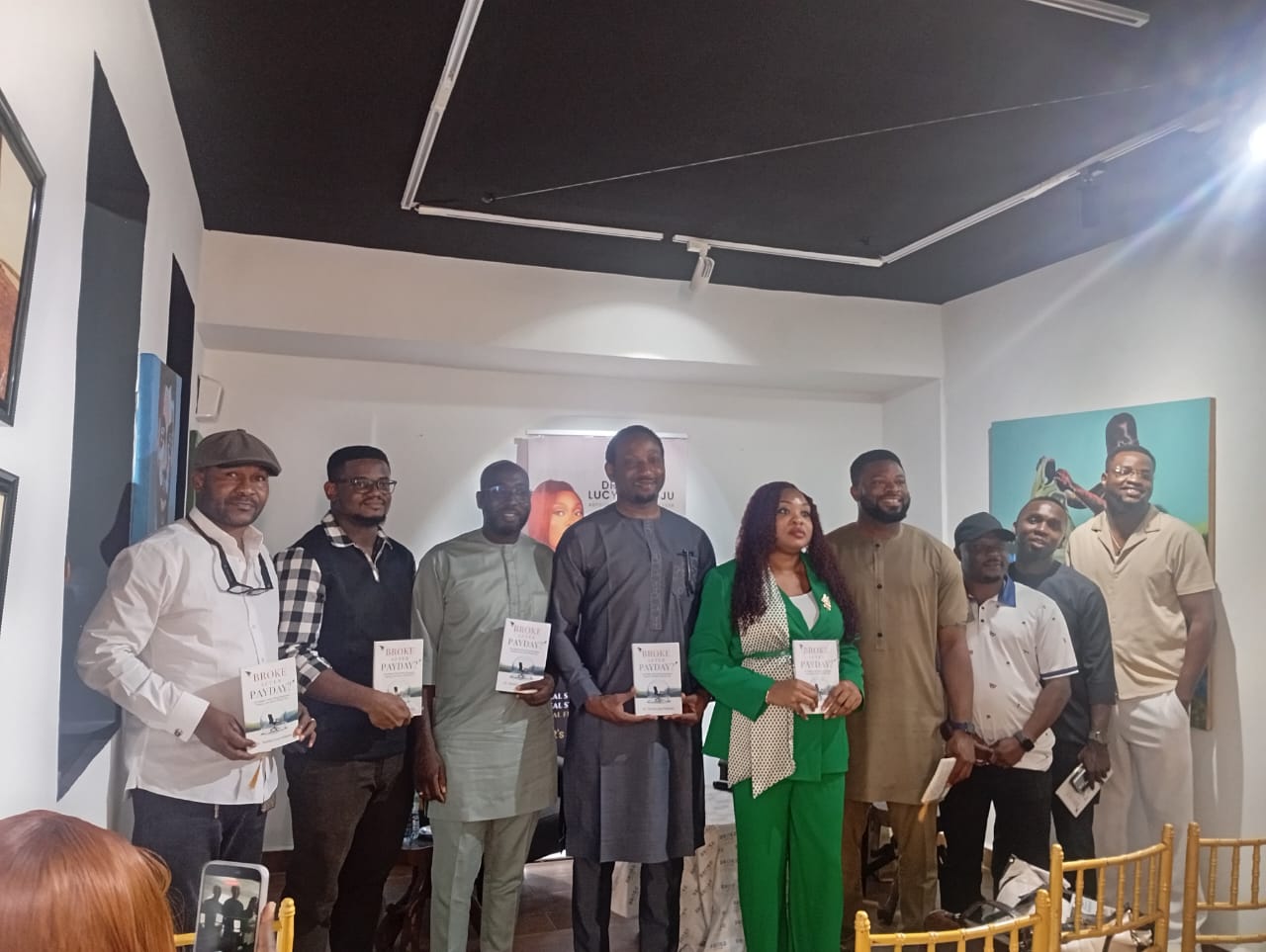
An author and multi-politialite Entrepreneur and strategist, Dr. Yemisi Lucy Adepoju has challenged Nigerians to break away from limiting beliefs about money and embrace deliberate wealth-creation strategies, stressing that financial freedom begins with a change in mindset.
Adepoju stated during a conversation and unveiling of the book “Broke AFTER PAY DAY?” The hidden crisis killing Employees Dreams and how to break free held in Port Harcourt over the weekend.
She spoke on agriculture, wellness and personal finance, said many people remain trapped in financial hardship because of inherited beliefs and attitudes that shape the way they perceive and manage money.
She identified beliefs such as the popular saying that “money does not grow on trees” as examples of mental conditioning that could limit people’s understanding of wealth creation.
According to her, individuals must consciously replace such limiting mindsets with ideas that encourage investment, entrepreneurship and long-term financial planning.
Adepoju said changing one’s financial circumstances requires more than simply earning a salary, urging workers to move beyond dependence on a single source of income.

The author particularly encouraged civil servants, corporate employees and other salary earners to explore additional legitimate income streams, stressing that agriculture, strategic partnerships and private equity investments could provide opportunities for building sustainable wealth.
She described agriculture as an important area that should receive greater attention from individuals seeking alternative investment opportunities, noting that the sector offers possibilities beyond traditional subsistence farming when approached with proper planning, knowledge and professional management.
The financial expert also stressed the importance of budgeting and disciplined money management, saying that earning money without having a clear plan for its deployment could undermine efforts to achieve financial stability.
According to her, individuals should learn to “send their money on errands” by putting their resources into productive ventures and investments capable of generating further income and creating long-term value.
Adepoju further emphasised that genuine wealth creation requires patience, discipline and a willingness to make informed financial decisions rather than pursuing quick returns.
She urged individuals to develop a healthier and more intentional relationship with money, insisting that financial success should not be measured only by how much a person earns, but also by how effectively the money is managed, invested and multiplied.
She maintained that changing financial habits today could have lasting implications for families and future generations, encouraging Nigerians to begin building assets and income streams that can create opportunities beyond their immediate needs.
Her message was therefore clear: breaking the cycle of financial limitation starts in the mind, but building lasting wealth requires action, discipline, diversification and strategic investment.
Reviewing the book, Engr. Nnena Nwezeh, Dr. George and Mr. Best Eke commended the author for profiling solutions to the financial challenges confronting both public workers, private and business owners in the country.
They described the book as a must read as the language used by the author is simple for easy understanding and reading , adding that budgeting and discipline are critical principles for financial breakthroughs and sustainability.
Amadi Akujobi
Nation
Rivers Reaffirms Commitment to Adequate, Affordable Housing For All …As Aprioku Calls For Citizen Compliance
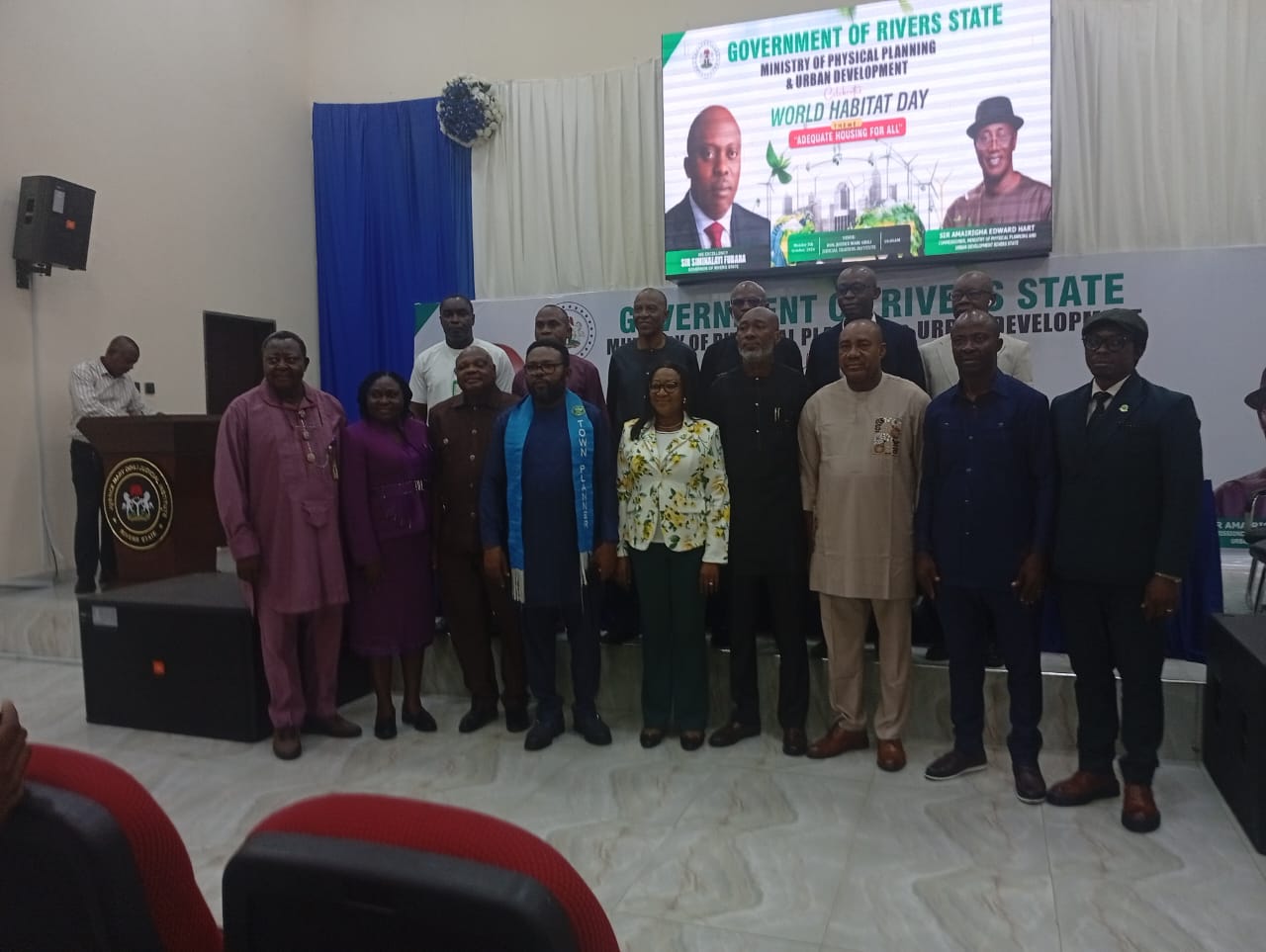
The Rivers State Government has reaffirmed its commitment to providing adequate, affordable and sustainable housing for residents of the state, in line with global standards and the United Nations Sustainable Development Goals.
The state government gave the assurance on Monday, October 5, 2026, during the World Habitat Day celebration organised by the Ministry of Physical Planning and Urban Development at the Justice Mary Odili Judicial Institute Auditorium, Port Harcourt.
World Habitat Day, observed annually on the first Monday of October, provides an opportunity for governments, professionals and other stakeholders to reflect on the state of human settlements and the fundamental need for adequate shelter. The day also highlights the collective responsibility of stakeholders to promote sustainable towns and cities.
Speaking at the event, the Commissioner for Physical Planning and Urban Development, Amaopusenibo Sir Amairigha Edward Hart, represented by the Permanent Secretary of the Ministry, Town Planner Mrs. Soibitein Duke-Harry, described the 2026 theme as timely, particularly against the backdrop of the growing demand for decent and accessible housing.
Duke-Harry highlighted the housing initiatives of the Governor of Rivers State, Amaopusenibo Sir Siminialayi Fubara, GSSRS, including the 20,000 RIV/TAF City Housing Units designed to cater to medium- and low-income earners, as well as the Civil Servants’ Quarters and Permanent Secretaries’ Quarters.
She described the projects as people-oriented interventions, noting that beyond providing decent accommodation, they were expected to create employment opportunities and stimulate economic activities. She therefore urged professional bodies and residents to support efforts aimed at promoting urban renewal and sustainable development.
Also speaking, the Head of the Rivers State Civil Service, Dr. Inyingi Brown, represented by the Permanent Secretary, Service Welfare, Office of the Head of Service, Mr. Chimenem Mpi, commended the Ministry for sustaining the global conversation on sustainable human settlements.
Brown also acknowledged the administration’s housing initiatives for civil servants, describing the dedicated housing scheme as part of efforts to address the welfare needs of workers in the state.
Goodwill messages were delivered by Professor Sodienye Abere, Director, Centre for Climate Change and Sustainable Development Studies, Rivers State University; representatives of the Nigerian Society of Engineers (NSE); the Nigerian Institute of Town Planners (NITP); and Dr. Ibimina Wokoma, Managing Director of the Rivers State Waste Management Agency (RIWAMA).
In a related development, the Ministry aligned with the 2026 Annual Flooding Sensitisation Advisory issued through the Nigerian National Volunteer Service (NNVS), urging residents to avoid construction on natural waterways, riverbanks and flood-prone areas.
Residents were also advised to desist from blocking drainage channels or dumping refuse in gutters, ensure the free flow of rainwater and promptly report signs of flooding.
Delivering the keynote lecture on the theme, “Adequate Housing for All,” a veteran Town Planner, Rev. Dr. Mina Aprioku, said the lecture was aimed at examining the concept of housing adequacy within the context of contemporary urban governance.
Aprioku identified rapid urbanisation, affordability challenges and increasing population pressure as major factors contributing to the housing deficit, noting that cities across Nigeria, including Port Harcourt, were experiencing growing pressure on available housing infrastructure.
He called for increased housing development backed by appropriate policies and effective collaboration among government and professionals in the built environment. He also urged residents to comply with physical planning regulations and play active roles in the development of their communities.
Akujobi Amadi
-
 Education2 days ago
*RSU Champions Urban Greening to Tackle Heat, Air Pollution in Port Harcourt*
-
 Oil & Energy2 days ago
Nigeria Needs $410bn Additional Investment To Achieve Net-Zero Pathway —– Presidency
-
 Maritime2 days ago
NPERA Task On Port Regulation To Unlock Nigeria’s Fisheries, Blue Economy
-

 News3 days ago
NBA Decries Absence Of Substantive Attorney-General In Rivers
-
 Education2 days ago
Staff, Students Protest Alleged Attempt To Arrest – Vc
-
 Politics2 days ago
APC SUPPORT GROUP WOMEN STAGE RALLY FOR TINUBU, OTHERS IN RIVERS
-

 Business2 days ago
NIGERIA AT 66: FROM REFORM TO THE REAL TEST OF DEVELOPMENT
-

 Maritime2 days ago
IMO Mourns Five Seafarers Killed In Somalia Rescue Operation