
Business
2023 Budget: FCT Risks Zero Allocation

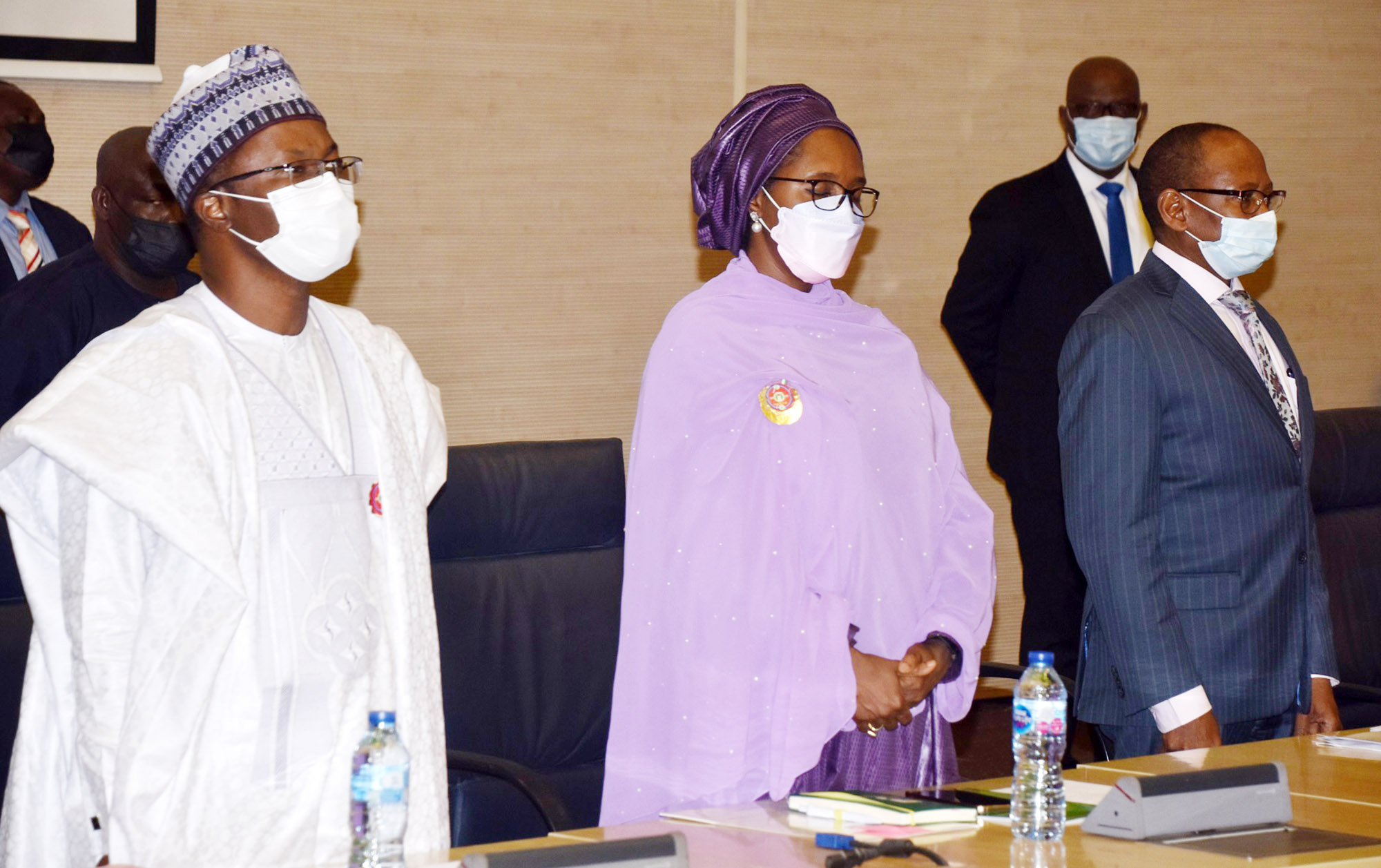
The Senate has expressed displeasure over the late submission of the 2022 budget proposal by the Federal Capital Territory (FCT), Abuja.
The upper legislative chamber ordered the authorities of FCT to make available, the 2023 budget proposal latest by next week or risk zero allocation for the fiscal year.
The N607.962billion 2022 budget for FCT, ran into troubled waters in the Senate after it was presented for debate by the Senate leader, Ibrahim Gobir.
Senator James Manager (PDP Delta South), who was the first to draw attention to the lateness, reminded the Senators that the year the budgetary proposals were meant for is less than three months to roll away, and called for its rejection.
“What are the people saddled with drafting of the proposals doing since January? Are they aware that we are already in the 10th month of the year ?” Manager said.
In preventing rejection of the proposals, the Senator representing FCT, Philip Aduda tendered an apology on behalf of the FCT Minister for the late submission of 2022 budget proposals.
“Mr President, it is very unfortunate that the 2022 FCT budget is submitted for consideration in October but I seek the indulgence of this Senate to consider it by passing it for second reading as moved by the leader,” Aduda said.
But the Senate President, Ahmad Lawan, in his remarks said submitting the 2022 budget proposals in October is not only unfortunate but unacceptable.
He directed the Chairman, Senate Committee on FCT, Smart Adeyemi (APC Kogi West), to liaise with FCT Minister, Muhammad Bello on the unfailing submission of 2023 budget next week.
“What the FCT did on its 2022 budget submission in the month of October is not only unfortunate but unacceptable
“Honestly speaking, this should not be accepted by us but for the interest of innocent residents of FCT, it will be considered.
“However, similar action from FCT will not be accepted as far as late budget submission is considered.
“In fact, as a warning in that direction , FCT should unfailingly submit for consideration, its proposed budget for 2023 next week or keep to itself .
“This Senate will no longer consider this type of approval-seeking submissions in the 10th month of the year the budget proposals are meant for.”



-

 Niger Delta7 hours ago
Diri Restates Stance On Lagos-Calabar Coastal Highway
-

 Niger Delta7 hours ago
C’River, NUJ Pay Tribute To Late Guardian Editor
-

 News9 hours ago
NDLEA Recovers Tons Of Illicit Drug Consignments In Nine States
-

 Opinion7 hours ago
Checking Voter Apathy In Nigeria’s Electoral Process
-

 Sports4 hours ago
Nigerian Trio Target Titles At PFL Africa Finals
-

 Politics5 hours ago
2027: DICKSON’S EX-ALLY VOWS TO WORK AGAINST NDC INTEREST IN BAYELSA
-

 Politics5 hours ago
2027: GROUP PLEDGES 40,000 SUPPORTERS FOR COALITION CANDIDATES IN RIVERS
-
 Oil & Energy8 hours ago
S&P Global Warns Hormuz Energy Shock Could Become A Global Food Crisis