
Business
FG, States, LGs Record N413.3bn Allocation Shortfall

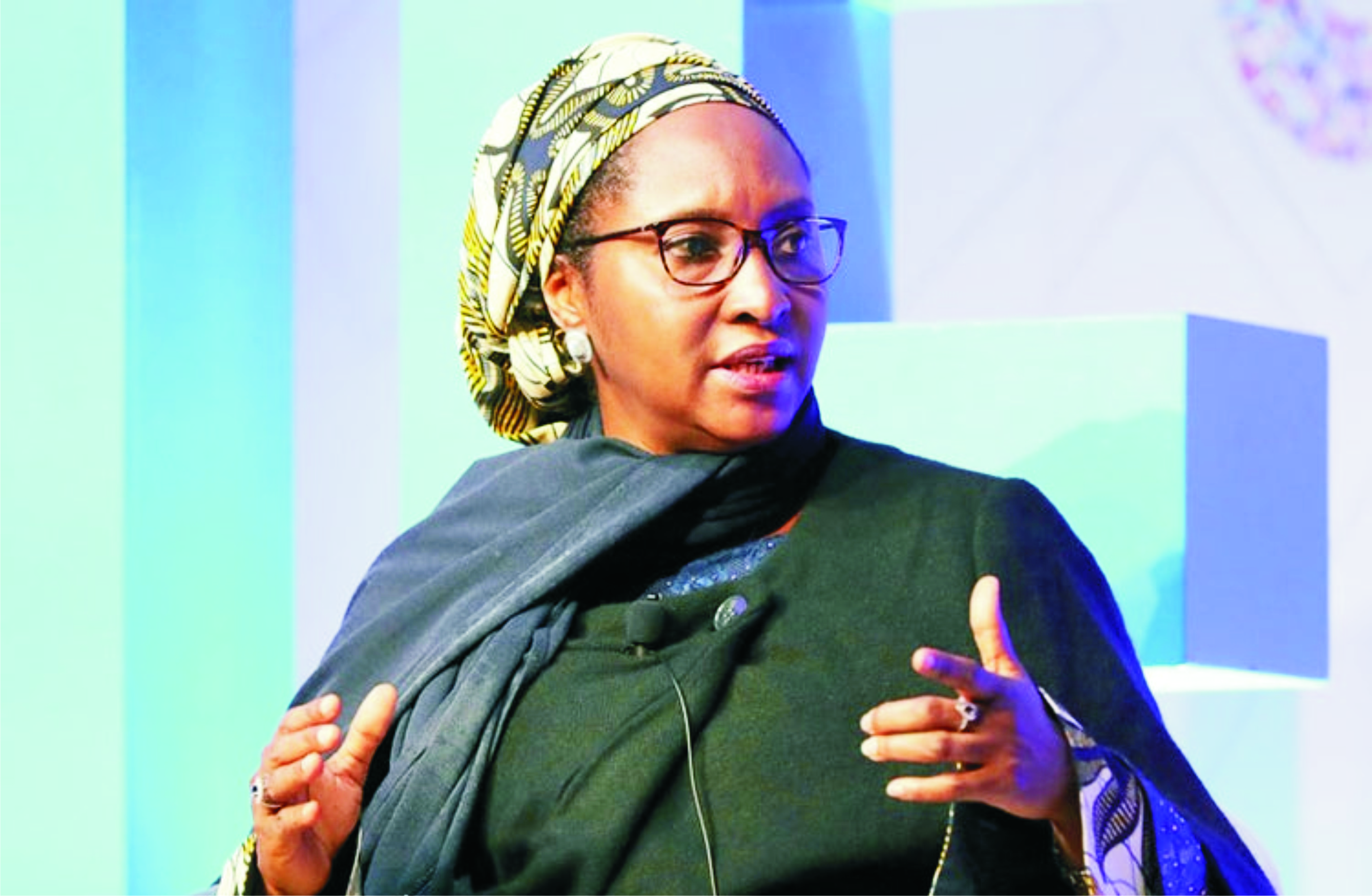
The three tiers of government suffered a shortfall of N413.3 billion in allocation from the federation account within a two-month period covering January and February this year.
The shortfall was arrived at on an analysis of the difference between the projections of the 2020 Appropriation Act and the actual revenues generated and shared among the three tiers of government.
Allocation to the three tiers of government is made monthly by the Federation Account Allocation Committee.
The committee, headed by the Minister of Finance, Budget and National Planning, Mrs Zainab Ahmed, is made up of commissioners of finance from the 36 states of the federation; the Accountant General of the Federation, Mr Ahmed Idris and representatives from the Nigerian National Petroleum Corporation.
Others are representatives from the Federal Inland Revenue Service; the Nigeria Customs Service; Revenue Mobilisation, Allocation and Fiscal Commission as well as the Central Bank of Nigeria.
The federation account is currently being managed on a legal framework that allows funds to be shared under three major components-statutory allocation, Value Added Tax distribution; and allocation made under the derivation principle.
Under statutory allocation, the Federal Government gets 52.68 per cent of the revenue shared; states, 26.72 per cent; and local governments 20.60 per cent.
The framework also provides that Value Added Tax revenue be shared thus: Federal Government, 15 per cent; states, 50 per cent; and LGs, 35 per cent.
Similarly, extra allocation is given to the nine oil producing states based on the 13 per cent derivation principle.
Findings revealed that based on the fiscal assumptions underpinning the 2020 Appropriation Act, monthly FAAC disbursements to the Federal and State Governments were projected at N888.5 billion.
However, due to the significant drop in international oil prices, FAAC monthly disbursements had declined to N716.3 billion in January and N647.4 billion in February.
This implies that the N716.3 billion January allocation represents a shortfall of N172.2bn, while the N647.4 billion shared in February is a shortfall of N241.1 billion when compared to the monthly target of N888.5 billion.



-

 Education2 days ago
FCE Yola Graduates 3,555 Teachers , Seeks Upgrade to University
-

 Sports2 days ago
Nigerian Trio Target Titles At PFL Africa Finals
-

 Niger Delta2 days ago
Diri Restates Stance On Lagos-Calabar Coastal Highway
-

 Niger Delta2 days ago
C’River, NUJ Pay Tribute To Late Guardian Editor
-

 News2 days ago
NDLEA Recovers Tons Of Illicit Drug Consignments In Nine States
-

 Opinion2 days ago
Checking Voter Apathy In Nigeria’s Electoral Process
-

 Politics2 days ago
2027: DICKSON’S EX-ALLY VOWS TO WORK AGAINST NDC INTEREST IN BAYELSA
-

 Politics2 days ago
2027: GROUP PLEDGES 40,000 SUPPORTERS FOR COALITION CANDIDATES IN RIVERS