Connect with us

Opinion

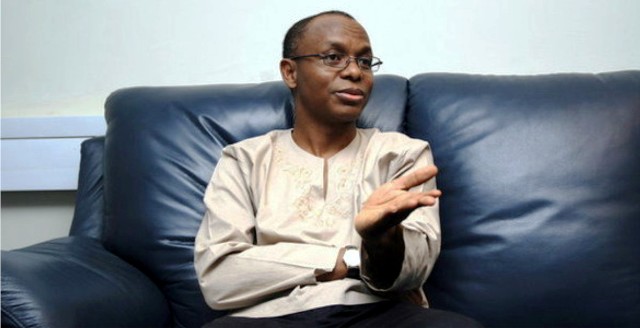
El-Rufai’s Wolf Cry For Igbos

Published

on

As the 2019 general elections draw closer, politicians would want to utilize all available resources and strategies at their disposal to capture their prey, the vulnerable electorate. As a strategic means towards winning elections, enemies would suddenly become friends just to accomplish their aims. After all, in politics, there is no permanent friends, no permanent enemies, but interests.
The South East geo-political zone is visibly shortchanged in all ramifications; infrastructural development, participation in decision making, federal presence and security of lives and properties. Evidently, since after the civil war which ended merely in the field, the war remains intensive in the minds of many Nigerians leading to chronic ethnic hate, religious hurly-burly and marginalization, among others.
Despite the ill-treatment against the Igbos, the South East  remains committed to nation building particularly through radical investment drives across  the country and extension of hands of fellowship to non indigenes.
For instance, Dr. Orji Uzor Kalu appointed a northerner in his government while serving as the governor of Abia State. Similarly, Owelle Rochas Okorocha of Imo State overwhelmingly extended hands of friendship to the northerners in the state and provided them adequate protection.
Without a doubt, the South East, as attested to by the Kaduna State Governor, Mallam Nasir el-Rufai, is synonymous with marginalization since independence in 1960. Unfortunately, the same South East people were recently butchered mercilessly in Kaduna under the watch of Governor el-Rufai without any condemnation of the heinous crimes against humanity. Igbos  have been targets of attacks in the north for several years, some in churches, houses and at business areas. Even young graduates on National Youth Service Corps (NYSC) scheme posted to the north were not spared, yet the new patriot feeling bad for the Igbos never condemned these attacks.
Without mincing words, el-Rufai owes the people of the South East geo-political zone unreserved apologies for all the innocent bloods of their relatives that have been wasted in his state and the north at large by his tribesmen before he could cry wolf over the lopsided appointment of the Federal government against the Igbos. To swiftly lament on the media against the marginalization of the Igbos by the Buhari administration, rather than draw the attention of the Federal Executive Council (FEC) to the ill treatments against the Igbos is political with sinister motives.
For the records, el-Rufai cannot overnight become aficionado of the Igbo nation more than President Buhari who in his two out of four attempts at the presidency picked Igbos; the late  political scientist, Senator Chuba Okadigbo (2003) and Chief Edwin Ume-Ezeoke (2011) as his running mates.
Meanwhile, Mallam el-Rufai who has been in the corridors of power since Chief Olusegun Obasanjo’s administration in 1999 cannot show any instance of patriotism, let alone empowering the Igbos as he did to northerners while in government.
Furthermore, el-Rufai headed OBJ’s political squad then, that almost shattered the constitutional structure of government, to the extent that the nation’s former  Vice President, Alhaji Atiku Abubakar was severally and openly disrespected, verbally attacked and almost gang-beaten at FEC meetings, leading to his tactical withdrawal from attendance till the end of that regime.
Thus, sometimes, while taking messages, the messenger ought to be cautiously scrutinized to ascertain the logic behind the profound messages. Without a doubt, the situation of things in the South East deserves a state of emergency and will inevitably play a crucial role in the next general elections.
If el-Rufai’s plots and calculations towards the 2019 are to grab the presidential ticket of any political party to contest against President Buhari, so as to scheme out the South East of the presidential race, he has goofed.
Meanwhile, the good message of Igbo marginalization may become a designed gizmo to unconsciously elongate the marginalization if care is not taken.
At this point in time, the best all northerners that feel concerned over some inadequacies of the present administration should do is to resourcefully and collectively rally around President Buhari and help him redress unfair policies,  and not to run down the administration in the media with the intention to get sympathy from the  zones that are facing marginalization, and thereby swapping Buhari with another northerner who would certainly go for another two terms.
To the public, Buhari represents the north on a geographical level; hence his success or failure will be accorded as that of the north, the same way it happened to Goodluck Jonathan.
Conclusively, for any northerner, sadly in the same APC, to become its critic overnight, there is certainly a sinister motive.
Umegboro, a public affairs analyst, lives in Abuja.


Carl Umegboro

Continue Reading

Opinion

Making the Out-of-School Children Survey Count 

Published

on

Quote: “Reliable data may reveal the scale of Nigeria’s out-of-school crisis, but only sustained political will and practical action can ensure that every child is given the opportunity to learn, thrive and contribute to national development.”

The Minister of Education, Dr. Tunji Alausa, recently announced that the Federal Government, in partnership with the National Bureau of Statistics (NBS), will conduct a nationwide household survey to determine the actual number of out-of-school children in Nigeria. The exercise is intended to provide reliable data for evidence-based education policies and targeted interventions. Current estimates put the number of out-of-school children at between 15 million and 20 million, placing Nigeria among the countries with the highest number of children excluded from formal education. At first glance, this is a commendable initiative. One of Nigeria’s greatest developmental challenges has been the absence of accurate and reliable data. Without dependable statistics, planning becomes difficult, implementation inefficient, and evaluation of government programmes almost impossible.

The nation’s actual population also remains uncertain because of the absence of an up-to-date national census. Estimates range from below 200 million to over 250 million, making effective planning a daunting task. Sound policies on education, healthcare, housing, employment and infrastructure all depend on credible population statistics. Against this backdrop, the proposed survey deserves commendation. If government succeeds in generating reliable figures, it will be better positioned to allocate resources equitably, identify areas of greatest need and design interventions based on facts rather than assumptions. Accurate data will also make it easier to monitor progress and assess whether efforts to reduce the number of out-of-school children are achieving the desired results.

However, beyond the good intentions lie important questions. Will state governments provide the enabling environment for an objective and transparent survey? Since education is on the concurrent legislative list, the cooperation of state governments will largely determine the credibility of the exercise. Politics could easily influence the process. States with higher numbers of out-of-school children may qualify for greater intervention funds from the Federal Government and development partners. Would this tempt some states to inflate their figures? On the other hand, high numbers could portray a state government as performing poorly in the education sector. Would some governors therefore seek to understate the figures to protect their image? These concerns are legitimate because whenever statistics are tied to political interests or financial benefits, the temptation to manipulate them cannot be ignored.

Equally important are questions about the survey itself. When will it begin? How long will it last? What methodology will be adopted? Will every household be covered, including those in remote rural communities and areas plagued by insecurity? Does the government have the manpower, funding, technology and security arrangements needed for such a nationwide exercise? Nigeria has witnessed several well-intentioned national programmes that fell short because of poor planning and inadequate logistics. Many Nigerians will remember that the proposed national population census scheduled a few years ago was postponed despite extensive preparations. Funding constraints and logistical challenges contributed to its suspension. What guarantees are there that this survey will not suffer a similar fate? More importantly, what becomes of the findings after the exercise? Nigeria is not short of reports or data collection initiatives.

The recurring challenge has been the lack of political will to translate findings into concrete policies and sustained action. The survey must not become another document gathering dust on government shelves. Instead, it should serve as the basis for measurable interventions, continuous monitoring and improved educational outcomes. Beyond producing accurate figures, the survey must also uncover the reasons children remain outside the classroom. Addressing the crisis requires more than counting affected children. It demands an understanding of the social, economic and cultural factors responsible for the problem. Issues such as the Almajiri system and other practices that discourage formal education should be carefully examined while respecting cultural values and protecting every child’s right to quality education. Poverty remains a major barrier, as many parents cannot afford school-related expenses, forcing children into street trading or child labour

Insecurity has also led to the closure of schools in several communities, depriving thousands of children of learning opportunities.Government must therefore complement the survey with practical measures. Strengthening social protection for vulnerable families, improving school infrastructure, recruiting and retaining qualified teachers, enhancing security around schools and enforcing compulsory basic education are all essential. Equally important is sustained collaboration with traditional rulers, religious leaders, civil society organisations and development partners to address the root causes of school exclusion. The proposed survey presents an opportunity to replace guesswork with credible evidence. However, its true value will not be measured by the number of households visited or questionnaires completed. Its success will depend on whether the findings inspire bold policies, adequate funding and sustained action that ensure every Nigerian child, regardless of location or background, has access to quality education. Only then will the exercise move beyond statistics to become a genuine instrument for national development.

By: Calista Ezeaku

Continue Reading

Opinion

African Women: Beyond the Stereotypes 

Published

on

Quote:”The story of the Tuareg women reminds us that Africa is not defined by a single narrative. Across the continent are cultures where women have long enjoyed dignity, influence and authority, proving that Africa’s history is far richer and more diverse than stereotypes suggest.”

For generations, Africa has often been portrayed through a single, narrow lens. News headlines, documentaries and social media feeds have tended to focus on poverty, conflict, disease and political instability, creating the impression that the continent has only one story to tell. While these challenges are real and deserve attention, they represent only a fraction of Africa’s rich history and cultural diversity. Reducing a continent of over a billion people and thousands of ethnic groups to one narrative does a great disservice to its people and heritage. One striking example of Africa’s diversity can be found among the Tuareg people of the Sahara Desert. Spread across Mali, Niger, Algeria, Libya and Burkina Faso, the Tuareg have preserved unique customs for centuries despite the harsh desert environment. Their society challenges many of the assumptions people hold about gender roles, particularly in African and Islamic communities.

Unlike many patriarchal societies where inheritance and authority are passed mainly through men, Tuareg tradition gives women a remarkable degree of respect, influence and autonomy. Family lineage is traced through the mother’s line, making women central to the identity and continuity of the family. This matrilineal system has helped shape a culture where women enjoy privileges that are uncommon in many parts of the world. Traditionally, Tuareg women own the family tents, which symbolise the household itself. They may also possess livestock, jewellery and other valuable property. In many families, women exercise considerable control over household wealth and inherit important possessions from their mothers. These rights are not viewed as extraordinary but as a natural part of their social structure. Marriage customs among the Tuareg are equally fascinating.

Women generally have a significant voice in choosing whom they marry, and divorce carries far less social stigma than it does in many other societies. If a marriage fails, a woman often returns to her family with her property and continues to enjoy the respect of her community. Rather than being treated as outcasts, divorced women frequently remarry if they choose. Such practices demonstrate a long-standing recognition of women’s dignity and independence. Perhaps even more intriguing is the value placed on female education and literacy. Historically, Tuareg women have often been more literate than the men. They preserve ancient poetry, songs and oral traditions that define the identity of their people. Through storytelling and cultural instruction, they pass history and values from one generation to another, ensuring that their heritage survives despite changing times.

Ironically, in Tuareg culture, it is often the men who wear the famous indigo veils that have become synonymous with the “Blue People of the Sahara.” The veil is worn for cultural and spiritual reasons and has become a symbol of maturity and honour among Tuareg men. This reversal of what many outsiders expect further illustrates how dangerous it is to judge societies using stereotypes. However, it is important to avoid replacing one stereotype with another. While Tuareg women enjoy rights that are impressive by many standards, their lives are not without challenges. Modern conflicts, climate change, economic hardship, displacement and political instability have affected Tuareg communities across the Sahara. Like many women worldwide, they continue to navigate social, economic and security concerns. Their story is therefore one of resilience rather than perfection.

The experience of the Tuareg also reminds us that Africa has never been culturally uniform. Across the continent are societies with widely varying traditions concerning leadership, inheritance, marriage and gender relations. Some communities are patriarchal, others matrilineal, while many combine elements of both. Understanding this diversity is essential if we are to appreciate Africa beyond simplistic generalisations. The colonial partition of Africa further complicated many indigenous institutions. European powers drew borders that divided ethnic groups and disrupted long-established systems of governance and social organisation. In some places, colonial administrations replaced or weakened traditional practices that had evolved over centuries. Yet many communities, including the Tuareg, have managed to preserve important aspects of their cultural identity despite these disruptions.

There is an important lesson here for Africans themselves. Too often, people accept narratives about their continent that are written entirely by outsiders. While criticism of Africa’s problems is necessary, celebrating its strengths is equally important. Indigenous knowledge, cultural diversity and historical achievements deserve the same attention as stories of crisis. Doing so creates a more balanced understanding of the continent and inspires confidence among younger generations. The story of the Tuareg women is not merely about female empowerment; it is about the richness of African civilisation. It reminds us that leadership, dignity and freedom can take different forms across cultures. Their example challenges long-held assumptions and encourages a more thoughtful appreciation of Africa’s complexity.

Ultimately, Africa cannot be understood through a single story. Its peoples, languages, traditions and histories are too vast and varied for such reduction. The Tuareg women of the Sahara stand as living proof that beneath the sweeping sands of the desert lies a civilisation whose values continue to surprise and inspire the world. As we seek to understand Africa better, we must move beyond stereotypes and embrace the many stories that together form the true identity of the continent

By: Sylvia ThankGod-Amadi  

Continue Reading

Opinion

Beyond Physical Intimacy In Relationship 

Published

on

Quote:”Love is not sustained by sharing the same bed or displaying affection in public; it is preserved by the daily investment of trust, understanding, empathy, and meaningful conversations. Two people can be physically close yet emotionally distant, because lasting relationships are built not merely on intimacy, but on the consistent nurturing of hearts that remain genuinely connected.”
In an age where relationships are often measured by appearances, social media posts, and outward displays of affection, many couples are discovering a painful truth: physical closeness does not always translate into emotional connection. Two people can share the same bed, hold hands in public, and even maintain a seemingly happy home, yet remain strangers to each other’s deepest thoughts, fears, dreams, and struggles. This reality is captured in the thought-provoking message that emotional intimacy goes far beyond physical intimacy. While physical attraction may ignite a relationship, emotional connection is what sustains it. When emotional bonds weaken, relationships begin to suffer quietly, often long before any visible signs of trouble emerge.
One of the greatest misconceptions about love is the belief that affection alone is enough to keep a relationship healthy. In reality, genuine love requires much more than romantic gestures and physical presence. It requires understanding, communication, trust, empathy, and the willingness to be vulnerable with one another. Without these elements, couples may coexist rather than truly connect. Many relationships today are experiencing a silent crisis. Couples are spending more time together physically but less time engaging meaningfully. Busy schedules, work pressures, financial challenges, digital distractions, and personal ambitions have reduced many conversations to routine exchanges about bills, children, responsibilities, and daily survival. The deeper conversations that nurture emotional intimacy are gradually disappearing.
As a result, many partners feel unseen, unheard, and misunderstood. They may be present in the relationship physically, but emotionally they feel isolated. This emotional distance often creates frustration, resentment, and loneliness. Ironically, a person can feel more alone in a relationship lacking emotional connection than when they are physically alone. The danger of emotional disconnection is that it rarely announces itself loudly. Unlike dramatic conflicts or public scandals, it develops gradually. It starts when couples stop sharing their feelings openly. It grows when assumptions replace communication. It deepens when one partner feels consistently ignored, dismissed, or taken for granted. Over time, the relationship loses its warmth and vitality.This explains why some marriages and relationships that appear perfect from the outside eventually collapse unexpectedly.
 Observers are often shocked because they only saw the physical togetherness, not the emotional distance that had been growing for years beneath the surface. Relationships do not usually break down overnight; they deteriorate through the accumulation of unresolved emotional gaps. Building emotional intimacy, therefore, requires deliberate effort. It is not a one-time achievement but a daily commitment. Emotional connection is built through consistent acts of attention, kindness, and understanding. It develops when partners genuinely listen to each other without judgment. It grows when people feel safe enough to express their fears, disappointments, and aspirations without fear of criticism or rejection. Trust plays a crucial role in this process. Emotional intimacy flourishes in an environment where honesty is valued and confidentiality is respected. When trust is broken, emotional walls quickly rise.
 Rebuilding those walls requires patience, sincerity, and a willingness to heal together. Another important ingredient is empathy. Every individual wants to feel understood. Sometimes partners do not necessarily need solutions to their problems; they simply need someone who listens and acknowledges their feelings. A relationship becomes stronger when both individuals strive to understand each other’s perspectives rather than merely defend their own positions. Quality time is equally important. In a world dominated by smartphones and endless digital distractions, couples must intentionally create moments of genuine interaction. Simple activities such as sharing a meal, taking a walk, discussing personal goals, or praying together can strengthen emotional bonds significantly.
These moments communicate an important message: “You matter to me.” Respect also forms the foundation of emotional closeness. Partners who consistently speak respectfully to each other, even during disagreements, create a healthier environment for intimacy to thrive. Emotional connection cannot flourish where there is constant criticism, ridicule, or contempt. Perhaps the most important lesson is that emotional intimacy is not built by grand gestures alone. It is cultivated through small, consistent actions repeated over time. A thoughtful conversation, a sincere apology, a word of encouragement, or a genuine expression of appreciation can have a profound impact on the health of a relationship. Ultimately, the strength of any relationship lies not merely in physical proximity but in emotional accessibility. The question is not whether two people occupy the same space, but whether they truly know and understand each other.
Lasting love is sustained when hearts remain connected even amid life’s challenges. As society continues to grapple with increasing relationship difficulties, couples must remember that emotional intimacy is not optional; it is essential. Physical attraction may bring people together, but emotional connection keeps them together. It is built daily through communication, trust, empathy, respect, and intentional effort. When emotional intimacy is nurtured, relationships become more resilient, fulfilling, and meaningful. And when two hearts remain genuinely connected, love does not merely survive—it flourishes
By: Sylvia ThankGod-Amadi
Continue Reading

Trending