
News
Customs Partners EFCC, NDLEA, Others To Tackle Money Laundering, Terrorism Financing

The Nigeria Customs Service has stepped up efforts to tackle cross-border money laundering, terrorism financing and other financial crimes by seeking stronger intelligence sharing and operational cooperation with six security and regulatory agencies.
The agencies, including the Economic and Financial Crimes Commission, the National Drug Law Enforcement Agency, the Nigeria Police Force and the Nigerian Financial Intelligence Unit, are expected to strengthen coordinated action against illicit financial flows and criminal networks operating across Nigeria’s borders.
The initiative also involves the Nigeria Immigration Service and the National Counter-Terrorism Centre under the Office of the National Security Adviser.
A statement issued by the customs spokesperson, Abdullahi Maiwada, yesterday, said the collaboration followed a three-day engagement by the Customs Service with the agencies between October 27 and 29, 2026, as part of efforts to address weaknesses in information sharing and improve the detection of suspicious cross-border transactions.
The exercise was led by the Assistant Comptroller-General in charge of Headquarters, Muhammad Shuaibu, who said the engagement was designed to improve coordination among institutions responsible for tackling financial crimes and threats to national security.
Shuaibu said the initiative would go beyond routine consultations by examining practical Customs controls at border stations and strengthening cooperation among relevant agencies.
“The sole objective of this mission is to effectively detect and disrupt cross-border illicit financial flows. The measures include field visits to selected border stations to assess practical Customs control measures and engage with relevant agencies,” he said.
The engagement comes amid persistent concerns over the use of Nigeria’s borders for smuggling, drug trafficking, movement of illicit funds and other transnational criminal activities.
Financial crimes and terrorism financing often involve complex networks that cut across different jurisdictions and require intelligence from multiple institutions. Customs officers, who monitor the movement of goods and cargoes across the country’s borders, are strategically positioned to identify suspicious trade transactions and movements that could be linked to criminal activities.
However, the effectiveness of such interventions depends largely on the ability of security and financial intelligence agencies to exchange information and act on shared intelligence.
Speaking during the engagement, the Chief Executive Officer of the NFIU, represented by the Chief Operating Officer, Intelligence Security Service Sector, Muhammed-Mustapha, commended the Customs Service for its role in border security and efforts to combat smuggling.
He described the relationship between both institutions as longstanding, noting that Customs was among the earliest agencies to collaborate with the financial intelligence unit when it was established.
“When NFIU was created, NCS was the first to collaborate with us. No particular agency understands things better than how Customs does globally,” Mustapha said.
The World Customs Organisation mentoring team, led by Shahiduzzaman Sarkar, also participated in the engagements, sharing approaches to combating money laundering and terrorism financing.
The team urged stronger collaboration with the Customs Service, stressing the importance of coordinated institutional responses to financial crimes.
Despite the renewed commitment, the discussions exposed some challenges that could undermine the proposed cooperation.
Participants identified communication gaps, bureaucratic bottlenecks and concerns over database privacy as some of the obstacles affecting information sharing among government agencies.
The agencies subsequently examined ways to address the problems and improve institutional coordination to ensure that intelligence could be exchanged and acted upon more efficiently.
The engagement also featured the presentation of Nigeria Customs Service awards and World Customs Organisation certificates to participating agencies in recognition of their contributions to the initiative.
Meanwhile, the Customs Service has also taken its modernisation programme to the international stage, showcasing its digital transformation efforts and the deployment of emerging technologies to improve border management and facilitate legitimate trade.
The Service presented its reforms at the World Customs Organisation Smart Customs Project Global Event 2026, held at the WCO headquarters in Brussels, Belgium, from October 29 to 30.
Represented by an Assistant Comptroller, Omolara Adedeji, the NCS highlighted its Unified Customs Management System, known as B’Odogwu, alongside its investments in artificial intelligence, data analytics and electronic cargo tracking.
In a presentation titled, “Nigeria Customs Service: The Journey Towards Smart Customs,” she said the modernisation programme was aimed at improving operational efficiency, strengthening risk management and making trade processes more transparent.
“The NCS is undergoing a deliberate transition from traditional Customs operations towards integrated digital operations. Through the Service’s Modernisation Project, we are strengthening automation, electronic processing and data-driven decision-making to build a more efficient, responsive and technology-driven Customs administration,” she said.
Adedeji identified smart technology and smart data as the two major pillars of Nigeria’s Smart Customs vision.
She explained that smart technology involved automation, integrated systems, digital platforms and modern information and communications technology infrastructure, while smart data focused on intelligence-led interventions, data-driven risk management, analytics and improved information sharing.
The presentation also highlighted B’Odogwu, the Unified Customs Management System, as a major component of the modernisation programme.
The platform is designed to support automated Customs procedures, electronic processing and improved engagement with government agencies and private-sector operators.


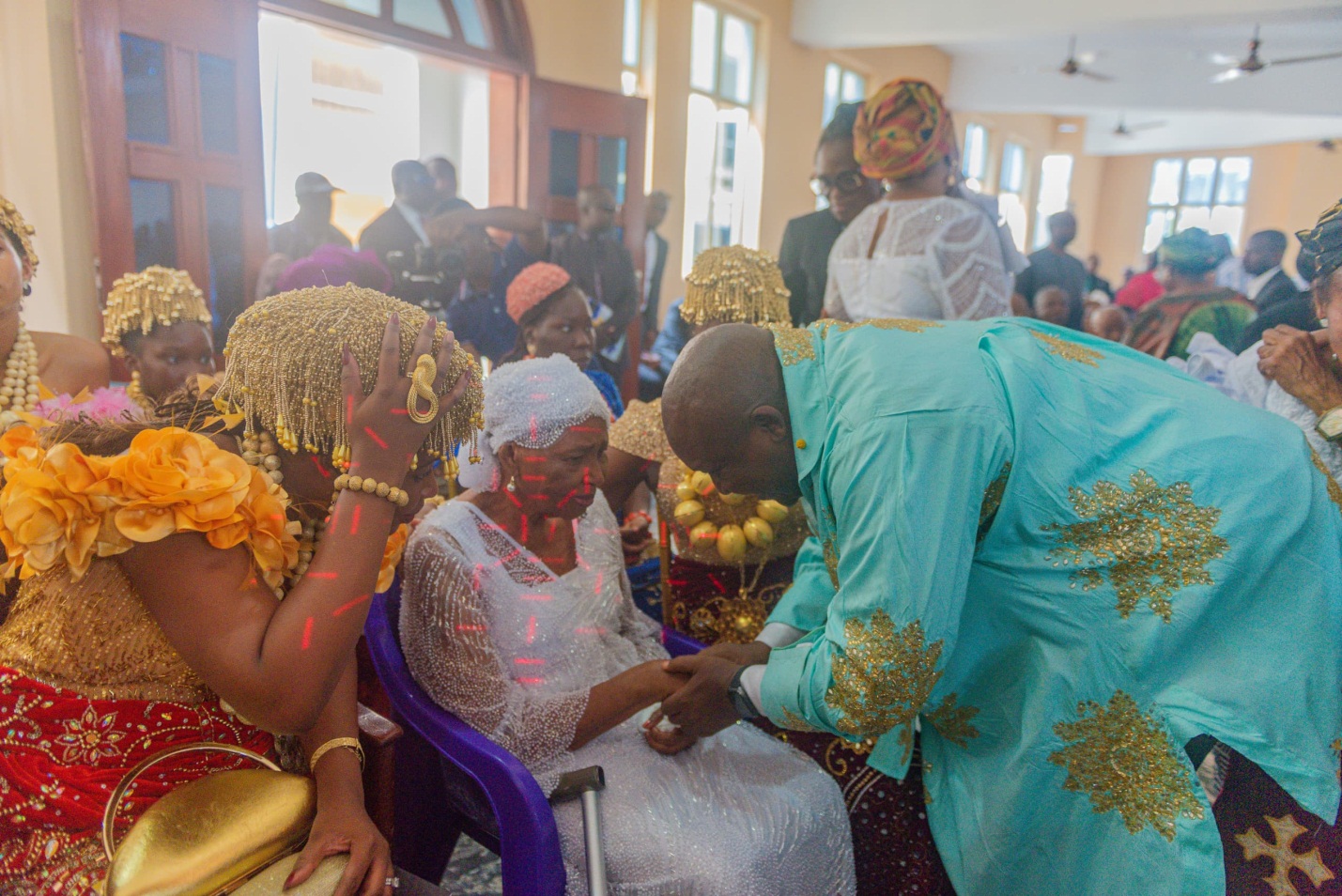
Rivers State Governor, Sir Siminalayi Fubara, has described the late Chief Albert Korubo Horsfall as a distinguished statesman whose contributions to national development brought honour and distinction to the Kalabari Kingdom and Rivers State.
Fubara said Horsfall’s life of service, patriotism, integrity and commitment to humanity had left an enduring legacy that would continue to inspire generations.
The governor spoke through the Secretary to the Rivers State Government, Dr Dagogo Wokoma, at the funeral service of the late elder statesman last Saturday in Buguma, Asari-Toru Local Government Area of the State.
He described Horsfall as a patriotic Nigerian whose leadership and dedication to the country’s development earned him a place in the nation’s history.
“Chief Horsfall was a distinguished statesman whose life was defined by service, patriotism, integrity and commitment to humanity.
“His contributions to our nation, particularly through his service as Director-General of the State Security Service, pioneer Director-General of the National Intelligence Agency and Chairman of OMPADEC, remain significant milestones in our national history,” Fubara said.
The governor noted that the late Horsfall’s contributions to national security, intelligence administration and the development of the Niger Delta would remain part of his enduring legacy.
“His legacy of leadership, national service and dedication to development will remain an enduring source of inspiration to generations yet unborn,” he added.
Fubara urged the bereaved family, the Kalabari people and other Nigerians to uphold the values of peace, unity and selfless service exemplified by the late elder statesman.
The funeral service attracted several dignitaries, including the Director-General of the Department of State Services (DSS), the Director-General of the National Intelligence Agency (NIA), a representative of the Bayelsa State Governor, the Managing Director of NDDC, Chairman of PENDEF and the Regent of the Kalabari Kingdom.
Also in attendance were the Rivers State Commissioner for Education, the Commissioner for Special Projects and other government officials, traditional rulers and stakeholders.
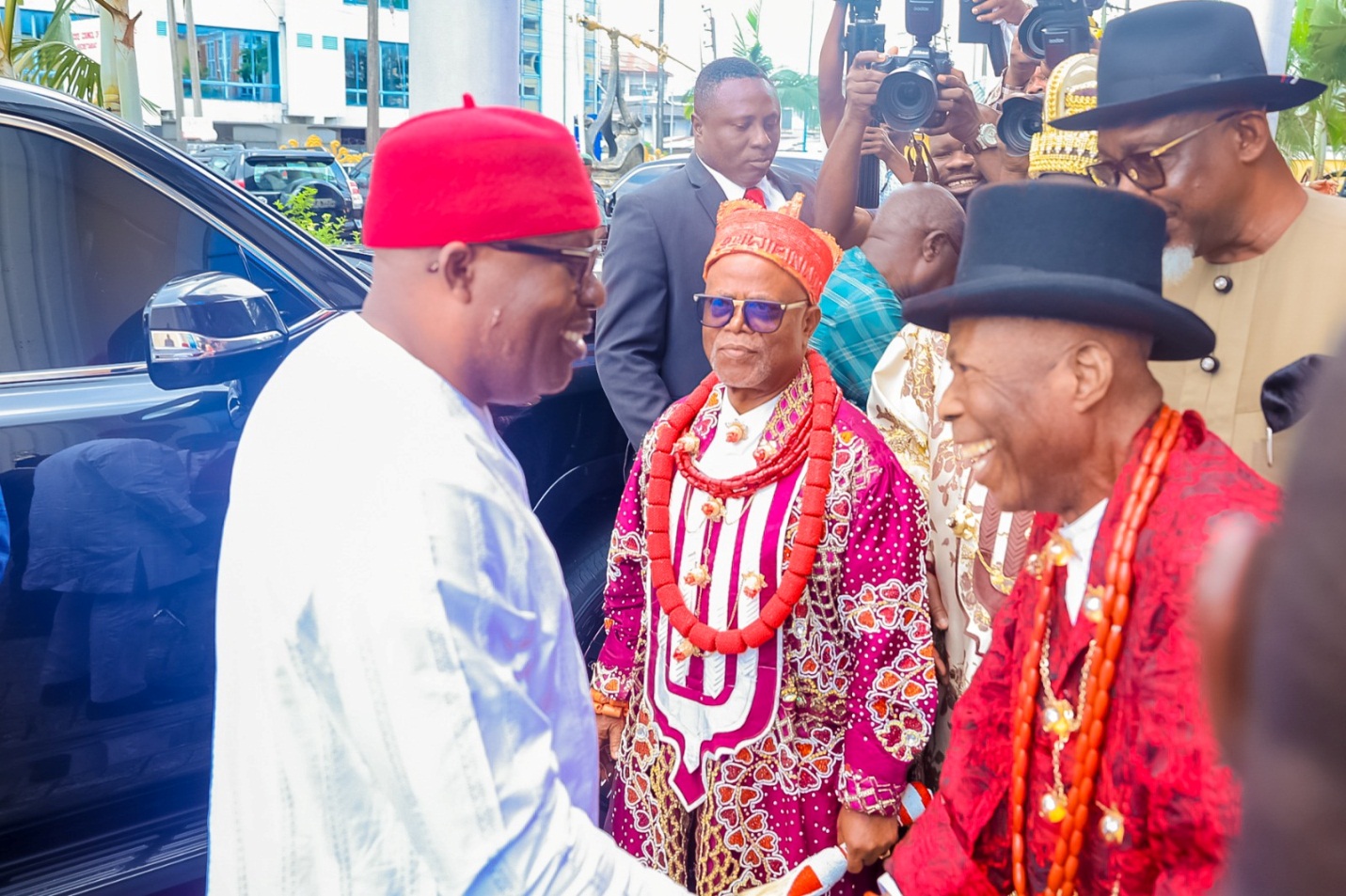
Rivers State Governor, Sir Siminalayi Fubara, has reaffirmed his administration’s commitment to partner with local government councils that prioritize the welfare and development of people at the grassroots.
Fubara stated this last Thursday in Nkoro Town during the commissioning of the newly built Sir Siminalayi Fubara Corps Members’ Lodge, executed by Hon. James A. James, the Chairman of Opobo/Nkoro Local Government Area.
Represented by his Chief of Staff, Mr Sunny Ewule, the governor said the project goes beyond a building to represent hope, hospitality and responsible leadership.
According to him, providing decent and safe accommodation for Nationl Youth Service Corps (NYSC) members who leave their comfort zones to serve in communities is the least government can do.
“Today we are not just commissioning a building, we are commissioning hope, hospitality and responsible leadership. The Chairman of Opobo/ Nkoro LGA, Hon. James A. James has understood a very simple truth that those who come to serve us must serve with dignity,.
“Our young graduates who serves under the NYSC scheme leave the comfort of their homes and travel far to contribute to our communities, they teach our children, they work in our health centres, and they become parts of our families.
“The least we can do is give them a decent, safe and befitting place to lay their heads. What Hon. James A. James has done today is in total alignment with the vision of this administration, an administration that believes in people, that prioritises welfare and that believes development must be felt in every local government and not just in Port Harcourt” he said.
Fubara further urged the beneficiaries of the corpers lodge to make good use of the facilities of the newly built edifice and be good ambassadors of Nigeria, respect the culture and traditions of the host community while continue to serve with dedication and patriotism.
“This Corpers lodge will enhance the security and welfare of serving corps members, boost their morale and make Opobo/Nkoro and even more attractive place for posting, it is a strategic investment in human capital and in peace building,” he said.
He commended the Opobo/Nkoro Council Chairman for aligning with his administration’s vision of ensuring development is felt in all 23 local government areas of the State, and not just in Port Harcourt, adding that the lodge is a strategic investment in human capital, security and peace building.
In his goodwill message, the Rivers State NYSC Coordinator, Mr. Moses Oleghe, said the accommodation was 85 percent of Corps members’ challenges.
Oleghe thanked Governor Fubara for the recent increase in the State allowances for Corps members to N35,000 for those in 21 rural areas and N20,000 for those in Obio/Akpor and Port Harcourt City LGAs, describing the gesture as a moral booster for the corps members.
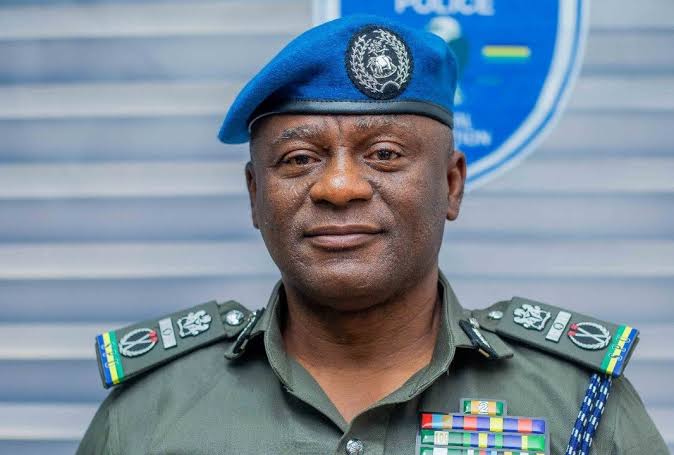
The Inspector-General of Police, IGP Olatunji Disu, has secured an offer of specialised training for up to 5,000 Nigerian police personnel under a proposed security cooperation involving Nigeria, the United States and Italy.
The Force Public Relations Officer, CSP Ani Iniedu, disclosed this in a statement issued at the Force Headquarters, Abuja, at the weekend.
The initiative is aimed at strengthening the operational capacity of the Nigeria Police Force to tackle insurgency, terrorism, kidnapping, arms trafficking and other emerging security threats across the country.
According to the statement, the proposed training programme will focus on counter-insurgency operations, intelligence-led patrols and tactical operations, particularly in difficult rural and forested environments.
Other areas of training include critical infrastructure protection, digital and scientific forensics, cybercrime investigations, explosives detection, financial investigations, asset tracing and anti-extortion operations.
The programme is expected to extend beyond the Police Mobile Force to other specialised units, including explosive ordnance disposal and forensic teams.
As part of the engagement, Disu met with the Commander-General of the Italian Carabinieri, Lieutenant-General Salvatore Luongo, to explore areas of technical assistance, professional training and institutional cooperation.
The police chief and his delegation also visited the Carabinieri Centre of Excellence for Stability Police Units in Vicenza, Italy, where they assessed training facilities and explored opportunities to adapt specialised policing programmes to Nigeria’s security needs.
Proposals discussed during the visit included command courses for 40 senior police officers, leadership training for 100 junior commanders and the deployment of a mobile assistance team to support Police Mobile Force training schools in Gwoza, Borno State, and Ila-Orangun, Osun State.
The discussions also covered the development of a national stability policing doctrine and standard operating procedures to improve professionalism, operational coordination and civilian protection, particularly in communities recovering from conflict.
Other areas of proposed cooperation include canine operations, forensic science and mounted policing, including horse breeding and local capacity development for effective public order management.
To formalise the proposed partnership, the IGP has initiated moves towards a Memorandum of Understanding covering specialised training, technology transfer and operational procedures.
He also invited an Italian Carabinieri assessment team to Abuja to identify priority needs and develop implementation arrangements.
Disu reaffirmed the commitment of the Nigeria Police Force to international partnerships that will strengthen operational readiness, improve investigative capacity and enhance the protection of lives and property.
The statement did not, however, indicate when the proposed training programme would commence or provide a definite implementation timetable.
-
Opinion3 days ago
Ancestorial Worship: My Take (1)
-

 News3 days ago
FG Must Address Nigerians’ Concerns On Reforms -Shettima …Warns Against Misuse of AI, Social Media
-

 Featured3 days ago
Tinubu Jets To S’Arabia For Lesser Hajj …Unveils Free Healthcare For Pensioners
-
Niger Delta3 days ago
Police Rescue Woman, 24, From Online Dating Kidnappers … Arrest Five Suspects
-
 Featured3 days ago
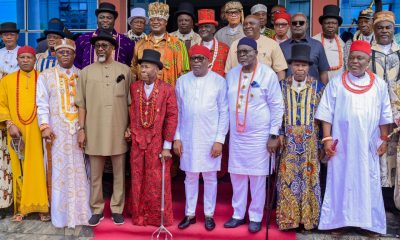
2027: Be Politically Neutral, Fubara Tasks Traditional Rulers
-
News3 days ago
FG Approves King Amachree Airport In Rivers, Sets Conditions For Construction
-
News3 days ago
Lawmaker Sets Sights On Assembly Return …As Mammoth Crowd Grace Flag Handover Rally
-
News3 days ago
RSG, Peter Odili Cardiovascular Hospital Move To Promote Early Breast Cancer Detection