
Business
Economy: Varsity Don Blames Graft, Mono-Product

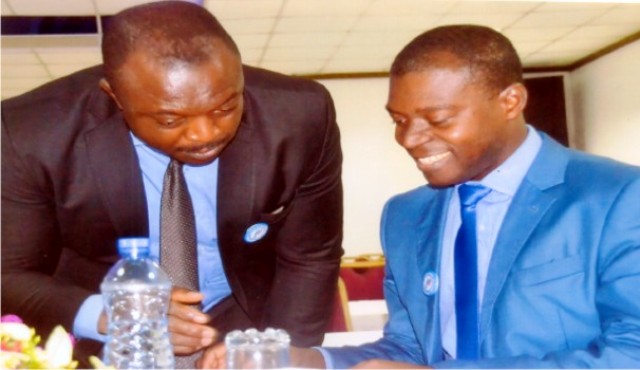
A lecturer at the Depart
ment of Economics at the University of Port Harcourt, Prof. Willy Okowa has said that over dependence on crude oil proceeds and systemic corruption are the two major factors that have affected Nigeria’s economy, 56 years after independence.
The University don in an interview with newsmen recently in Port Harcourt said Nigeria has drifted from a production economy to a consumption based one.
“From the end of the civil war, we felt that with oil money we could buy anything we want to buy, all over the world”, he said.
According to Okowa, that was where Nigeria miscalculated and had everything wrong.
He said the country’s attention was only focused towards oil and its corresponding wealth.
“That is were we got it wrong because our whole attention, the fabric of our society, was titled away from production into consumption”, he said.
According to him, there was a kind of scramble from many quarters to have a share of the oil wealth without minding the long-term consequences on the economy of the nation.
“Nigeria plus systemic corruption, plus indiscipline, is equal to Rwanda plus, Somalia plus Yugoslavia is equal to death” he enthused.
He stated that he published the above quote in 1994, even as he said it was unfortunate that the country was drifting towards what he wrote far back in 1994.
The UNIPORT Professor said one major step government can take to prevent what he described as the doomsday is for the Nigerian state to return crude oil back to the Niger Delta people, and correspondingly develop all other sectors of the economy.
“Once the Nigerian state took over the oil wells, it created what I call “Abdolistic caprism”.
Abdol was an Arabic legend who lived all his life thinking of how to make money without working.
He explained that the attitude of many Nigerians could be likened to the Arabic legend.
“Suddenly we no longer want to work and the price of oil has dropped and the government is trying to do diversification to no avail”, he lamented.
Okowa disclosed that every state in Nigeria has the capability to run its economy effectively by exploring and exploiting its mineral resources and also pay workers salaries as at when due.
“There is no state in Nigeria that does not have what it takes to pay salaries of its workers. “Agriculture is there, solid minerals and other God-given wealth are scattered all over the country”, he said.
He explained that in the past, he had raised the fundamental question of returning the oil wells to the Niger Delta as a solution to the economic problem of the country, so that the rest of the Nigerian people can go back to work.


-
Maritime5 days ago
Nigeria To Pilot Regional Fishing Vessels Register In Gulf Of Guinea —Oyetola
-

 Sports5 days ago
Gombe-Gara Rejects Chelle $130,000 monthly salary
-
Maritime5 days ago
Customs Declares War Against Narcotics Baron At Idiroko Border
-

 Sports5 days ago
TEAM RIVERS SET TO WIN 4×400 ” MORROW” …Wins Triple jump Silver
-

 Sports5 days ago
NPFL Drops To 91st In Global League Rankings
-
Maritime5 days ago
NIMASA,NAF Boost Unmanned Aerial Surveillance For Maritime Security
-

 Sports5 days ago
NIGER DELTA GAMES PANACEA TO YOUTH DEV”
-

 Sports5 days ago
NPFL Impose Fines On Kwara United Over Fans Misconduct