Connect with us

Opinion

A New Dawn For Nigeria?

Published

on

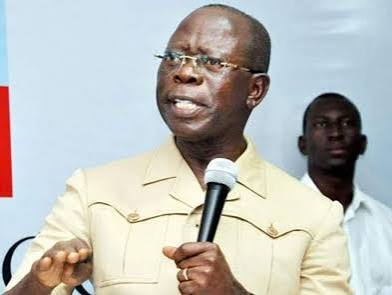
Many Nigerians appear to be embracing the emergence of Dr. Goodluck Jonathan as the Acting President of the Federal Republic of Nigeria with grace. The indications are that the nation’s hopes are rising after its many years of discontent and dark nights.

Nigerians now hope that very soon the electric power problem will be a thing of the past. They hope that the 2011 elections will be free, fair, and credible.

They hope that the stubborn problems of corruption and greed will be given a deadly blow this time around. They hope that the amnesty programme and other developmental issues affecting the Niger Delta will receive extra attention. They hope that the poverty and unemployment dilemma in the land will be alleviated.

They hope that the ailing industries and other critical sectors of the economy will be revitalised. And they hope that the country’s image will brighten up and its vulnerability in international  relations will be forestalled.

But I believe that with the rising expectations, many questions are agitating the minds of a lot of well-meaning Nigerians as to how these challenges can be met within the very short time of the administration. My questions are: what are the programmes and what are the actions for the fulfillment of these high hopes?

A major trouble with Nigeria is that many of its public office holders are ill-informed about the problems facing their ministries or departments. They get into their offices without detailed analysis of the challenges they are to tackle and without a well-planned programme they are to execute both in the short run and in the long-run. In Advanced societies both the intellectuals and men in public life study and publish detailed analysis of concrete matters which go to the parliament for consideration.

But in Nigeria, many of the public officers are helpless because of lack of research works and literature on their specific duties and responsibilities. Thus the Professor of Economics and International Affairs challenged African intellectuals to write more based on detailed study that will lead to practical constructive proposals. He said in his book Some Aspects of Economic Development. “our intellectuals should try to ensure that any group of politicians which comes to power does so knowing in advance what the main issues are, and what the snags are in each of the possible solutions. To him, our political parties should have research departments and groups should be formed to provide public officers with concrete information about various decisions which government has to make.

The new dawn Nigerians are hoping to experience within the next few months will be a mirage if the newly appointed ministers do not, without further delay, come up with their programmes of action for public assessment, contributions, and participatory development.

This means that Dr. Jonathan and his team are expected to depart completely from the old practice of primacy of politics approach in which political expediency and spontaneity outweigh rational-technical questions of selecting alternatives that have the greatest potential of propelling the country to greater heights. My former teacher and Professor of Political Economy, Patrick Ollawa explained in his book Participatory Democracy in Zambia, that primacy of politics exists in the process of policy and decision making when: “Many policy issues and/or major government decisions are not operationalised first within proper research context with a view to obtaining detailed knowledge of the range of policy options, including the probable implications of their implementations or non-implementation, but rather represent political addresses and declarations…”

The point being made here is that Dr. Jonathan should make preparation of consciously directed programmes of action by his ministers an integral part of his administration. Why? Because the country cannot afford to waste its scarce resources and limited skilled manpower on unproductive ventures or projects which are not necessarily related to the central objectives of the national goals but merely represent pet ideas or specific interests that certain key public officers or politicians wish to see realised.

Besides, the programmes and policies should be promulgated with full understanding, in advance of the possibility of their implementation given the prevailing circumstances and available resources. This is because preparing a programme is an exercise of the imagination. It is in the implementation of any programme or plan that one struggles with reality.

Thus for Dr. Jonathan to realize his dream of making a difference in the governance of the Nigerian nation, he must establish a conducive institutional arrangement where facts, opinions, instructions and ideas can be transmitted without bottlenecks in the process of programme implementation. This requires that all important decision-makers, public and private, who will have a hand in the implementation of the programme must be represented in its preparation.

The present situation in the country is that, in most cases, even some top officials of ministries are usually not aware of nor familiar with their ministries’ projects, effective system of public administration which is both honest and efficient in programme implementation is lacking, and public co-operation in the execution of the programmes is hardly elicited.

If Dr. Jonathan does not act now to stimulate participatory development through deliberate efforts on the part of government to evolve programmes and implementation machinery that will speed up the process of the country’s social, political, and economic progress, Nigerians’ hope for a new dawn will be like an orange in the sun which dries up sooner than later.


Vincent Ochonma

Continue Reading

Opinion

Good Health Through Socrates’  Prescription 

Published

on

Quote: “In an age of advanced medicine and endless health information, the greatest prescription may still be the oldest one: know yourself. True health begins when we understand our bodies, emotions, habits and choices.”
The 21st century has ushered in extraordinary progress in science, technology and medicine. Diseases that once claimed millions of lives can now be prevented or treated. Information is available instantly, while fitness applications, health trackers and modern healthcare facilities have become part of everyday life. Yet, despite these advances, many people continue to struggle with physical illnesses, emotional stress, anxiety, depression and lifestyle-related diseases. This contradiction raises an important question: Why are people becoming increasingly unhealthy in an age of remarkable medical advancement? Part of the answer may lie in the timeless wisdom associated with the ancient Greek philosopher Socrates: “Know thyself.” Though spoken more than two thousand years ago, these words remain profoundly relevant today. They remind us that genuine wellbeing begins with self-understanding.
Knowing oneself goes beyond knowing one’s name, occupation or social status. It involves understanding one’s body, emotions, habits, strengths, weaknesses and aspirations. It means recognizing how daily choices affect physical, mental and emotional health. In many respects, self-knowledge forms the foundation of healthy living. One of the greatest health challenges today is the tendency to ignore warning signs until serious problems emerge. Many people neglect symptoms such as persistent fatigue, poor sleep, chronic stress, unhealthy eating habits and lack of physical activity. Because they are disconnected from their bodies, they fail to recognize that their health is gradually deteriorating. A person who truly knows himself pays attention to these signals. Such an individual understands which foods nourish the body and which habits undermine health. They recognize when rest is necessary,
when stress levels become dangerous and when professional medical attention should be sought. Self-awareness encourages preventive action long before illness develops. The same principle applies to mental and emotional health. Modern life is filled with pressures. Social media often encourages unhealthy comparisons, while economic challenges, family responsibilities and workplace demands create enormous psychological burdens. Many people suffer silently because they have not learned to understand or manage their emotions. Knowing oneself means recognizing emotional triggers, vulnerabilities and sources of stress. It involves identifying feelings of anxiety, sadness, anger or frustration before they become overwhelming. Self-aware individuals are more likely to seek support, adopt healthy coping mechanisms and maintain emotional balance.
Self-knowledge also promotes discipline. Many of today’s health problems are linked to lifestyle choices. Excessive consumption of processed foods, alcohol abuse, smoking, substance misuse, physical inactivity and poor sleeping habits contribute significantly to disease burdens around the world. Most people are aware of these risks. The challenge is often not a lack of information but a lack of self-understanding. Individuals who understand their motivations, weaknesses and tendencies are better equipped to resist harmful habits and develop healthier routines. In this way, self-knowledge becomes a powerful tool for self-control. Socrates also taught that “the unexamined life is not worth living.” While philosophical in origin, this statement has practical implications for health. Examining one’s life encourages honest reflection. Are we eating wisely? Are we exercising enough?
Are we sleeping adequately? Are we managing stress effectively? Are we maintaining healthy relationships? These are not merely philosophical questions. They are essential components of a healthy lifestyle. Honest answers can reveal habits that require improvement and inspire positive change. Ironically, while technology has made health information more accessible, it has also made self-understanding more difficult. Many people spend hours following social media trends and public personalities while paying little attention to their own health. They know more about celebrities than they know about their blood pressure, sleep quality or emotional wellbeing. A healthier society will require more than modern hospitals and advanced medications. It will require citizens who actively seek to understand themselves. Preventive healthcare begins with personal awareness.
Parents, educators, religious leaders, healthcare professionals and policymakers all have important roles to play in promoting self-awareness. Young people should be taught not only academic subjects but also emotional intelligence, self-reflection, healthy lifestyle habits and personal responsibility. Ultimately, Socrates’ ancient wisdom remains as relevant today as it was centuries ago. A person who understands himself is more likely to make healthy decisions, maintain emotional stability, build resilience and seek help when necessary. The journey to good health does not begin in a hospital, pharmacy or gymnasium. It begins within. As the world continues to confront complex health challenges, perhaps the most powerful prescription requires no expensive technology or medication. It is the enduring wisdom that has stood the test of time: know yourself. In understanding ourselves, we discover one of the surest paths to healthier, happier and more meaningful lives.
By: Sylvia ThankGod-Amadi
Continue Reading

Opinion

Ending FGM For Good 

Published

on

Quote: “A society that wounds its daughters in the name of culture cannot truly claim to value its future. Female Genital Mutilation is not a tradition to preserve but a harmful practice that must end for the sake of our girls, families and nation.”
Female Genital Mutilation (FGM) remains one of the most harmful practices inflicted on women and girls in many parts of Africa and beyond. It is a painful and unnecessary procedure that subjects innocent girls to physical, emotional and psychological trauma. Rooted largely in cultural beliefs, tradition, ignorance and social pressure, FGM continues to threaten the health, dignity and future of millions of women despite widespread condemnation by governments, health professionals and international organizations. FGM involves the partial or total removal of external female genitalia or other injury to female reproductive organs for non-medical reasons. Over the years, various justifications have been offered for the practice, including cultural identity, social acceptance and the control of female sexuality. Yet none of these reasons can outweigh the severe health risks and human rights violations associated with it.
The annual observance of the International Day of Zero Tolerance for Female Genital Mutilation serves as a reminder that behind every statistic is a young girl whose life may have been permanently altered by a practice she never consented to. Across the world, survivors continue to tell stories of pain, complications, emotional distress and, in some cases, death. Medical experts have consistently warned about the dangers of FGM. The practice can lead to severe bleeding, infections, chronic pain, infertility, complications during childbirth, urinary tract problems, sexual dysfunction and even death. Beyond the physical consequences, many survivors endure emotional and psychological trauma that affects their confidence, relationships and overall quality of life. Given these devastating consequences, it is difficult to understand why FGM continues to be promoted in some communities.
No cultural practice should be allowed to endanger lives or deprive individuals of their dignity and fundamental rights. The health and well-being of women and girls must always take precedence over customs that have outlived their relevance. Recognizing these dangers, the United Nations, the African Union, national governments and civil society organizations have continued to campaign against FGM. Nigeria has joined the global movement through legislation, advocacy and public enlightenment programmes aimed at protecting girls and encouraging communities to abandon harmful traditions. In Rivers State, efforts to eliminate FGM have gained momentum through partnerships involving government agencies, UNICEF and other development organizations. Sensitization programmes in communities such as Emohua, Ahoada East and Ahoada West have focused on strengthening networks of survivors and empowering them to become advocates for change
Such initiatives are significant because they take the campaign directly to communities where harmful practices often persist. Education remains one of the most effective weapons against FGM. Many families continue the practice simply because it has been passed down through generations. Public awareness campaigns, school programmes and engagement with traditional and religious leaders can help challenge misconceptions and encourage healthier alternatives. It is equally important to note that there is no universally accepted religious requirement for FGM. Many respected religious leaders have repeatedly clarified that the practice is more cultural than religious. This understanding is essential if communities are to separate faith from harmful customs. The fight against FGM is ultimately a fight for human dignity.
Every girl deserves the right to grow up healthy, safe and free from violence. Every woman deserves control over her own body without being subjected to harmful procedures in the name of tradition. While Nigeria has enacted laws prohibiting FGM, legislation alone is not enough. Enforcement must be strengthened, and communities must be encouraged to report violations without fear. Parents and guardians must understand that protecting children means safeguarding them from avoidable harm, not exposing them to it. The global target of eliminating FGM by 2030 is ambitious but achievable. Success will depend on the sustained commitment of governments, civil society groups, healthcare providers, traditional institutions and ordinary citizens. History has shown that societies can overcome deeply rooted practices when there is collective determination. Just as humanity united against slavery and other harmful customs, it can also eliminate FGM.
As we look toward 2030, the message must remain clear: Female Genital Mutilation has no place in a modern and compassionate society. Let us stand together to protect the girl child, uphold human dignity and ensure that future generations of women are free from this painful and unnecessary practice.
David Ejiohuo is an intern with The Tide Newspaper.
By: David Ejiohuo
Continue Reading

Opinion

Tackling Nigeria’s Health Sector Challenges

Published

on

Quote: “A nation’s health system is not measured by promises made, but by the quality of care available to its people when they need it most.” mm
Every year on April 7, Nigeria joins the rest of the world in commemorating World Health Day, a day dedicated to reflecting on global health challenges and strengthening healthcare systems. The occasion, which marks the anniversary of the establishment of the World Health Organization (WHO), is often accompanied by speeches and policy declarations highlighting government efforts in the health sector. This year was no different. The Minister of State for Health and Social Welfare, Iziaq Adekunle Salako, reaffirmed the commitment of President Bola Ahmed Tinubu’s administration to improving healthcare delivery. Across the states, governments showcased their interventions, with Governor Siminalayi Fubara reiterating efforts to position Rivers State as a health tourism hub. While such declarations may inspire hope, they also raise an important question: how much of this commitment is reflected in the daily realities of ordinary Nigerians?
Despite years of promises and reforms, the nation’s health sector remains burdened by structural deficiencies, inadequate funding, and policy inconsistencies. The result is a system struggling to meet the needs of a growing population. One of the most pressing challenges is the continued migration of healthcare professionals. Doctors, nurses, pharmacists, and other skilled personnel are leaving the country in large numbers in search of better remuneration, improved working conditions, and greater career opportunities abroad. This persistent brain drain has widened the gap between available healthcare workers and the population they serve. With too few professionals left to cater for millions of Nigerians, hospitals are overstretched, waiting times are longer, and the quality of care is often compromised. Rural communities suffer the most, as many health facilities lack qualified personnel, forcing residents to travel long distances for basic medical attention.
Closely linked to this challenge is inadequate funding. For decades, budgetary allocations to health have remained below internationally recommended levels. Consequently, many public hospitals operate with obsolete equipment, poor infrastructure, and shortages of essential medicines. In several facilities, healthcare workers are compelled to improvise under difficult conditions, reducing the effectiveness of service delivery. The high cost of healthcare is another major concern. With only a small percentage of Nigerians covered by health insurance, most citizens pay for medical services directly from their pockets. For many households already grappling with economic hardship, healthcare expenses can be overwhelming. As a result, people often delay treatment, resort to self-medication, or seek help from unregulated providers, worsening health outcomes and deepening poverty.
Healthcare inequality between urban and rural areas further compounds the crisis. While major cities generally have better-equipped hospitals and a higher concentration of medical professionals, many rural communities are served by underfunded or non-functional primary healthcare centres. This imbalance leaves millions of Nigerians without access to quality healthcare and reinforces existing social and economic disparities. Industrial disputes have also become a recurring challenge. Strikes by healthcare workers, often triggered by unpaid salaries, inadequate welfare packages, and poor working conditions, continue to disrupt services and put lives at risk. The recent suspension of a nationwide strike by the National Association of Resident Doctors over salary arrears, hazard allowances, and residency training funding once again highlighted unresolved issues within the sector.
Another serious concern is the proliferation of counterfeit and substandard drugs. Weak regulatory enforcement allows fake medicines to find their way into the market, undermining treatment outcomes and endangering lives. Tackling this menace requires stronger oversight, stricter sanctions, and improved coordination among relevant agencies. Addressing these challenges demands more than ceremonial speeches or periodic interventions. Healthcare is not a luxury; it is a fundamental component of national development. A healthy population is essential for economic productivity, social stability, and sustainable growth. The theme of this year’s World Health Day, “Together for Health: Stand with Science,” underscores the importance of evidence-based policymaking and investment in innovation. Advances in medical science, digital health technology, vaccines, and diagnostics have transformed healthcare globally.
 Nigeria must position itself to benefit from these innovations through increased investment in research, technology, and partnerships involving government, academia, and the private sector. More importantly, there must be sustained political will to implement reforms. The Federal Government should increase budgetary allocations to health, strengthen institutions, and ensure effective implementation of healthcare policies. State governments must also recognize their responsibility in delivering quality healthcare and invest accordingly. Retaining healthcare professionals should be a top priority. Better remuneration, improved working conditions, opportunities for career advancement, and incentives for service in rural communities would help reduce the exodus of skilled personnel. Expanding health insurance coverage is equally critical to reducing out-of-pocket expenses and making healthcare more accessible to vulnerable populations.
Strengthening primary healthcare is another urgent necessity. As the first point of contact for most Nigerians, primary healthcare centres must be adequately equipped, properly staffed, and effectively managed. Investments at this level would improve health outcomes, reduce pressure on tertiary hospitals, and bring healthcare closer to the people. Ultimately, the condition of a nation’s health sector reflects its priorities. A government genuinely committed to the welfare of its citizens cannot afford to treat healthcare as an afterthought. As Nigerians mark World Health Day, attention must shift from rhetoric to action. The challenges facing the sector are well known, and the solutions are within reach. What is needed now is bold, sustained, and sincere commitment to reform. The health and wellbeing of millions of Nigerians depend on it.
2): At 59, Rivers’ Agropotential Lost? 
 Sylvia ThankGod-Amadi
Quote: “No society can sustainably prosper when it neglects the sector that feeds its people, creates jobs, powers industries, and secures its future.”
As Rivers State marks 59 years of its creation, there is every reason to celebrate its achievements in politics, infrastructure, commerce, education, and human capital development. Yet, amid the celebrations, one critical question demands attention: what has become of agriculture, once a major pillar of the state’s economy? Before crude oil became dominant, farming, fishing, and livestock production sustained livelihoods across communities such as Etche, Ikwerre, Ahoada, Ogba, Abua, Kalabari, Andoni, Opobo, Khana, Gokana, and Tai. Families depended on proceeds from cassava, yam, cocoyam, maize, vegetables, oil palm, fish, and other agricultural products to fund education, support households, and drive local commerce. Recognising agriculture’s importance, successive governments introduced programmes aimed at increasing food production and modernising farming.
Investments were made in extension services, fish farming schemes, livestock development, youth empowerment initiatives, and farm settlements. One notable intervention was the Songhai Farms project in Bunu-Tai, established to train young people in modern integrated farming and agribusiness. Governments also distributed improved seedlings, fertilisers, fishing equipment, and supported cooperative societies to encourage productivity and value addition. Despite these efforts, the outcomes have largely fallen short of expectations. Many projects suffered from inadequate funding, poor implementation, or policy discontinuity. Programmes launched by one administration were often abandoned by another, resulting in wasted resources and unrealised goals. At the same time, the dominance of oil revenue reduced interest in agriculture.
 As opportunities expanded in the oil and gas sector, many young people abandoned farming, which gradually became associated with hardship and poverty rather than prosperity. Environmental challenges further weakened the sector. Oil spills, gas flaring, flooding, erosion, and pollution have damaged farmlands, rivers, and creeks across the state. Communities that once relied heavily on farming and fishing have seen productivity decline due to ecological degradation. These challenges continue to discourage investment and limit agricultural growth. Today, Rivers State faces a troubling paradox. Despite its vast arable land, abundant water resources, favourable climate, and large consumer market, it relies heavily on food supplies from other parts of Nigeria. Tomatoes, rice, vegetables, fish, and poultry products consumed in local markets are often transported from distant states. This dependence exposes the state to rising transportation costs, inflation, supply disruptions, and food insecurity.
Whenever insecurity, flooding, or fuel price increases affect transportation networks, food prices in Rivers State rise sharply, placing additional pressure on households. These realities highlight the urgent need for an agricultural renaissance. At 59, Rivers State must relaunch agriculture not as a political slogan but as a strategic economic priority. Such a relaunch should begin with a comprehensive agricultural master plan that transcends political administrations. Agriculture requires consistency and long-term commitment, since farmers invest over seasons rather than election cycles. Youth participation must be central to this new vision. Modern agriculture is increasingly driven by technology, mechanisation, innovation, and entrepreneurship. Greenhouse farming, aquaculture, poultry production, food processing, hydroponics, and agritech solutions have transformed agriculture into a profitable business globally.
 Rivers State can establish agricultural incubation centres where young people receive training, access to land, start-up support, and mentorship, thereby creating a new generation of agripreneurs while tackling unemployment. Access to affordable finance is equally important. Many farmers struggle to secure credit because of stringent lending conditions. Government can partner with financial institutions to create specialised agricultural financing schemes offering low-interest loans and flexible repayment options. Strengthening cooperatives would also improve farmers’ access to resources, markets, and modern inputs. Infrastructure development remains critical. Good road networks linking rural communities to urban markets would reduce transportation costs and post-harvest losses. Investments in storage facilities, cold rooms, processing centres, and rural electrification would improve productivity and profitability.
Particular attention should be given to aquaculture. With its extensive rivers, creeks, wetlands, and coastline, Rivers State has enormous potential to become a major fish-producing hub, creating jobs and reducing dependence on imports. The oil palm subsector also presents significant opportunities. Before the oil boom, the Niger Delta was renowned for palm oil production. Revitalising plantations and supporting smallholder farmers can stimulate agro-industrial development, increase export earnings, and strengthen rural economies. Beyond economic gains, agricultural revitalisation offers important social benefits. Increased food production can lower food prices and improve nutrition. Job creation can reduce poverty, youth restiveness, and rural-urban migration. Agriculture also supports a wide range of value-chain activities, including transportation, processing, packaging, marketing, and equipment maintenance, creating multiplier effects throughout the economy.
 Communities where young people are productively engaged are generally more stable and secure. Food security has become an increasingly urgent national concern. Recent economic challenges and inflationary pressures have exposed the risks of relying heavily on food supplies from distant locations. A state that can feed itself is better positioned to withstand economic shocks and uncertainties. As Rivers State celebrates its 59th anniversary, the occasion should inspire renewed commitment to agricultural development. The state possesses the land, water, climate, manpower, and market needed for success. What remains is the political will, strategic planning, and sustained investment required to unlock these potentials. The future prosperity of Rivers State cannot depend solely on oil revenues whose fortunes fluctuate with global market forces. Diversification is no longer optional; it is an economic necessity.
Fifty-nine years after creation, the message is clear: Rivers State must return to the land—not as a retreat to the past, but as a bold investment in a more secure, prosperous, and sustainable future. Agriculture remains one of the surest pathways to food security, employment generation, inclusive growth, and economic resilience. The seeds of that future already exist in our soil. What is needed now is the collective determination to cultivate them.
Continue Reading

Trending