
Business
Stakeholders Frown At Freight Differential In Eastern Ports

Maritime Industry
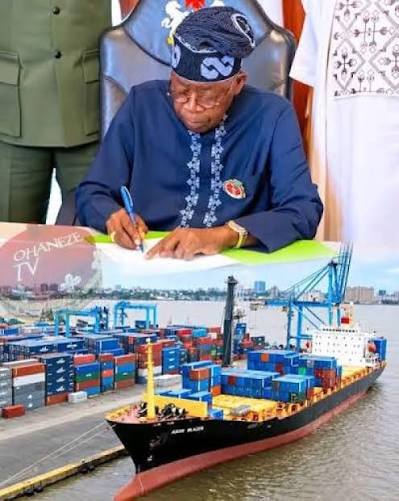
stakeholders in the South-South have again frowned at the freight differentials at the Eastern Ports.
This was contained in a 13-point communiqué issued at the end of the inaugural Bi-annual forum organized by the Nigerian Shippers’ Council (NSC), South-South Zone in Port Harcourt, recently.
It called on the Federal Government and other relevant authorities to scrap the differential treatment in order to allow level playing ground.
The stakeholders also called on the government to decentralize the operations of the Nigerian Maritime Administration and Safety Agency (NIMASA), so that its activities could be felt in all Ports in the country.
The communiqué among other demands also appealed for the rehabilitation of all access roads to the Eastern Ports, and reiterated that such forums would allow stakeholders in the South-South to brainstorm on operational challenges in order to find solutions and make the sector grow in the region.
The Deputy Director, Inland Transport Services, Nigeria Shippers’ Council (NSC), Zonal Services, Lagos, Rev. Winner Anayo had in a welcome address lauded the efforts of the members in their bid to turn around the Port sector in the country in order to render cost effective and quality services.
Anayo opined that the forum would create an enabling platform for stakeholders operating in the Eastern Ports to chart a way forward over the challenges confronting their operations, services and transactions at the Ports and make specific recommendation to the appropriate quarters on how to address such challenges.
According to him, “we in the council are poised to deploy efforts and resources to hold this forum regularly to provide a framework for indept interaction among stakeholders on peculiar challenges common with Eastern Ports and to give honest opinion that would enable all interest holders in the Port business buy into the Federal Government’s good intentions in sanitizing the Port sectors through regulation”.
He disclosed that the council with the co-operation of stakeholders has developed a world class Standard Operating Procedure (SOP) for effective regulation of all Port activities in the country, and assured that their activities would protect every player’s right and defend their interest for realization of optimal benefits of the Port concessions and enthrone standardization of service delivery.
The Deputy Director, however, noted that they are not ignorant of the challenges facing stakeholders at the Ports, which ranges from arbitrary charges, unreceipted charges, Poor quality services paid for but not delivered among others, adding that they have made cost of shipping transactions through the Ports unpredictable and unfriendly for import and export transactions compared to other Ports in the sub-region.
Anayo reiterated that the ultimate goal of the council was to sanitize the Nigerian Ports and they are prepared to remedy the Ports with the co-operation of all stakeholders to ensure maximum services.
In their separate speeches, the President of Port Harcourt Chamber of Commerce, Industries, Mines and Agriculture (PHACCIMA), Dr. Emi Membere Otaji, the Managing Director, Nidro Oil and Gas Company, Alabo Victor Ibanibo Don-Pedro expressed delight with the success of the forum and called for more concerted efforts in bringing the Eastern Ports back to their past glory.




-

 Education1 day ago
FCE Yola Graduates 3,555 Teachers , Seeks Upgrade to University
-

 Sports1 day ago
Nigerian Trio Target Titles At PFL Africa Finals
-

 Niger Delta1 day ago
Diri Restates Stance On Lagos-Calabar Coastal Highway
-

 Niger Delta1 day ago
C’River, NUJ Pay Tribute To Late Guardian Editor
-

 News1 day ago
NDLEA Recovers Tons Of Illicit Drug Consignments In Nine States
-

 Opinion1 day ago
Checking Voter Apathy In Nigeria’s Electoral Process
-

 Politics1 day ago
2027: DICKSON’S EX-ALLY VOWS TO WORK AGAINST NDC INTEREST IN BAYELSA
-

 Politics1 day ago
2027: GROUP PLEDGES 40,000 SUPPORTERS FOR COALITION CANDIDATES IN RIVERS