Connect with us

Opinion

Should The Internet Go Bust

Published

on

Quote:”. Whereas it sounds apocalyptic, yet experts have long warned that a total internet collapse, whether from cyberwarfare, global technical failure, or coordinated attacks on undersea cables, could paralyze the world far beyond imagination”
We now live in a world that so much relies on technology, especially on digital communication networks and data services. Virtually every aspect of our life depends on the efficient functioning of machines. In view of this reliance, imagine waking up to a world where the internet simply goes dark. For advanced countries where the functionality, monitoring and data storage of surveillance, security and nuclear installations, all rely on electronics and networks, the disruption could be catastrophic. On the other hand, for developing nations like Nigeria where government’s  response is usually slow, the implications would be socially and economically disastrous. It would imply the sudden evaporation of all the modern conveniences we have taken for granted. No online banking. No emails. No mobile transfers. No WhatsApp messages, Twitter feeds or digital government portals.
The collapse would expose a dangerous dependency, the centralization of personal data. In Nigeria’s multi-biometric systems, the Bank Verification Number (BVN), the National Identification Number (NIN), and SIM registration for mobile networks, are all cloud-based. With no internet, access to these databases would be lost. Banks could not verify customers; telecom operators could not authenticate SIMs; and government agencies would be unable to issue new IDs or validate old ones.In Nigeria, over 80% of financial transactions now occur digitally, thanks to the rapid adoption of fintech platforms such as Opay, PalmPay, Paga, and the Central Bank Nigeria’s eNaira initiative. Assets of companies worth trillions of naira are also stored digitally and transacted on the Nigerians Stock Exchange. Like other transactions, these have no certified paper backings other than electronic storages.
It means that the wealth and wellbeing of millions now lie at the mercy of machines. According to the Nigeria Inter-Bank Settlement System (NIBSS), in 2024 alone, the value of electronic payments in Nigeria reached ?600 trillion. Whereas it sounds apocalyptic, yet experts have long warned that a total internet collapse, whether from cyberwarfare, global technical failure, or coordinated attacks on undersea cables, could paralyze the world far beyond imagination. A total internet blackout would instantly freeze the banking system as banks lose interconnectivity, making transfers, withdrawals, and payments impossible. Fintech companies would go offline, cutting off millions from access to their digital wallets, while Point-of-Sale (PoS) operators, who depend on network connections for every transaction, would be stranded.The economy would revert overnight to cash dependence.
But cash, already scarce due to the CBN’s currency redesign and digital push, would not circulate fast enough to meet demands. Markets would collapse into panic, and trust in banks could erode within hours. Modern governance in Nigeria has increasingly depended on digital infrastructure, using e-government portals to handle licensing, pension records, procurements, revenue collection and budget management. An internet collapse would send governance back to the analogue age. Ministries would lose coordination, digital files would be inaccessible and online recordkeeping systems would fail.For ordinary Nigerians, the consequences would be deeply personal. Salaries paid through electronic transfers would go into limbo. Traders on Jumia, Konga, and social media marketplaces would lose their livelihoods overnight. Health and other insurance policies that currently dependent on cloud records and telemedicine would be truncated.
Even more troubling, a prolonged blackout could corrupt or erase data stored in unsecured local servers. Without connectivity to global backups, entire records, financial histories, health data, and school records, could be lost. For millions around the globe, digital amnesia would mean loss of identity, wealth and social status. Without communication, rumours would fill the void, potentially triggering civil unrests, misinformation, or even national security crises that may lead to uprisings in many countries.In a world where WhatsApp has replaced the post office and Zoom serves as boardrooms, digital communication collapse would feel like the death of modern society. Businesses would halt meetings, journalists would lose sources, students would be cut off from online learning, and diaspora remittances and family ties would suffer. Even voice calls that depend on internet routing would be impossible.
 The silence would be deafening, not just socially but economically, because communication fuels productivity. Without it, markets stall.The collapse of the internet would expose how deeply our daily survival has come to depend on invisible digital threads. If the web were to go dark tomorrow, it would not just dim our screens, it would extinguish commerce, governance, and connection itself. Already, fallouts from increasing cyber-attacks on undersea cables or satellite networks show the fragility of the situation.To preempt these eventualities, developing countries must therefore,  plan to build digital resilience. Critical data should have offline backups within national borders. Banks and fintechs must maintain local intranets or satellite-based alternatives to the public web. Radios, SMS-based, and offline mesh communication networks should be installed as alternative fallback channels.
Proactive protection of key infrastructure must become a national priority, and not reactive fire-fighting. As the internet becomes the nerve centre of modern civilization, developing economies like Nigeria, which strives for inclusion and growth, should avoid being ensnared into a blind spot by rapidly digitalizing into over-dependence. And the question is not whether the internet could collapse, but whether we can survive it when it does. A society that entrusts everything to the cloud must first learn how to breathe without it.
By; Joseph Nwankwor


Continue Reading

Opinion

Checking Voter Apathy In Nigeria’s Electoral Process 

Published

on

Quote:“Apathy may express frustration, but surrendering our votes only gives others greater power to determine our future. Nigeria needs credible elections, accountable leaders and citizens who refuse to abandon their democratic rights.”
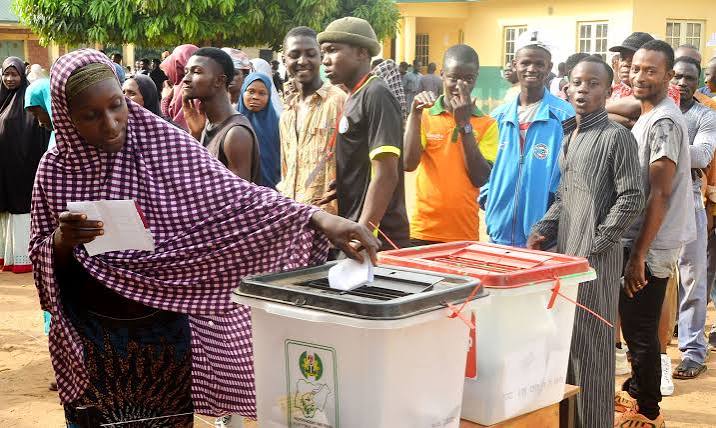
“I actually don’t know what is wrong with this country called Nigeria. Nothing will ever make me go out under the scorching sun to vote for anybody again. After all, my vote doesn’t count. “We go out and vote, but in the end, they announce whatever result they want and tell the opponents to go to court. Is this the Nigeria we all want?” These are the frustrations of many Nigerians who have lost faith in the electoral process. For them, elections have become a cycle of high expectations, alleged irregularities and disappointing outcomes. Consequently, many are becoming indifferent to how political leaders emerge and what they do after assuming office. This growing voter apathy poses a serious threat to Nigeria’s democracy and must be addressed before the 2027 general election.
Some politicians, including councillors, local government chairmen, members of the House of Representatives, senators and governors, have disappointed the people they were elected to represent. Constituents who expect their representatives to address pressing community needs often complain of neglect, poor performance and limited engagement after elections.bAs Chinua Achebe’s celebrated novel, “Things Fall Apart”, suggests, things appear to be falling apart in Nigeria’s electoral system. Yet, withdrawing from the electoral process is not the solution. Rather, it could worsen the situation by allowing a relatively small proportion of voters to determine the country’s political future. Recently, the National Orientation Agency (NOA) launched a nationwide grassroots mobilisation campaign to address voter apathy, vote buying and electoral violence ahead of the 2027 general election.
The campaign, themed “Your Vote, Your Voice, Our Future: Say No to Apathy, Vote Buying and Violence. Let’s Build a United Nigeria in 2027,” was inaugurated in Abuja. Speaking at the event, the Minister of Information and National Orientation, Mohammed Idris, commended the agency for the initiative, emphasizing that citizens must recognize the importance of their votes in determining the country’s political leadership and future. He warned that voter apathy, vote buying and electoral violence threatened democratic development, calling for stronger collaboration among government institutions, electoral authorities, security agencies, community leaders and citizens. The Director-General of the NOA, Mallam Lanre Issa-Onilu, explained that the agency would deploy its state directorates across the 36 states and the Federal Capital Territory to promote responsible electoral participation.
The campaign will use local languages, radio programmes, town hall meetings, community dialogues, drama and digital platforms to reach Nigerians in both urban and rural communities. The Chairman of the Independent National Electoral Commission (INEC), Prof. Joash Ojo Amupitan, also reaffirmed the commission’s commitment to conducting free, fair, transparent, inclusive and credible elections in 2027. He stressed the importance of early preparation, stakeholder collaboration and active citizen participation. These initiatives are commendable. However, their success will depend on sustained implementation rather than public announcements alone. Voter education must continue beyond election periods, while electoral institutions must demonstrate through their conduct that citizens’ votes deserve protection.
The government, political parties, electoral authorities and civil society organisations (CSOs) all have important roles to play. First, governments must demonstrate genuine commitment to credible elections by rejecting electoral manipulation, vote buying and the use of thugs to intimidate voters. Electoral offences must be investigated and prosecuted in accordance with the law. Security agencies must also remain professional and impartial throughout the electoral process. Beyond elections, elected officials must deliver the dividends of democracy. Reliable electricity, accessible healthcare, quality education, good roads and employment opportunities can help restore public confidence in governance. Citizens are more likely to participate when they see that democracy can improve their lives.
Political officeholders must also change their attitude towards their constituencies. Representatives should maintain regular contact with their constituents, explain their activities and demonstrate how they address local concerns. Representation should not end with election campaigns, nor should elected officials remember their constituents only when another election approaches. CSOs and political parties must intensify voter education, helping citizens understand that voting is a fundamental democratic right and an important means of holding leaders accountable. Voters should also learn to verify electoral information, report irregularities through appropriate channels and reject inducements that compromise their choices.
The electorate, too, has responsibilities. Voters must resist the temptation to sell their votes for money, food or other temporary benefits. Although economic hardship makes such inducements attractive to some, selling a vote undermines the opportunity to demand accountable leadership. Equally important is the rejection of electoral violence and misinformation. Nigerians must learn to disagree politically without becoming enemies. Citizens should verify claims before sharing them, particularly on social media, and report suspected electoral malpractice to the appropriate authorities. Participation also extends beyond voting. Citizens can attend community meetings, question elected representatives, monitor public projects and demand transparency between elections.
Nevertheless, citizens cannot be expected to sustain enthusiasm when credible complaints are ignored or electoral processes lack public confidence. INEC must therefore strengthen transparency, improve election logistics, communicate promptly and ensure that electoral complaints are handled in accordance with the law. Where disputes arise, the courts must provide lawful remedies. Nigeria’s democracy cannot thrive when eligible voters surrender their voices out of frustration. Restoring participation requires more than urging people to turn out on election day. It demands credible elections, responsible leadership, effective civic education and accountability. The 2027 general election presents an opportunity to rebuild public trust.
The NOA campaign is a welcome step, but all stakeholders must translate its message into action. Every eligible Nigerian should understand that a vote is not merely a mark on a ballot paper; it is an opportunity to influence the country’s future. Apathy may express frustration, but active and responsible participation offers a better chance of achieving change. The time to restore confidence in Nigeria’s electoral process is now. The earlier we act, the better for our democracy and future generations.
By: Calista Ezeaku

Continue Reading

Opinion

Oil Exploration Mustn’t Cost Lives 

Published

on

Quote: “No oil vessel, commercial contract or operational deadline is worth the loss of innocent lives; where environmental grievances are ignored and dialogue gives way to confrontation, the entire society pays a price that no compensation can adequately erase.” 

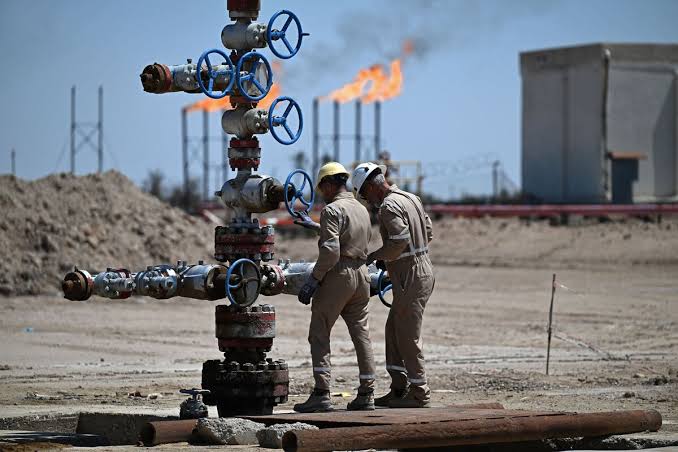
The recent boat tragedy in Kula Kingdom, Akuku-Toru Local Government Area of Rivers State, has highlighted the troubling relationship between petroleum operations, environmental grievances and the safety of oil-producing communities. The reported loss of lives during a confrontation over an oil vessel is a painful reminder that commercial interests must never overshadow human life. The incident occurred on October 20, 2026, along the Robertkiri waterways of Kula, when a community boat capsized amid tensions surrounding the movement of the ANAMBRA BASIN Floating Storage and Offloading (FSO) vessel. Community members were reportedly protesting unresolved concerns over an alleged oil spill, environmental remediation and other outstanding obligations. Reports initially indicated that 10 people were feared dead. However, TheCable reported on October 23 that seven people had died, with five bodies recovered and two others missing. Investigations are needed to establish the circumstances surrounding the incident.
The tragedy raises fundamental questions about how disputes between oil-related businesses and host communities are managed. Why should disagreements over environmental concerns and contractual obligations escalate into situations involving loss of lives? What mechanisms exist to address grievances before they develop into dangerous confrontations? These questions demand urgent and impartial answers. For decades, communities across the Niger Delta have complained about oil pollution, damaged fishing grounds, declining livelihoods and inadequate environmental remediation. In riverine settlements such as Kula, fishing sustains many households. Pollution therefore threatens not only the environment but also food security, family income and children’s welfare.
Allegations of oil spills must not be dismissed as routine complaints or obstacles to petroleum operations. They require prompt investigation, independent environmental assessment and appropriate remediation wherever pollution is established. Disputes over compensation or contractual obligations should be resolved transparently, using verifiable records rather than confrontation. The incident also highlights the need to clarify responsibilities among vessel owners, contractors, petroleum operators and other parties. Max Shipping Services Limited, owner of the ANAMBRA BASIN vessel, has denied responsibility for the underlying oilfield operations and explained that the vessel was hired to Menal Technical Services Limited. These claims must be examined alongside community allegations and available evidence. No company should be condemned without proof, but contractual arrangements must not shield anyone from established responsibility.
Equally important is the reported involvement of armed security personnel in the confrontation. Security agencies have a legitimate duty to maintain law and order and protect lives. However, their operations require professionalism, restraint and sound judgement, especially in tense communities. Armed personnel deployed to manage disputes should help de-escalate tensions, protect civilians and facilitate peaceful resolution. Investigators must establish the circumstances surrounding their deployment, the sequence of events leading to the boat’s capsizing and whether reasonable precautions were taken. All parties deserve a fair hearing, and anyone found culpable should face appropriate legal consequences. The Rivers State Government must not treat the incident merely as a marine accident without examining its underlying grievances.
Beyond expressing sympathy, government should support a credible investigation, assist affected families and facilitate engagement among the community, companies and regulatory agencies. Every necessary effort should also be made to locate the missing persons. Environmental and petroleum regulators must independently investigate the alleged spill and determine whether remediation is necessary. Where pollution is confirmed, responsible parties must fulfil their legal obligations. The Petroleum Industry Act provides a framework for host-community development and environmental responsibilities; these provisions must deliver practical protection for affected communities. Community leaders and youths must equally pursue legitimate demands through peaceful and lawful channels. This does not require silence in the face of pollution or alleged breaches of agreements. Rather, petitions, negotiations, peaceful protests and legal remedies can advance accountability without exposing residents to avoidable danger.
Companies and contractors must maintain effective communication with host communities and address complaints promptly, rather than engage only when disputes threaten operations. Government must intervene early, not wait until tensions erupt. Transparent agreements, independent assessments and accessible grievance mechanisms can prevent misunderstandings from escalating into deadly confrontations. The Niger Delta has endured decades of environmental concerns and disputes over the benefits and burdens of petroleum extraction. Its people should not have to risk their lives to secure attention to legitimate grievances. Oil revenue cannot justify preventable deaths or the neglect of communities where extraction takes place.
The Kula tragedy must become a turning point. Authorities must establish the truth, determine responsibility based on evidence, support bereaved families and ensure legitimate environmental concerns receive attention. Ultimately, petroleum operations should be judged not only by revenue generated or crude oil transported, but also by whether host communities enjoy environmental protection, economic opportunity and personal safety. Oil profits must never cost lives. Kula deserves justice, transparency and lasting solutions. The deaths on its waterways must not become another statistic in the Niger Delta’s troubled history. They must remind every responsible institution that no commercial interest is more valuable than human life.
By: Sylvia ThankGod-Amadi
Continue Reading

Opinion

Gift Or Will: Why Wait Until Death To Give?  

Published

on

Quote:”The value of wealth is measured not only by what a person leaves behind but also by the good it accomplishes during that person’s lifetime. Why wait until death to give when we can make a meaningful difference in the lives of those we love today?”

Will and gifts are subjects that many people, particularly in this part of the world, are reluctant to discuss. This may be due to the misconception that they are matters reserved for the dying and that talking about them could somehow invite death. Yet, both are important subjects that everyone, young and old alike, should understand. Every property owner should ask a fundamental question: Why wait until death before allowing the people we love to enjoy the fruits of our labour? Many parents spend their productive years acquiring houses, land, businesses and other valuable assets, yet postpone sharing these blessings with their children and loved ones until they are no longer alive. They prepare Wills, appoint executors and hope their wishes will eventually be fulfilled. But is there a case for giving more generously during one’s lifetime?

A Will is an important legal instrument, and nobody should be discouraged from making one. However, lifetime gifts deserve greater attention because they allow property owners to witness the benefits of their generosity and, where properly completed, transfer ownership before death. One practical difficulty with inheritance is that writing a Will does not automatically make the property available to beneficiaries upon the testator’s death. Ordinarily, executors must obtain a grant of probate from the appropriate Probate Registry before administering the estate under the Will. The process may involve producing the original Will and death certificate, identifying executors and beneficiaries, preparing an inventory and valuation of assets, completing prescribed forms, paying applicable fees and satisfying other registry requirements. Procedures vary across jurisdictions in the country and depend on the circumstances of each estate. 

Where documentation is incomplete, the estate is complex or questions arise about the Will, administration may be delayed. Matters become more difficult when a relative or beneficiary challenges the Will, enters a caveat or commences litigation. Legal expenses accumulate, family relationships deteriorate, and intended beneficiaries may wait for years before receiving their inheritance. A child expecting to inherit a house may be unable to deal freely with the property while administration remains outstanding. Similarly, a beneficiary hoping to use inherited funds to establish a business may be frustrated by delays. Across Nigeria, families have experienced difficulties accessing their late parents’ estates because of disputes over Wills and prolonged legal proceedings. See Dan Jumbo v Dan Jumbo. Where a court declares a Will invalid, those named as beneficiaries may lose their entitlement under that document, and the estate may instead be distributed under the applicable intestacy rules. Consequently, people the deceased deliberately intended to benefit may receive nothing under the disputed Will. Ajibaiye v Ajibaiye

This does not mean every challenge will succeed or that all beneficiaries will necessarily be excluded. It nevertheless highlights a risk in postponing every act of generosity until death: the intended beneficiaries may have to establish their entitlement through a process whose outcome is uncertain. A lifetime gift, commonly called a gift inter vivos, is a gift intended to take effect during the donor’s lifetime. Where validly completed, ownership of the transferred interest generally passes to the beneficiary, and the property ordinarily ceases to form part of the donor’s estate.This distinction is significant. A beneficiary who acquires valid ownership of property during the donor’s lifetime does not ordinarily have to establish entitlement to that property through the donor’s Will. The claim rests on the completed transfer rather than a testamentary promise. For instance, a parent with several properties may transfer a house to a child who needs accommodation or give land to another who wishes to build a home. A business owner may transfer an interest in a business to a child already involved in its management. These arrangements provide practical support while allowing the giver to witness the benefits.

Properly completed lifetime gifts may also reduce the assets that must subsequently pass through probate, potentially simplifying the administration of the remaining estate. However, such transfers must comply with applicable law. A mere declaration or unfulfilled promise to give land may not be sufficient. Depending on the circumstances, a gift may require an appropriate deed, acceptance, execution, registration and any necessary consent. Sections 21 and 22 of the Land Use Act 1978 regulate certain dealings involving statutory and customary rights of occupancy. Lifetime gifts are not immune from disputes though. Transfers may be challenged on grounds such as fraud, undue influence, incapacity or failure to comply with legal formalities. Proper legal advice and documentation are therefore essential. Encouraging lifetime gifts does not mean abandoning Wills. A Will remains useful for assets an owner wishes to retain throughout life, property acquired later and assets not transferred before death. It also allows the testator to appoint executors and give instructions for distributing the remaining estate.

Property owners must also avoid giving away assets indiscriminately. Adequate provision should be made for personal upkeep, accommodation, healthcare and other financial responsibilities. Parents should never be pressured into transferring their entire estates or surrendering their financial independence. Where a donor wishes to retain the right to occupy a gifted house, that arrangement should be properly structured and documented. Ultimately, the value of wealth is measured not only by what a person leaves behind but also by the good it accomplishes during that person’s lifetime. A gift of land may enable a child to build a home; financial assistance may help a young person establish a business; and a properly transferred property may provide security while the donor is still alive to share in the beneficiary’s joy. Probate is a necessary safeguard, not a reason to dismiss Wills. Nevertheless, where appropriate, lifetime gifts can reduce the property left for administration and help beneficiaries avoid waiting for assets that could have been transferred earlier.

My appeal is simple: let us cultivate a culture of thoughtful giving. Make a Will, but also consider what you can responsibly give today. Seek legal advice, document your intentions and ensure every transfer is properly completed. Why wait until death to give when we can make a meaningful difference in the lives of those we love today?

By: Calista Ezeaku
Continue Reading

Trending