
Nation
Group demands appointment of Ekpeye people into NDDC …Berates oil multinational on security

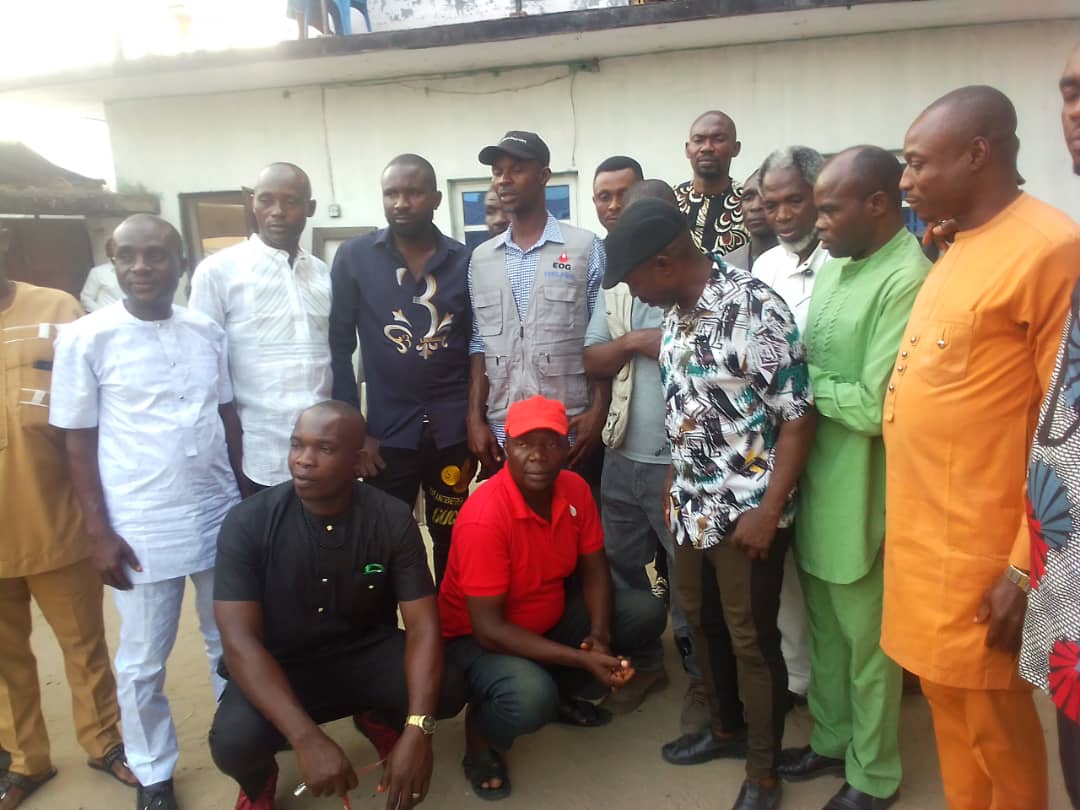
A group known as Ekpeye Oil and Gas (EOG) Pipelines Host Families Association has held it’s Annual Celebration and Sensitization Programme for the year, 2023 with a call for federal government to include ekpeye sons and daughters in to the Niger Delta Development Commission (NDDC)
The event which was held on Tuesday at the National Secretariat of the Association along Omoku Road in Ahaoda East local government area of Rivers State attracted the cream of personality from the Ekpeye kingdom
Speaking at the event, the National Chairman of the Organization- Comrade Dogini Chidi, noted that Ekpeye is one of the biggest contributors to the wealth of the Nation ,stressing that it host about Six Oil Multinationals with about Eight to Nine Licensed Oil Mining Fields.
He name some of the oil field being hosted in the area as OML 21, OML 22, OML 27, OML 28, OML 54, OML 58, OML 60, and OML 61. adding that Ekpeye Ethnic Nation also a host other major Crude Export Lines that holds the wealth of the Nation.
He wonder why the Ekpeyes are never considered for appointments or benefits noting that other groups are benefiting from juicy appointments than the Ekpeyes” the divide and rule tactics adopted by oil Multinationals was responsible for the unending crisis in the land, and has put the people down, and on a disadvantaged position.”
“As a way forward to having a better industrial relationship between Ekpeye people and the Oil Multinationals operating in the area, the Multinationals should give Ekpeye people the opportunity of being employed into various positions and be awarded contracts to, as rightly provided by the Local Content Act, to ameliorate their sufferings.”
The EOG National Chairman berated oil Multinationals on the for the underdevelopment of their Host Communities and lack of social infrastructures and other entitlements, especially, as contained in the Petroleum Industry Act (PIA) that has since been signed into law.
“The Multinationals being referred to here, includes the following: Shell Petroleum Development Company of Nigeria (SPDC), Total Energies, Nigeria Agip Oil Company (NAOC), Aradei Holdings Plc (Former Niger Delta Petroleum Resources), Nigeria Liquified Natural Gas (NLNG), Power gas Nigeria Limited and Chevron. ”
” Federal Government to consider an Ekpeye Son or Daughter for appointment into the NDDC Board, in view of the quantum of contribution Ekpeye Ethnic Nation has made to the National Earnings.
what is good for the Goose is also good for the Gander, and that it will be a disservice to the people if the Federal Government would continue to treat the Ekpeye people like a subservient group and second class citizens.”
Speaking further when asked about the issue of security concerns often raised by the Oil Multinationals, Comrade Dogini said, that was the purpose and essence of the sensitization; to continue to concientize the youths on the need to stay away from artesinal refining, illegal oil bunkering, pipeline vandalization, and other related vices.
The EOG Boss condemn the unwilling attitude of Oil Multinationals to supporting the Association in carrying out it’s Quarterly Sensitization Programmes. Expressing his chagrin dismay, the EOG Boss said, “I doubt the sincerity of the Companies to curb or end insecurity and Pipeline sabotage in our area. There are several evidences of our communication towards reducing insecurity, pipeline sabotage and oil theft in the land without meaningful response.
I strongly believe there are benefits that accrue to the IOCs by hoisting insecurity in their Host Communities in a bid to extract their Oil without meaningful development and benefit to the people; that must stop”.
He called on the Federal Government and other Regulatory Authorities to impress it upon the Multinational Oil Companies to support programmes aimed at ending insecurity, pipeline sabotage and oil theft in their Host Communities.
The EOG Boss used the opportunity to call on Oil surveillance Contractors to be Community friendly, noting that the “carrot and stick” approach remains a major challenges in the Host Communities.
used as cash cow and settlements for friends and cronies.
Other speakers who spoke at the event include Hon. Ibezhim Green Ogbuleka, Alhaji Abdulrazaak Philip Echeya, Dr. Captain Ogbuewe and Rt. Hon. (Engr) Mc Sunday Ugwu were of the opinion that non violent approach was the way to go in seeking for a better deal for the Ekpeye People.
By: Akujobi Amadi



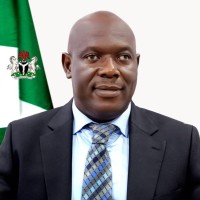
The Hydrocarbon Pollution Remediation Project (HYPREP) has commemorated the 15th anniversary of the release of the United Nations Environment Programme (UNEP) Environmental Assessment Report on Ogoniland, reaffirming its commitment to restoring the environment and improving the livelihoods of affected communities.
In a statement signed by the Project Coordinator, Prof Nenibarini Zabbey, to commemorate the anniversary, HYPREP described the anniversary as a significant milestone in Nigeria’s environmental restoration efforts, noting that the project has made remarkable progress in implementing the recommendations of the landmark UNEP report released on August 4, 2011.
The UNEP report had revealed extensive oil pollution across Ogoniland, severe environmental degradation, and serious public health risks resulting from decades of petroleum operations. It also recommended an initial $1 billion fund to commence the cleanup of the affected communities.
According to HYPREP, the Federal Government formally launched the Ogoni clean-up in 2016, while the Project Coordination Office was established in 2017 to drive the implementation of UNEP’s recommendations.
Zabbey said the current administration has continued to prioritise the project under the Renewed Hope Agenda.
Providing an update on the cleanup, the Project Coordinator disclosed that 30 of the 65 contaminated sites identified by UNEP have been fully remediated, while work is ongoing at several medium- and high-risk locations. It also stated that more than 1.5 million mangrove seedlings have been planted as part of what it described as the world’s largest restoration of oil-degraded mangroves, with over 1,000 hectares of shoreline already rehabilitated.
Zabbey further revealed that 49 Ogoni communities have been connected to potable water schemes through multiple water projects and booster stations aimed at providing safe drinking water across the region.
In the health sector, he said the 100-bed Ogoni Specialist Hospital in Kpite and the 43-bed Cottage Hospital in Buan are nearing completion, adding that several existing health facilities have been upgraded with modern medical equipment, while five ambulances have been donated to improve emergency healthcare services. The Project Coordinator also disclosed that a three-year human health biomonitoring study is being conducted in collaboration with the World Health Organization’s International Agency for Research on Cancer (IARC).
On economic empowerment, Zabbey stated that the Project has created more than 8,000 direct jobs and trained thousands of Ogoni youths and women in various vocational and technical skills, including software development, cybersecurity, aviation, commercial diving, seafaring, mechatronics, and creative arts. The project also reported awarding scholarships to more than 1,000 students, providing grants to small businesses, and supporting persons living with special needs through skills acquisition programmes.
The statement further highlighted ongoing legacy projects, including the Ogoni Power Project and the Centre of Excellence for Environmental Restoration, which it said is about 96 per cent complete. HYPREP also welcomed the recent designation of the Ogoni Wetland as a Ramsar Site of International Importance and pledged to continue promoting biodiversity conservation and sustainable management of the ecosystem.
Marking the anniversary, Zabbey said the progress achieved over the past 15 years demonstrates the collective commitment of government, development partners, stakeholders, and local communities to restoring Ogoniland. He called for renewed collaboration to sustain the cleanup effort, promote environmental sustainability, and support the long-term development of the region. 3
-

 News1 day ago
RSG Targets Nine Million Residents in Mosquito Net Distribution Campaign
-

 Oil & Energy1 day ago
Aiyedatiwa Signs New Electricity Bill
-

 Maritime1 day ago
Marine Minister Commends President Tinubu On NPERA Bill Assent
-

 Oil & Energy1 day ago
NLNG Commissions Research And Innovation Centre In RSU
-

 News1 day ago
KenPoly Holds Eight Convocations, August 29
-

 News1 day ago
RSG Begins Another Phase of Projects Commissioning Today
-

 News1 day ago
RMAFC Completes Revenue Sharing Review, Proposes New Pay
-

 Maritime1 day ago
NAGAFF Petitions IGP Over Alleged Maritime Police Harassment