
Opinion
Go Get Vaccinated

As at this time last year, the world was still on the threshold of inventing a safe vaccine for the novel Coronavirus disease, otherwise known as COVID-19.
The Chinese virus, as the erstwhile United States President, Donald Trump, once called it, had, soon after its manifestation in late 2019, caused the imposition of lockdowns in several countries across the world such that nearly crippled the global economy.
In its bid to check the daily high infection and death figures even as medical scientists searched to identify what virus could attack humans on such scale, the World Health Organisation (WHO) had issued an advisory for people to avoid handshakes while observing frequent hand washing with soap and running water or use alcohol-based hand sanitisers. At that time, the apex global health institution had not become sure of the virus being airborne which explains its delay in recommending the wearing of face mask in public. Even social distancing and sneezing into one’s bent elbow came with this later discovery.
Today, no fewer than seven COVID-19 vaccines have been approved by the WHO and are being distributed for use across the world. The more popular ones among them are Pfizer-BioNTech, Oxford/AstraZeneca, Moderna, Johnson & Johnson/Janssen and Russia’s Sputnik brand.
Since early March, Nigeria has continued to take delivery of varying quantities of doses of these drugs, particularly the AstraZeneca, Moderna and Johnson & Johnson brands. Largely donated by friendly foreign governments and some international agencies, their rollout has been smooth in the main, regardless of observed vaccine hesitancy among the people.
This attitude may not be unconnected with any one of the following factors. First, there are those who still hold strongly to the belief that all the news on Coronavirus is a hoax being peddled by politicians who aim to profit from funds raised to fight the disease. Second, there are others who fear that the vaccines were hastily manufactured and not sufficiently tested for any long-term side effects before their emergency release by the WHO and NAFDAC. They had looked up to the nation’s political leaders and health authorities to first get openly inoculated to assure them on the safety of the new drugs.
But even as this has since happened with frontline medics, Mr. President, his Vice, most state governors, their deputies and other top politicians getting the intramuscular injections in front of national television cameras, the attitude seems to persist. Again, it is unfortunate that just about the time the vaccines were beginning to be rolled out globally a new variety of the virus, tagged the Delta variant, was identified — seriously undermining the efficacy and suitability of the new drugs in the people’s estimation.
Third, let us also consider those who will naturally try to avoid the nurse’s syringe or ‘long needle’. Sincerely, I want to bet that if these vaccines had come in the form of tablets or capsules, there would have been a better turnout of people at the various administration sites. And fourth is the fact that there already exist lots of alarming stories about serious reactions and deaths of COVID-19 vaccine recipients abroad. Some countries, including India and South Africa, had been reported to halt the administration of certain brands of the vaccine on their citizens. Related to this is the case of a few Nigerians who complained of dizziness, nausea, headache, fever or pain after being inoculated. But these always vanish after a few days and have been described by physicians as normal vaccine reactions.
Now wait for this! It has also been observed that people have started selecting where to take the jabs based on the brand of vaccines available at such centres, while some others have opted to tarry a bit in expectation of the arrival of a certain yet-to-be-imported brand into the country. And this is as medical experts have continued to assure that, despite their different names and recommended doses, none of these COVID-19 vaccines is superior to the other.
In fact, available information indicates that the vaccines already being used in Nigeria are administered in two separate shots, except the Johnson & Johnson product which is a single-shot vaccine. It is essentially for this reason that the health authorities reserved it mainly for the elderly and those living in areas that suffer movement difficulties — such as riverine, desert and security-compromised communities – as they may not easily travel from their homes for a second jab of the other vaccines. Surely, this is good thinking! Or, don’t you agree?
Reports also have it that Nigeria is targeting to inoculate, in two years, 109 million persons of 18 years and above, including pregnant women. It is believed that this is the nation’s strategy to achieve early herd immunity among her citizens. If true, then the authorities will have already planned to fail woefully. This is because 109 million persons out of about 200 million population only translates to 54.5 per cent; which falls way below the 70-80 per cent threshold recommended by scientists to be immunised or acquire natural immunity in order to end the global pandemic or, at least, bring it down to epidemic level.
So far, Nigeria has taken delivery of less than 10 million doses of COVID-19 vaccines, with the two largest hauls of 4 million coming from the WHO co-led COVAX initiative and the US Government, respectively. If about 9.8 million of these doses are indeed of the two-shot brands, then it means that technically, provision has only been made for a little over 4.9 million Nigerians. At this pace, if just that number is provided for in the six months between March and now, then it will translate to 19.6 million persons in two years. And this is far below the target.
As stated earlier, it is already worrisome that there exists much scepticism among the citizens; but government will also share in the guilt if early volunteers are made to wait beyond the prescribed 3-4 weeks interval to get a second shot. While it may not be enough to blame lack of cold storage facilities, I think there is still the need for governments to step up their sensitisation of the people.
By: Ibelema Jumbo




Quote: “The Flamingos have conquered the world; Nigeria must now rise to its responsibility of nurturing the next generation of champions.”
Sometimes, sporting victories
More significantly, they
Umejiaku deserves special
Umejiaku received the award
Nigeria has now broken into
For too long, young girls in
But beyond the reward, this
As Nigerians celebrate this
By; Calista Ezeaku
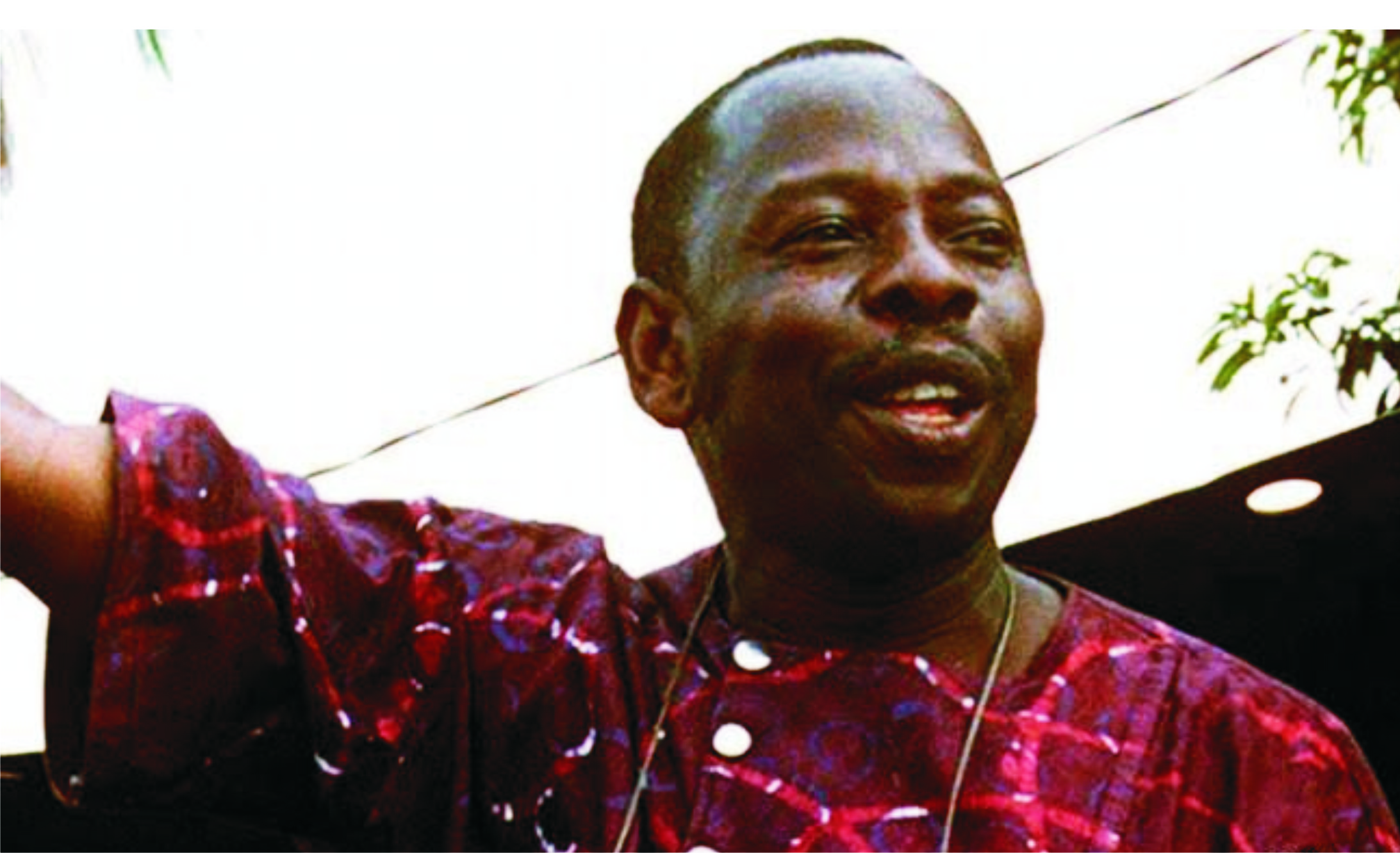
Nonetheless, he believed the suffering of the Ogoni people demanded a courageous response. While oil was extracted from their land, they were left with polluted rivers, damaged farmland, declining livelihoods and an environment hostile to human survival. Fishing grounds and sources of livelihood were threatened, while the people struggled to secure basic amenities. The wealth beneath their soil brought neither adequate development nor a fair share of national resources. For him, silence in the face of injustice would have amounted to complicity. Through the Movement for the Survival of the Ogoni People (MOSOP), he organised a peaceful campaign that took the Ogoni question to the international community. MOSOP gave ordinary people an organised platform through which to express their grievances and insist on recognition.
The Ogoni Bill of Rights, presented to the Federal Government in 1990, demanded political autonomy, economic justice, environmental protection and control over the people’s resources. The campaign exposed the human and ecological costs of oil operations, particularly those associated with Shell, and challenged the apparent alliance between corporate interests and an unresponsive State. The Ogoni struggle became a defining expression of minority rights and environmental justice in Nigeria and Africa. Saro-Wiwa’s writings and mobilisation drew attention to communities treated as expendable because of their limited population and political influence. He argued that numerical strength should never determine a people’s value or rights.
A minority community does not become less deserving of justice because it cannot command electoral numbers or political power. In Nigeria, every ethnic group deserves dignity, protection and a fair opportunity to benefit from the commonwealth. Rather than respond to peaceful agitation with dialogue, the Abacha regime resorted to repression. Ogoni leaders were harassed, detained and killed; others fled into exile. The crisis intensified after four Ogoni chiefs were killed in May 1994. Saro-Wiwa and other MOSOP leaders were arrested, tried by a special tribunal and executed despite international appeals for clemency and serious concerns about the trial’s fairness. The executions drew worldwide condemnation and intensified scrutiny of Nigeria’s human-rights record and oil companies in the Niger Delta.
They demonstrated the danger of using State institutions to suppress peaceful demands. The proceedings remain a reminder of the need for judicial independence and due process. Saro-Wiwa’s courage rested on the conviction that justice must be pursued despite the cost. His method combined non-violent resistance, public education and grassroots organisation. His struggle recalled the civil-rights campaign of Martin Luther King Jr. and the power of peaceful mobilisation against injustice. Saro-Wiwa linked environmental degradation to political exclusion, economic exploitation and the denial of democratic rights. Oil-producing communities, he insisted, should not remain zones from which wealth is removed to develop other parts of the country.
Their people must benefit through roads, schools, healthcare, jobs and clean water. Resource extraction carries a duty to protect host communities. His argument extended to the structure of the Nigerian federation. He challenged a revenue-allocation system that made oil-producing communities bear the environmental and social costs of extraction without commensurate benefits. Like advocates of fiscal federalism, he believed resources should be managed and shared equitably. He envisaged a society in which no community would be disadvantaged by its size, ethnicity, political affiliation, culture or religion. His vision was a country bound together by justice and equal citizenship. Saro-Wiwa was also a gifted writer, dramatist and public intellectual.
Through books, essays, plays and television, he documented Nigerian society’s contradictions and challenged abuses of power. His popular television series, Basi and Company, demonstrated his creative range, while his leadership of the Association of Nigerian Authors encouraged writers to engage national questions. He believed literature should not be detached from society’s struggles. His pen exposed environmental injustice, political repression and the dangers of silencing courageous voices. He used storytelling, satire and drama to shape public consciousness and expose social contradictions. His literary achievements gave his activism wider reach and made the Ogoni experience part of national conversation. His commitment to the Ogoni people extended beyond the oil question.
During the Civil War, he worked to protect his vulnerable community. He urged younger generations to reject subservience and complacency and pursue change through lawful, peaceful means. Citizens, he believed, must not surrender their responsibility to challenge wrong doing. An injury to one community threatens the rights and security of all. The return to democratic government in 1999 and the establishment of the Niger Delta Development Commission, the Ministry of Niger Delta Affairs and the Hydrocarbon Pollution Remediation Project (HYPREP) are among developments that have kept the region’s demands in public view. Saro-Wiwa did not create these institutions, but his movement helped expose the urgency of intervention and sustain pressure for redress.
His death made it harder to ignore the Niger Delta’s environmental and political grievances. Yet, interventionist institutions do not prove that the original demands have been met. Their effectiveness depends on competent leadership, transparent spending, measurable outcomes and community participation. Yet, thirty-one years after his execution, the central concerns of the Ogoni struggle remain unresolved. The HYPREP-led clean-up has offered hope, but many residents await meaningful improvements. Questions persist about the programme’s pace, quality and transparency, and whether its benefits reach ordinary people. A clean-up should be judged not by ceremonies or contracts, but by restored land and waterways, safe drinking water, improved livelihoods and better public health.
It must include long-term monitoring to ensure treated sites remain safe. Residents deserve information about contamination, remediation methods and completion timelines. Reports that water projects in Gwara and Ebubu Communities, in Khana and Eleme Local Government Areas respectively, failed weeks after commissioning have raised further concerns. If confirmed, the failures would indicate weaknesses in supervision, procurement and quality control.
To be continued in our next edition.
Taneh Beemene
-
Business4 days ago
BSG Partiner American Coy To Invest $100m In Gas Processing
-

 Oil & Energy4 days ago
FG To Double Oil, Gas Reserves, Moves To Intensified fresh Exploration
-
Business4 days ago
Seme Customs Intercepts Live Pacific Ridley Sea Turtle
-
Sports4 days ago
Fernandes Turns Down Man Utd Offer
-
Business4 days ago
159m small businesses registered on database in three years – SMEDAN boss
-
Sports4 days ago
Rivers To Host National Table Tennis Championship
-
Maritime4 days ago
Nimasa,China MSA Sign Bilateral Maritime Agreement
-

 Sports4 days ago
Kenyans Win PH International Marathon, Cart Home $10,000