
News
FG Maps Out 30 Grazing Reserves For NLTP Implementation

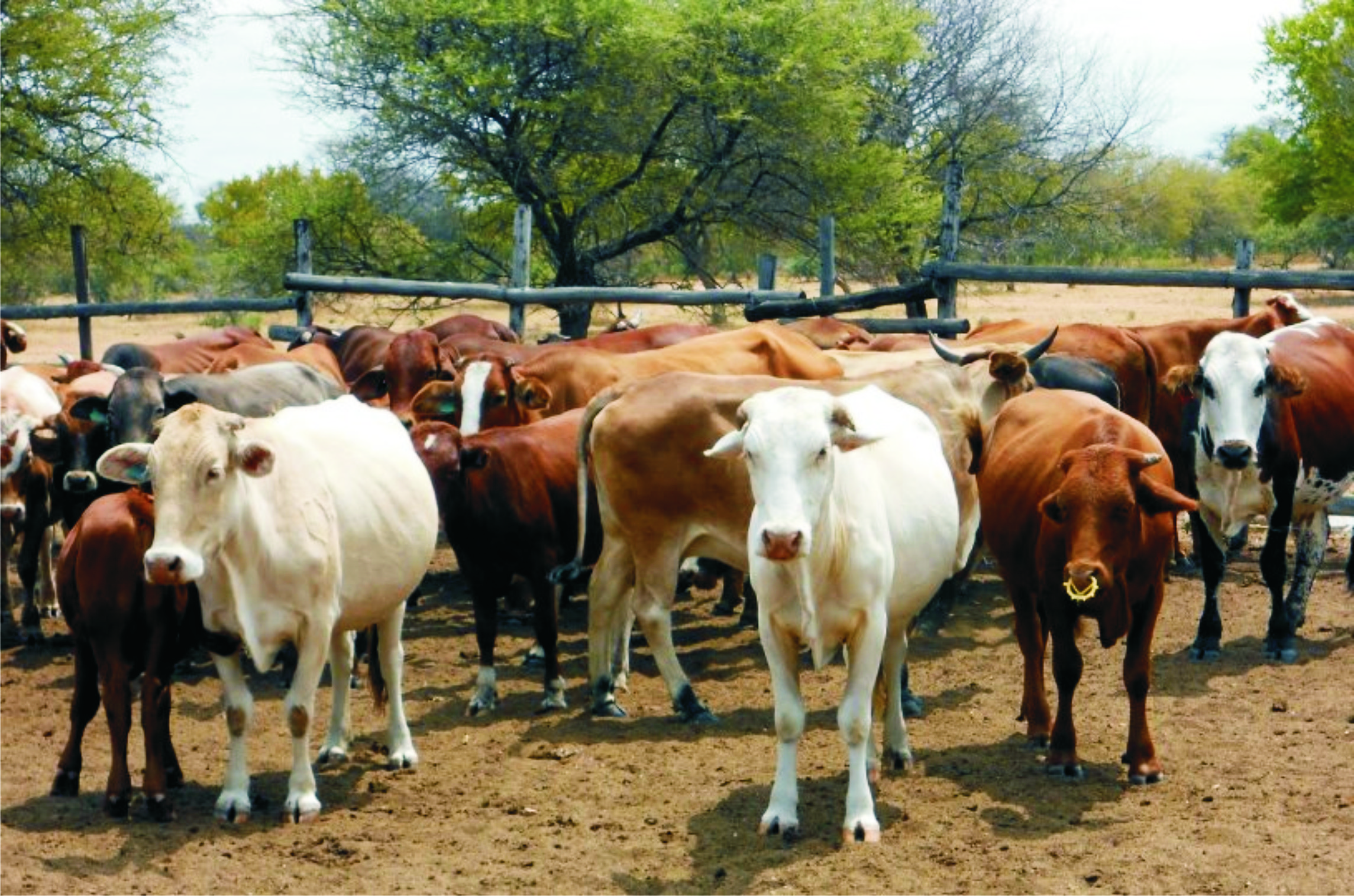
As the conflict between herders and farmers continues to rage, the Federal Government has disclosed mapping out 30 grazing reserves for implementation of the National Livestock Transformation Plan (NLTP) as a lasting solution to the crisis.
This was made known by the Senior Special Assistant to the President on Agriculture, Dr Andrew Kwasari, yesterday, while addressing journalists on the move by the government to solve the protracted conflict over the competition of land, water, and pasture by herders and farmers.
According to Kwasari, the NLTP is cardinal under the Green Initiative project, because it is a sure way to permanently settle the lingering crisis.
He said, “The National Livestock Transformation Plan (NLTP) is a sure way in solving permanently the issue of the farmer-herder conflict; the real farmers and herders that have conflict and mark my words, real farmers and real herders that are in crisis today is triggered for resources of land, water, and pasture.
“The 19 Northern States have grazing reserves. So far, we have mapped out over 30 grazing reserves and on paper, we have over 400 grazing reserves.
“So, the northern governors have to be committed to working with the Federal Government, Federal Ministry of Agriculture and Rural Development, supervision with the NEC, to make sure that wherever those grazing reserves are found that we able to convert them into lush green models specifically for pastoralists and the pastoralists will not migrate anymore. The land is there, we don’t need to look for land anywhere.
“The traditional rulers we consulted, like the Gbom-Gbom Jos, clearly advised, and said the low hanging fruit for federal and state governments is we make sure we settle pastoralists in gazette grazing reserves.
“This takes away any notion of land grabbing or taking land from communities and giving to pastoralists because we are in volatile situation, hate speech and all of that.”
He further said that Nigerians need to understand and embrace the NLTP by following modalities of the plan.
“If we are going to achieve this first of all Nigerians have to follow the signs that is clear to the NLTP, the methodology of NLTP as clearly pointed in the NLTP, and every state that adopts NLTP it is to its own reality; it is not conscription but if they do it this way it will modernise livestock production, modernize crop production, remove conflict, create dialogue, and create cohesion in communities”, he pointed.
He also explained that, “One of the targets we are working on here in the National Livestock Transformation Plan, and we know that working at the National Economic Council; the Governors working with technical experts crafted this policy.
“I have been secretary to that committee and I have been to all the states to collect data and meet with the stakeholders, I understand that if we implement the NLTP, truly as it was designed over the next 10 years we will handle the issue of genuine farmer-herder crisis completely because, one, NLTP is crafted to offer the opportunity on how livestock production is done and also how to farm cropping is done.
“The NLTP starts by training and arm-holding the pastoralists in the northern livestock production system, teaching them how to grow the pasture, settling them in a systematic way and environmentally friendly pattern. Our pastoralists are willing to learn.”
He (Kwasari) also expressed optimism that with the collaboration between the federal and state governments following the recent announcement of the Minister of Agriculture and Rural Development, Mohammad Nanono on taking of the NLTP there will be a solution to the crisis.
“I hope with the move being made by both state and federal governments, particularly by the recent announcement made by the minister of agriculture. The NLTP will take off fully so that we can demonstrate that there is a new way to find a solution between the pastoralists and farmers in the NLTP”, he said.
However, he said the NLTP is not designed to tackle issues of banditry, insurgency, kidnapping and other criminal activities.
“On kidnapping and banditry, I don’t think NLTP is the answer because there is sheer criminality in that aspect, and I am sure that the security agencies are working on that.
“But the conflict between real herders and farmers over the competition on land, water, and pasture can resolve the issue of land, water, and pasture of true herders and that will help livestock production according to global best practices”, he stated.


News
Fubara Hails Team Rivers For Winning Tinubu Inter-Schools Debate Championship …Describes Victory As Great Feat For Rivers

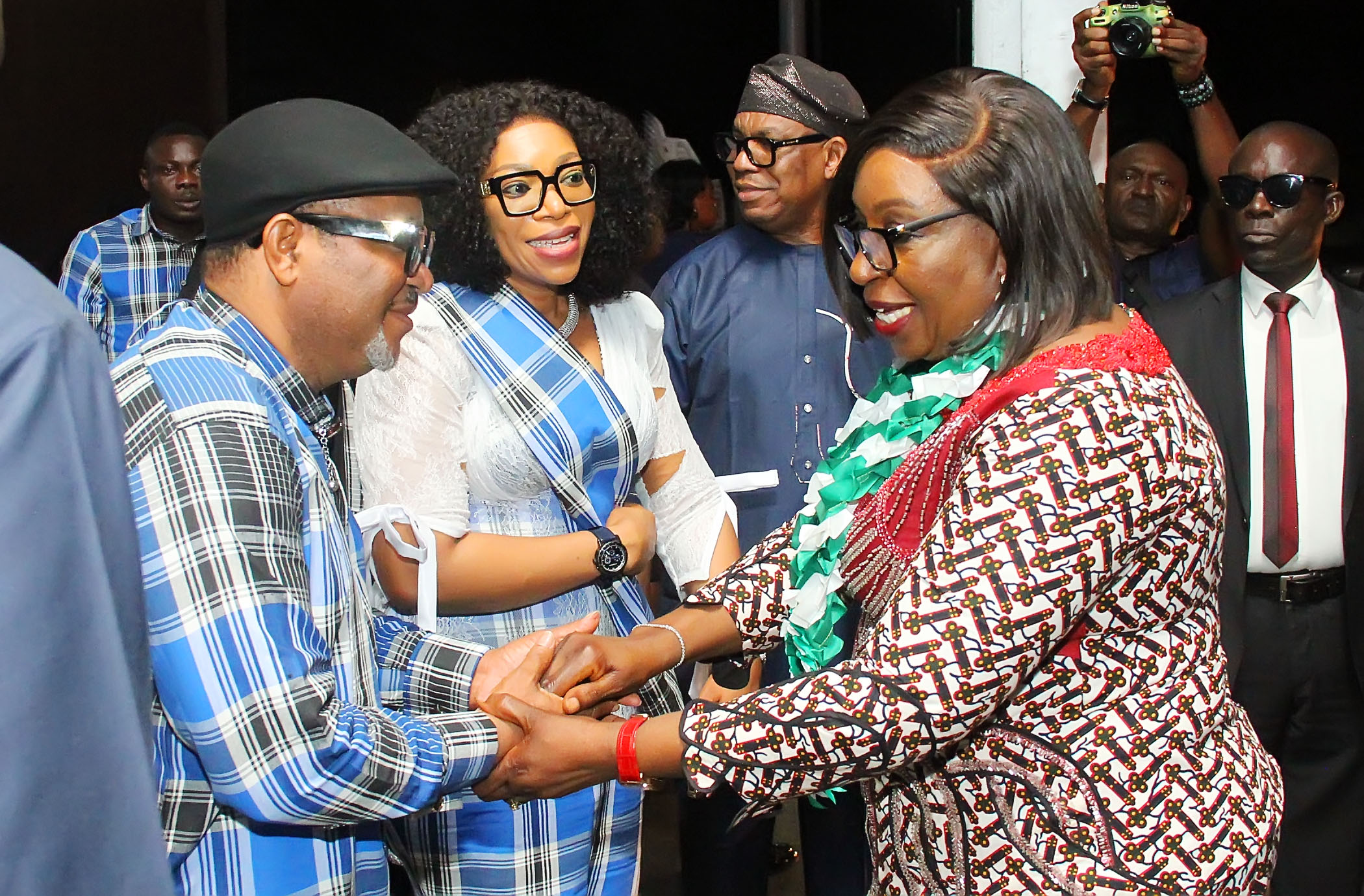
Rivers State Governor, Sir Siminalayi Fubara, has congratulated Team Rivers for emerging champions at the grand finale of the President Bola Ahmed Tinubu Inter-Senior Secondary Schools Debate Championship.
The governor, who was represented by his deputy, Prof. Ngozi Odu, described the students’ victory as “a great feat” and a clear demonstration of the intellectual capacity, brilliance, confidence, and preparedness of Rivers children to compete and excel at the national level.
The Tide reports that the finals of the Presidential Debate Championship held last Thursday at the Obi Wali International Conference Centre, Port Harcourt, Rivers State.
Fubara commended the students for their eloquence, critical thinking, and teamwork, while also appreciating their teachers, coaches, and the Rivers State Ministry of Education for the guidance and support that led to the outstanding performance.
“This victory is a source of immense pride to all Rivers people. It shows that our investment in education and human capital development is yielding results. Our children have once again proven that they are among the best in the country.
“We are proud of you and we will continue to support programmes that build the minds of our young people,” he stated.
The governor assured that his administration would continue to create an enabling environment and provide necessary support for academic and extra-curricular activities in schools across the State to help the youths to excel in future competitions.
He further urged other students across the State to draw inspiration from Team Rivers and strive for excellence in all their endeavors.
Fubara expressed profound appreciation to the Grand Patron of the championship and Nigeria’s First Lady, Senator Oluremi Tinubu, for her steadfast support and commitment to initiatives that promote education, youth development, and the empowerment of the Nigerian child.
?While congratulating Team Rivers for coming out on top, Fubara told the participants that they were all winners, irrespective of the outcome, stressing that their courage to stand before an audience and articulate their ideas demonstrated that the future of Nigeria remains intellectually vibrant and full of promise.
He also commended the organisers of the championship for creating a platform where young Nigerians could develop the confidence, discipline, critical thinking and communication skills required to participate meaningfully in national development.
?He reaffirmed the commitment of the State Government to supporting initiatives that advance academic excellence, innovation, discipline and opportunities for young people.
The governor dedicated an award presented to him to the people of Rivers State, the state’s education system, young Nigerians, and all those contributing to the development of the State.
?In his welcome address, the Chairman of the National Advisory Board, President’s Schools Debate, Hon. Usman Muhammed, said the championship was aimed at raising articulate, informed and responsible young Nigerians committed to democracy, good governance and nation-building.
?He commended the governor and the people of Rivers State for hosting the event, stressing that debate promotes critical thinking, tolerance and responsible citizenship.
?On his part, the State Commissioner for Education, Dr Peters Nwagor, explained that the essence of the championship was to train and develop youth, especially students, on how to get to leadership positions, saying it takes a sound mind to be able to come out to speak publicly and come to defend the opinion in a public setting.
?The Tide reports that while Team Rivers came first, Team Kwara emerged second, while Team Sokoto took the third position.
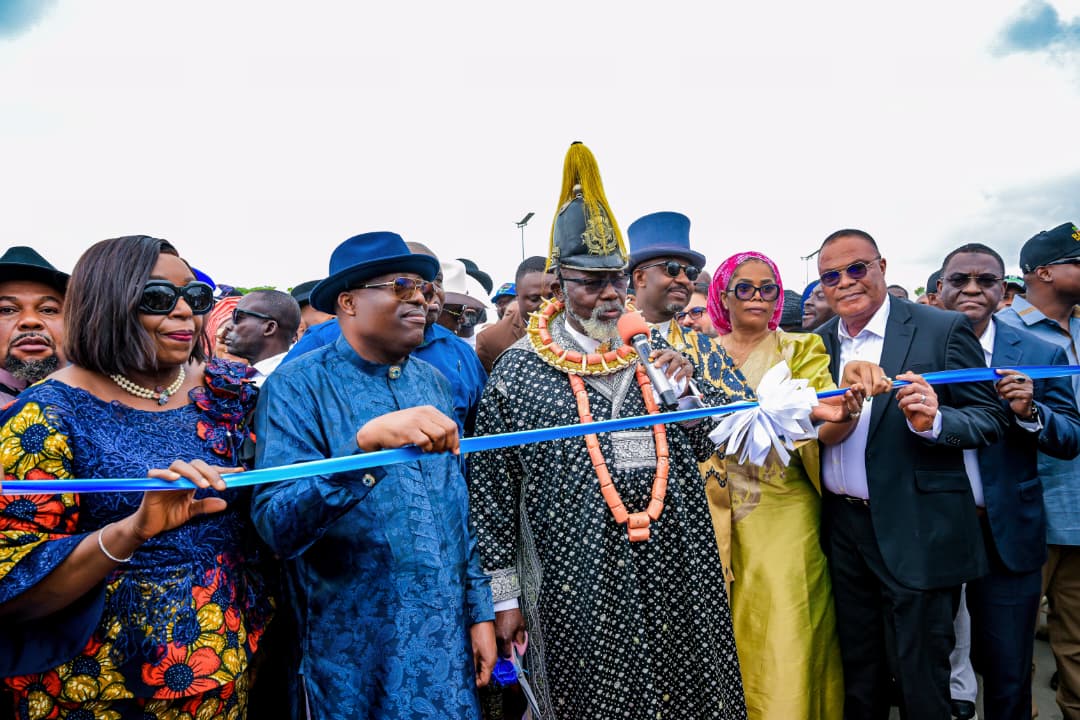
Rivers State Governor, Sir Siminalayi Fubara, has unveiled the reconstructed Buguma-Degema-Abonnema Road, a major transport corridor linking communities across the Asari-Toru, Degema, and Akuku-Toru Local Government Areas of the State.
The project, a 19.79 kilometre road was executed by Julius Berger Nigeria PLC, brings to an end the nightmares of man-hour losses and insecurity associated with the route.
The long stretch of the road was in a very deplorable condition before the Fubara administration awarded the contract for its rehabilitation in September 2024.
Fubara disclosed that the completion of the project in record time was a fulfillment of a personal commitment made after witnessing the severe degradation of the road during a previous visit to the area.
“It is a road that you must pass if you’re going to Abonnema. It is a road that because of its state, a lot of evil activities was taking place there. But to the glory of God today, I don’t think those negative acts can even be imagined or be carried out along that corridor again.
“I made a promise to myself that day that even if it is remaining one week, we must make sure that we fix this road. Today, to the glory of God, the road has been fixed.
“I am happy that today, we are all here gathered happily that this particular dream has come to reality,” he said.
The governor reiterated that his desire for the State is not just about embarking on projects but in doing those things that will touch the lives of the people positively.
He reaffirmed the commitment of his administration to complete the Trans-Kalabari Highway, another major road project linking several coastal communities in the State.
He expressed appreciation to the people for their love and cooperation especially for allowing the contractors to do their jobs without hitches.
“You have shown me so much love. Nobody can take that away. One particular project that cannot be denied is the Trans- Kalabari Road that we are doing. I want to beg you that if I cannot meet all you requests today, don’t worry, my successor will continue from where I will stop,” he said.
Special Guest of Honour, the Amanyanabo of Abonnema Kingdom, King Desrael Gbobo Bob-Manuel, who officially commissioned the project, commended the state government for its rapid infrastructure development, noted that the rehabilitation of the roa has drastically improved travel time, safety and the living conditions of the people.
“In the past, for you to leave any of our communities to Port Harcourt, you must, as a matter of fact, go into a one-day fasting and prayers the previous day. Otherwise, you are not sure you will get to your destination.
“Today, I can leave my palace in Abonnema by 10:00 AM, and I will be wherever I want to be in Port Harcourt before 11:00 AM,” the royal father said.
King Bob-Manuel stated that the reconstructed road would not only enable the local fishermen to transport their catch directly to urban markets in Port Harcourt for better profit margins, but will open the riverine communities to new investments.
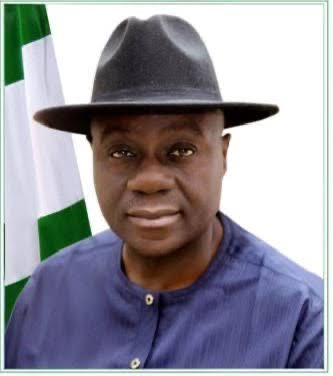
President Bola Tinubu has appointed Mr Abel Olumuyiwa Enitan as the Head of the Civil Service of the Federation, effective August 27, 2026.
Enitan succeeds Mrs Didi Esther Walson-Jack, who will retire soon from the Federal Civil Service upon attaining the statutory retirement age of 60.
Mr Enitan, from Osun State, is the most senior Permanent Secretary in the Federal Civil Service.
He has served as Permanent Secretary for seven years and seven months, working at the Ministry of Police Affairs, the Ministry of Humanitarian Affairs, and the Office of the Vice President. He is currently the Permanent Secretary in the Federal Ministry of Education.
Enitan, according to a statement by Special Adviser to the President on Information and Strategy, Bayo Onanuga, brings considerable institutional experience and a deep understanding of how the Federal Civil Service works to his new responsibility.
Tinubu expressed his profound appreciation to Mrs Walson-Jack for her distinguished service to the nation and for the reforms, impact and innovations witnessed in the Civil Service during her tenure.
“The President wishes her a fulfilling and successful life after service and conveys the nation’s gratitude for her years of dedicated and impactful public service,” the statement added.
Tinubu charged the incoming Head of the Civil Service of the Federation to consolidate on the reforms and innovations already underway, deepen professionalism and efficiency across the service, and build a more effective and responsive Civil Service capable of delivering on the administration’s Renewed Hope Agenda.
The President further urged Enitan to lead a Civil Service that is professional, merit-driven, accountable, innovative, and responsive to Nigerians’ needs and aspirations.
Enitan was born on December 12, 1966. He had his secondary education at Ajibode Grammar School, Ibadan and the College of Arts and Science, Ile-Ife. He later attended the University of Lagos and graduated in 1988 with a B.Sc. in Finance and Banking.
In 2015, Enitan obtained an M.Sc. in Public Policy Analysis from Nasarawa State University, Keffi.
-
Rivers1 day ago
Philanthropist Cautions Youths Against Ignoble Acts Donates Building To Musician
-
Politics1 day ago
2027: ADC Candidate Tasks INEC On Integrity, Intensifies Consultations
-
 News23 hours ago
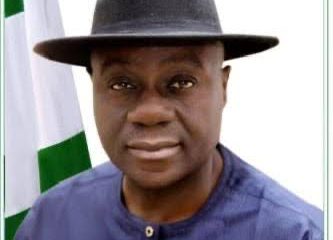
Tinubu Appoints Enitan As New Head Of Federal Civil Service
-

 Politics1 day ago
2027: INEC To Conduct Nationwide Electoral Equipment Test Run In November
-
Sports1 day ago
NSC Celebrates Historic Beach Volleyball Olympic Qualification
-
Sports1 day ago
Arsenal Want Osimhen To Take Pay Cut
-
Sports1 day ago
Nnadozie, Osimhen Lead Highest-Rated Nigerian Players
-
Politics1 day ago
Yari Emerges DG As Tinubu Unveils 2027 Presidential Campaign Council