Connect with us

Opinion

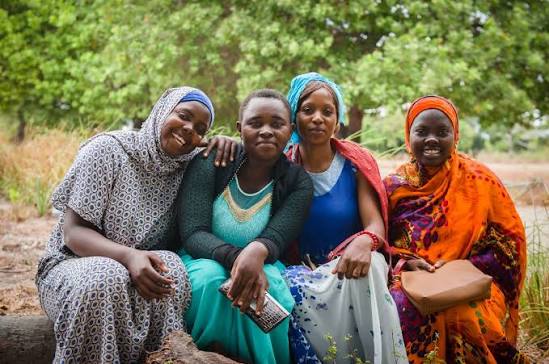
The Cost Of Women’s Emancipation

Published

on

The current clamour for a unisex world by women emancipation apostles all over the world is now a topical issue. The clamour has gained so much ground. Its popularity was made possible by its patronage by the United Nations and some other countries of the world, especially the developed world.
Considering a unisex world from human angle might be plausible but what kind of world is it going to bequeath to us? A world which is completely unisex in which one has to look very closely before knowing whether a human being is a male or female, to me, is going to be a very strange world full of confusions and negativities.
History has it that a wife’s name was recorded in her husband’s ledger book which made her husband’s property. In those days, the relationship between man and woman was cordial and harmonious. Men were actually the breadwinners, while women used to support their husbands in obedience and humility. The warmth of women at home when their husbands returned from their daily toils was always felt.
In a nutshell, a deep exploration of available antecedents proves that public life has not been the lots of women. But today, the case is surprisingly different. Modern women today tend to rise from a sudden realization and have rejected their naturally assistant position. Instead, they opt for public life and have chosen to rub shoulders with men. It is now a popular jingle to hear that whatever a man can do a woman can do, even better.
Armed with this belief, women are aggressively demanding for equal space in the governance of their various societies. Nigerian women, in order to toe the lines of Western women in their agitation, have degenerated to doing things that were hitherto anathemic to our moral and cultural values. Nigerian women today are not only involved in politics but want to edge the men out.
It is no longer uncommon to see women attending late night political meetings leaving their husbands at home with children.
For all I know, it is not our culture that a woman becomes a soldier and carries arms, or a police man that runs night duties. I have also never heard where a woman was a taxi driver in the good olden days. But today, we have a lot of them as taxi drivers and bus conductors. That women want to be like men, talk as men, sit as men, dress as men, work as men, think and behave as men, to me, portends doom.
Recorded women agitations started in America in the 1840s. In a conference held by women in New York, they called for the amendment of the American Constitution to reflect the existence of women. They argued that the then American Constitution did not recognize women in national life. During this period, American women were disenfranchised and therefore took no part in the politics of America.
In Europe, the German experience gives the picture of women struggle. The Welmer Constitution therefore gave equal political class to both genders. The German women were also granted legal rights to acquire land and own properties. Also in 1970, Britain passed the property act to law which gave British women the right to own properties like their American and German counterparts.
In the fourth international conference held in Beijing, China, in 1995, women recorded another milestone in their emancipation struggle. Their request for reservation of 30 per cent of positions in governments all over the world was granted. Nigeria too, during the Second Republic, adopted the UN Human Rights clause through the African Charter on Human and People’s Rights (Ratification and Enforcement) Act, and the 1979 Constitution subsequently granted equal rights to all.
There is nothing wrong in granting some rights to women. Women are human beings and so should not be treated otherwise. But the clamour for equality between men and women is unacceptable.
From the Christian point of view, man is older than the woman. God gave man the charge over everything including woman. This makes sex differences a natural factor that cannot be done away with. Unisex world, therefore, is grossly destructive and shamefully anti-nature.
Aristotle, the great Greek philosopher, emphatically stated that the woman is cut out to be rated by man. He stated that “the relationship between the male and the female is naturally that of the superior to the inferior, of the ruler to the ruled”.
Another author, Hegel, whose works have helped greatly in shaping the human community said inter alia that the place of the woman is in the home and that the spheres of politics and the state belong to the man.
The intense longing for equality with men by women has grave consequences. We must admit that the moral decadence and chaotic nonsense we are facing today is traceable to this agitation. Today, public and social life has taken women out of their family responsibilities as they struggle to gain a good chunk of the economy and this has created a yawning gap at home with its great consequences on the children.
If something is not done fast to check the excesses of our women in public life, the brunt will be gross lack of good leaders tomorrow.
Ordy wrote in from Port Harcourt.


John Ordy

Continue Reading

Opinion

Bazia  EXCO @ One: NUJ Rivers Reawakened

Published

on

Quote: “For the first time in years, Rivers journalists are not just hearing promises—they are seeing a union that works.”
The first year in office of the Paul Bazia-led executive of the Nigeria Union of Journalists (NUJ), has offered something many had almost given up on—renewed confidence in union leadership. For a body as critical as the NUJ, whose responsibility goes beyond professional coordination to include the welfare, protection, and continuous development of journalists, expectations are always high. Unfortunately, past experiences had conditioned many members to expect less—less action, less visibility, and less impact.This is why the past twelve months stand out. Within a relatively short period, the Bazia-led administration has demonstrated a level of drive that distinguishes it from its predecessors. There is a noticeable shift from inertia to activity, from routine administration to purposeful leadership. Initiatives captured in the one-year report point to an executive that understands both the urgency of its mandate and the frustrations of its members.
Particularly commendable is the renewed attention to journalists’  welfare. For too long, welfare issues have lingered without meaningful resolution, leaving many practitioners feeling unsupported. The current leadership’s efforts—through engagement, structured support, and timely interventions—signal a welcome change in priorities. Equally important is the push toward professional development. In an era where journalism is rapidly evolving, capacity building is no longer optional. The administration’s commitment to training and skill enhancement reflects an understanding that a stronger union must be built on more competent and competitive professionals. There is also something to be said about visibility and voice. A vibrant NUJ must not only serve its members internally but also stand as a credible voice in the public space—defending press freedom, promoting ethical standards, and constructively engaging critical issues.
Encouragingly, the current executive appears more present and responsive, giving the union a renewed sense of relevance. Perhaps what resonates most, however, is the sense of movement. For many members, the difference between the present and the immediate past is not subtle—it is clear. Where there was once stagnation, there is now direction. Where there was doubt, there is growing belief. Beyond the visible strides recorded within this first year, what perhaps deserves even greater applause is the restoration of institutional confidence within the Nigeria Union of Journalists. For a long time, many members had grown disenchanted, viewing the union more as a ceremonial body than an active force capable of defending their interests and advancing their welfare. That narrative, however, is gradually changing. The Bazia-led executive has not only initiated programs but has also rekindled a sense of belonging among members.
 Meetings appear more purposeful, engagements more intentional, and decisions more reflective of collective interest. This psychological shift—subtle as it may seem—is one of the most critical achievements of the past year, because a union that its members believe in is already halfway to effectiveness. It is also important to underscore the contrast with the immediate past, not as an exercise in criticism, but as a necessary context for measuring progress. Where previous administrations struggled to translate plans into action, the current leadership has shown a greater bias for execution. Projects that once lingered in discussion stages are now seeing tangible movement, and issues that were previously deferred are receiving attention. This difference in approach—moving from prolonged deliberation to decisive action—has helped reposition the union as a more responsive and relevant institution.
While no administration is without its shortcomings, the willingness to act, even in the face of constraints, marks a significant departure from what members were accustomed to. Looking ahead, the expectations of members—and indeed the wider public—will only grow stronger. With a solid first year behind it, the Bazia-led executive now carries the burden of consistency. Members will expect deeper welfare interventions that go beyond immediate relief to more sustainable support systems. They will look for expanded training opportunities that prepare journalists for the rapidly changing media landscape. They will also expect a firmer, more courageous voice on issues affecting press freedom and professional integrity. Above all, they will demand continuity—assurance that the progress recorded so far is not a fleeting phase but the beginning of a sustained transformation.
Meeting these expectations will not be easy, but it is precisely this challenge that defines enduring leadership. That said, this moment of applause must also serve as a moment of reflection. A strong first year inevitably raises expectations. Journalists in Rivers State will now look beyond initial achievements toward consolidation. Welfare interventions must become more structured and far-reaching. Training programs must be sustained and expanded. Advocacy must become more consistent and impactful. Most importantly, the unity of the union must be strengthened, ensuring that all members feel included and carried along. Transparency will also be key. Continued open communication about finances, decisions, and challenges will deepen trust and set a standard for accountable union leadership. The task ahead is clear: to convert early momentum into lasting institutional progress.
For the Bazia-led executive, the opportunity is significant. It has, within one year, reawakened belief in what the NUJ Rivers State Council can be. The next step is to ensure that this renewed energy does not fade, but instead becomes the foundation of a stronger, more responsive, and more respected union. For the members, the message is equally clear—expect more, demand more, and support what works because in the end, a vibrant union is not built by leadership alone, but by a collective commitment to progress. And for now, under Bazia, that progress has truly begun.
By: Sylvia ThankGod-Amadi
Continue Reading

Opinion

As Service Chiefs Relocate To Borno

Published

on

Quote:”Relocation may signal urgency, but without structural reforms, it risks becoming a cycle of temporary relief and recurring crisis.”
Here we go again. We have seen this script play out before. Under the administration of Muhammadu Buhari, service chiefs were directed to relocate to security hotspots as a demonstration of urgency and resolve. Today, under Bola Ahmed Tinubu, the same approach is being repeated. Following the recent suicide bombing in Maiduguri, Borno State, which claimed scores of lives, the President ordered the immediate relocation of service chiefs to take charge of the situation. On paper, the directive appears logical and commendable. It suggests a hands-on approach aimed at enhancing coordination among security agencies, improving response time, and restoring public confidence. However, the critical question remains: has this strategy ever truly worked? Experience suggests otherwise. While such relocations often create a temporary sense of calm, the effect is usually short-lived.
The presence of high command tends to produce what may be described as “cosmetic stability”—a brief period of intensified operations and visibility. Yet, once the service chiefs return to Abuja, the underlying problems resurface. A clear example can be drawn from January 2018, when President Buhari ordered the then Inspector General of Police, Ibrahim Idris, to relocate to Benue State in response to escalating violence. At the time, the directive was widely praised. Yet years later, killings, displacement, and destruction of livelihoods persist, raising doubts about the long-term effectiveness of such measures. This recurring pattern has led many observers to describe relocation orders as political theatre—a performative gesture designed to project action rather than deliver sustainable results. While this may seem harsh, it is difficult to ignore the structural deficiencies that continue to undermine the nation’s security framework.
First is the issue of intelligence. Effective security operations depend not just on troop deployment but on timely, accurate, and actionable intelligence. Yet the nation’s intelligence-gathering mechanisms, particularly at the grassroots level, remain weak and poorly coordinated. Relocating service chiefs does little to address this fundamental gap. There is also the challenge of resources. Many security personnel on the frontlines continue to grapple with inadequate equipment, insufficient logistics, and poor welfare conditions. In such circumstances, the physical presence of top commanders cannot substitute for the systematic investment needed to strengthen operational capacity. Equally important is the issue of sustainability. Security is not achieved through sporadic interventions but through consistent, long-term strategies.
The relocation of service chiefs is, by its nature, temporary and does not build enduring institutions capable of sustained response. Beyond these concerns lies a pressing question: what criteria determine which states receive such high-level attention? While Borno has long been an epicentre of insurgency, other states such as Plateau and Benue have also experienced alarming levels of violence, including banditry and communal clashes. Why were similar measures not applied there? The truth is that the nation’s current approach to tackling insecurity is insufficient. One alternative that has gained traction is the establishment of state police. Nigeria’s policing system remains highly centralised, with command structures controlled from Abuja—a model that has proven increasingly inadequate in addressing localised security challenges.
State police would allow for more community-based policing, enabling officers familiar with local terrain and dynamics to respond more effectively. It would also improve intelligence gathering, as local officers are more likely to build trust with residents. However, the idea is not without its critics. Concerns have been raised about the potential for abuse by state governments, particularly in using the police to intimidate opponents or suppress dissent. Funding is another major challenge, as many states already struggle to meet basic financial obligations.These concerns are legitimate but not insurmountable. They can be mitigated through robust legal frameworks, effective oversight mechanisms, and a clear delineation of powers between federal and state authorities. Establishing independent State Police Service Commissions to handle recruitment, discipline, and promotions could help safeguard institutional integrity.
In addition to decentralising policing, there must be a renewed focus on intelligence reform. Investing in modern surveillance technologies, data analysis, and inter-agency coordination is essential. Security agencies must move beyond reactive strategies and adopt proactive approaches that anticipate threats. Equally important is addressing the socio-economic drivers of insecurity. Poverty, unemployment, and lack of education continue to create fertile ground for criminality and extremism. Any meaningful security strategy must therefore include efforts to improve livelihoods, expand access to education, and promote inclusive development. Furthermore, there is a need for greater accountability within the security sector. Transparent evaluation of strategies, clear performance benchmarks, and consequences for failure are necessary to ensure that policies are not just announced but effectively implemented.
Ultimately, the fight against insecurity requires more than symbolic gestures. It demands bold, innovative, and sustained reforms that address both immediate threats and their root causes. The relocation of service chiefs may offer temporary visibility, but it cannot substitute for a comprehensive national security strategy. The nation stands at a critical juncture. Continuing to rely on approaches that have yielded limited results in the past is unlikely to produce different outcomes. It is time to rethink, recalibrate, and rebuild a security architecture that is responsive, resilient, and grounded in the realities of our society.
By: Calista Ezeaku
Continue Reading

Opinion

Beyond the Adichie Tragedy

Published

on

Quote:: “Justice must never depend on fame, wealth, or connections. The child of a roadside trader deserves the same standard of care as the child of a globally celebrated writer. When accountability works only for the prominent, public trust in institutions quietly erodes.”
 Public reaction to the suspension of doctors by the Medical and Dental Council of Nigeria (MDCN) following the death of the son of celebrated Nigerian writer Chimamanda Ngozi Adichie reveals something deeper than outrage over a single tragedy.  Across social media and public commentary, a recurring sentiment stands out: many Nigerians believe justice was served only because of the prominence of the family involved. Comments such as “The doctors were punished because Chimamanda is well known,” or “If it was a poor man’s child, the case would have been swept under the carpet,” capture a troubling lack of faith in the system.
Whether these perceptions are always accurate is not the most important issue. What should concern the nation is that so many citizens instinctively believe that justice in Nigeria often depends on status, wealth, or influence.The tragedy that befell the Adichie family is heartbreaking. No parent should have to bury a child, particularly under circumstances that raise questions about professional responsibility. But beyond the grief lies a larger national concern: medical negligence in Nigeria is far more widespread than the few cases that attract public attention. Across the country, families quietly lose loved ones in hospitals and clinics under troubling circumstances. Patients are sometimes misdiagnosed. Emergency cases may be delayed. Surgical procedures may be mishandled, while basic standards of care can be compromised due to negligence, poor supervision, or systemic pressure on medical staff.
In many situations, grieving families simply accept their loss and move on, believing there is little they can do. The result is what can only be described as a silent epidemic of unreported medical negligence.In more developed healthcare systems, such incidents rarely go unexamined. Independent regulatory bodies investigate complaints, enforce professional standards, and sanction erring practitioners. In the United Kingdom, for instance, the Care Quality Commission inspects hospitals, clinics, and care providers to ensure strict compliance with safety and quality standards.Nigeria does have oversight institutions, notably the Medical and Dental Council of Nigeria. However, enforcement often appears inconsistent, and many cases of negligence never reach the stage where regulators can intervene. Sometimes victims are unaware of the complaint process. In other cases, fear, cost, or bureaucracy discourage families from seeking justice.
While government institutions must improve their oversight mechanisms, citizens must also confront a difficult truth: Nigerians often fail to pursue their rights when they are violated. Too frequently, when injustice occurs, people retreat into resignation. Instead of filing complaints or seeking legal remedies, many respond with the familiar phrase: “God will judge them.” Faith is important, but it should not replace civic responsibility. A society that leaves accountability solely to divine intervention risks allowing negligence and impunity to flourish. Some commentators have suggested that the Adichie family likely pursued the matter relentlessly through petitions and formal complaints before authorities acted. If that is the case, it demonstrates a path other citizens can follow. When malpractice occurs, persistence in seeking justice can make institutions respond.
If more families reported cases of medical negligence to the appropriate authorities, regulatory bodies would have stronger grounds to investigate. Public pressure would also push healthcare institutions to improve their standards. Negligence, as defined by Nigeria’s Supreme Court in Odinaka v. Moghalu, refers to the failure to do what a reasonable and prudent person would have done under similar circumstances. Within medical ethics, physicians are expected to provide competent care with compassion and respect for human dignity. These principles form the foundation of the duty of care that patients rely upon. Citizens must therefore be able to recognise signs of negligence and take appropriate steps to seek redress. Patients and families should learn to document incidents, keep medical records, ask questions about treatment decisions, and report suspicious circumstances surrounding medical care.
Where necessary, formal complaints should be lodged with regulatory authorities or pursued through the courts. Civil society organisations, advocacy groups, and the media also play a crucial role. By exposing cases of negligence and demanding accountability, they help ensure such incidents do not disappear into silence. A healthcare system shielded from scrutiny cannot improve. Nevertheless, responsibility cannot rest solely on citizens. Government must take decisive steps to strengthen healthcare regulation and reduce medical negligence. Hospitals and clinics—both public and private—should undergo regular inspections to ensure compliance with professional standards, safety protocols, and ethical guidelines. Persistent violations must attract meaningful sanctions. Legal practitioner and Senior Advocate of Nigeria Olisa Agbakoba has suggested the creation of an independent health regulatory authority and the restoration of Chief Medical Officers at federal and state levels.
 In the past, these officials, alongside health inspectors, helped enforce professional standards and ensured accountability within healthcare facilities. Government must also invest more seriously in the training and continuous education of healthcare professionals. Medicine is an evolving field, and practitioners must constantly update their knowledge and skills. Mandatory professional development programmes, stricter licensing renewal requirements, and improved mentorship systems could help reduce errors arising from outdated practices or inadequate training. At the same time, systemic challenges within the healthcare system cannot be ignored. Many Nigerian doctors and nurses work under extremely difficult conditions—overcrowded hospitals, outdated equipment, staff shortages, and overwhelming patient loads. Such pressures increase the risk of mistakes and professional burnout.
Improving healthcare infrastructure, funding, and staffing is therefore not merely an administrative matter; it is a fundamental requirement for patients’ safety. Equally important is transparency when allegations of negligence arise. Investigations must be timely, credible, and accessible. Families deserve to know what happened to their loved ones and whether professional standards were breached. Regulatory bodies must ensure that findings are communicated clearly so that public confidence in the healthcare system is strengthened. The tragedy that drew national attention to medical negligence should not be treated as an isolated incident involving a prominent personality. Rather, it should serve as a wake-up call for systemic reform.
Every Nigerian life carries equal value. Justice must not depend on prominence or privilege. When citizens demand accountability and institutions respond with fairness and transparency, trust begins to grow. Nigeria’s health sector is filled with dedicated doctors, nurses, and medical workers who save lives daily despite difficult conditions. Recognising their commitment, however, should not prevent society from confronting the reality that negligence sometimes occurs—and when it does, it must be addressed firmly. If this painful moment encourages Nigerians to speak up, demand accountability, and push for stronger regulatory systems, it may yet produce meaningful reform. Citizens must refuse to accept negligence as fate, while government strengthens oversight and improves healthcare conditions. Only through this collective effort can Nigeria build a healthcare system where every patient—regardless of social status—receives safe, responsible, and dignified care.
By: Calista Ezeaku
Continue Reading

Trending