
Opinion
Imperatives For National Dialogue

Already, thickening clouds of doubt and fear are forming
bitterly across a spectrum of ethnic nationalities and socio-political quarters: some faithfully preach that the President is not capable of mobilising lawmakers in the States and National Assembly to re-write the 1999 constitution of the Federal Republic of Nigeria and incorporate issues that may likely come up at the national dialogue. There are also reports of obscure political interests, some of which allege that Jonathan’s plan to convoke a national conference was to douse political tension ahead of the 2015 presidential election.
Similarly, ardent members of some political class have also questioned the credibility of the proposed national dialogue in the context of failed political conferences. They cite the 2005 National Political Reform Conference (NPRC) which outcome died with the alleged third term agenda of the Obasanjo’s ‘demo-military’ administration, hoping that unlike previously held conferences in the country, decisions reached at the upcoming national dialogue should not be consigned as part of the country’s history.
It is, however, interesting also that, against the insidious wiles of these classic perceptions, a handful of views from some ethnic nationalities and religious groups suggest that the conference is aimed at rekindling the public confidence on the country’s democracy; promoting a sense of common national identity among the 389 ethnic nationalities; and ending decades of political and religious violence in the country.
What informs a national conference at this time of the country’s history should not be narrowed along lines of political issues. The persistent bomb blasts, sporadic shootings, and the rising tide of insecurity and terrorism in parts of the North, the frightening impact of kidnapping across the country, the speedy expansion of robbery and criminal activities nationwide, the triumphant and persistent crack down on academic activities in the universities, the series of plane crashes recorded in the aviation industry; and the expanding capacity of unemployment among graduates in this country, are all issues of public interest.
Another area of national interest is the condition of our external image and reputation. According to the National Drug Law Enforcement Agency (NDLEA) and the Federal Ministry of Foreign Affairs, over 9000 Nigerians are currently suffering in foreign prisons for different offences. A statement by the Director-General of NDLEA, Mr Femi Ajaji indicates that 4000 Nigerians are in Iranian prisons; 500 in Brazil; 500 in Thailand; 300 in Malaysia; 400 in India; 368 in China, etc. 6000 of them were convicted of drug related offences. Could such external profile be simply ignored? It is much more imperative to provide a national platform for extensive dialogue on the way forward.
Article 4, 11 and 19 of the Universal Declaration on Democracy strongly support the proposed national dialogue advanced in the President’s speech, on Independence Day. This is why countries such as Kenya, Tanzania, Botswana, South Africa and Haiti have their history constantly freshened through consistent decentralised as well as centralised dialogues. Again, the Bahrain National Dialogue, an initiative instigated by King Hamed Bin Isa AI Khalifa to promote reforms and encourage discussion on the governance of Bahrain, is a good example. According to an on-line Encyclopaedia, the Dialogue began on 2 July 2011 and participants from over 300 organisations from across the Bahraini political spectrum were able to voice their concerns and views.
Now that the 13-man Advisory Committee on National Dialogue has been saddled with a six week period to extensively comb the six geo-political zones, it is expected that our collective interest for national unity would not be soiled by any political interest. The committee, under the chairmanship of Dr Femi Okurounmu is expected to consult expeditiously with relevant stakeholders; draw up a feasible agenda for the proposed national dialogue/conference; make recommendations to government on structures and modalities for the national dialogue. Besides, the committee is expected to make recommendations on how representation of various interest groups at the national dialogue will be determined; advise government on a legal framework and procedures for integrating decisions and outcome of the national dialogue; and on any other matters relating to or incidental to the proposed national dialogue.
In providing structures and modalities for the national dialogue, the committee should not hesitate in ensuring that all interests are represented: women, youths, children, the physically challenged, victims of the recent flood, and families of those whose parents, children, sisters, brothers and extended relatives died in the eve of political violence in this country. The yardstick on which interest will be recommended should be divorced from political affiliation, ethnic nationality, religious background or socio-economic advantage.
The proposed conference should be seen as a potential factor that could mediate our collective sense of existence, and should not be interpreted along lines of political violence, or failed political conferences in the country.
James resides in Port Harcourt..
John James



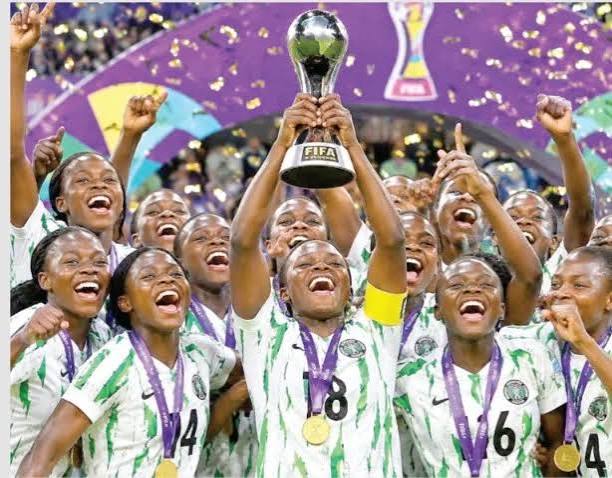
Quote: “The Flamingos have conquered the world; Nigeria must now rise to its responsibility of nurturing the next generation of champions.”
Sometimes, sporting victories
More significantly, they
Umejiaku deserves special
Umejiaku received the award
Nigeria has now broken into
For too long, young girls in
But beyond the reward, this
As Nigerians celebrate this
By; Calista Ezeaku
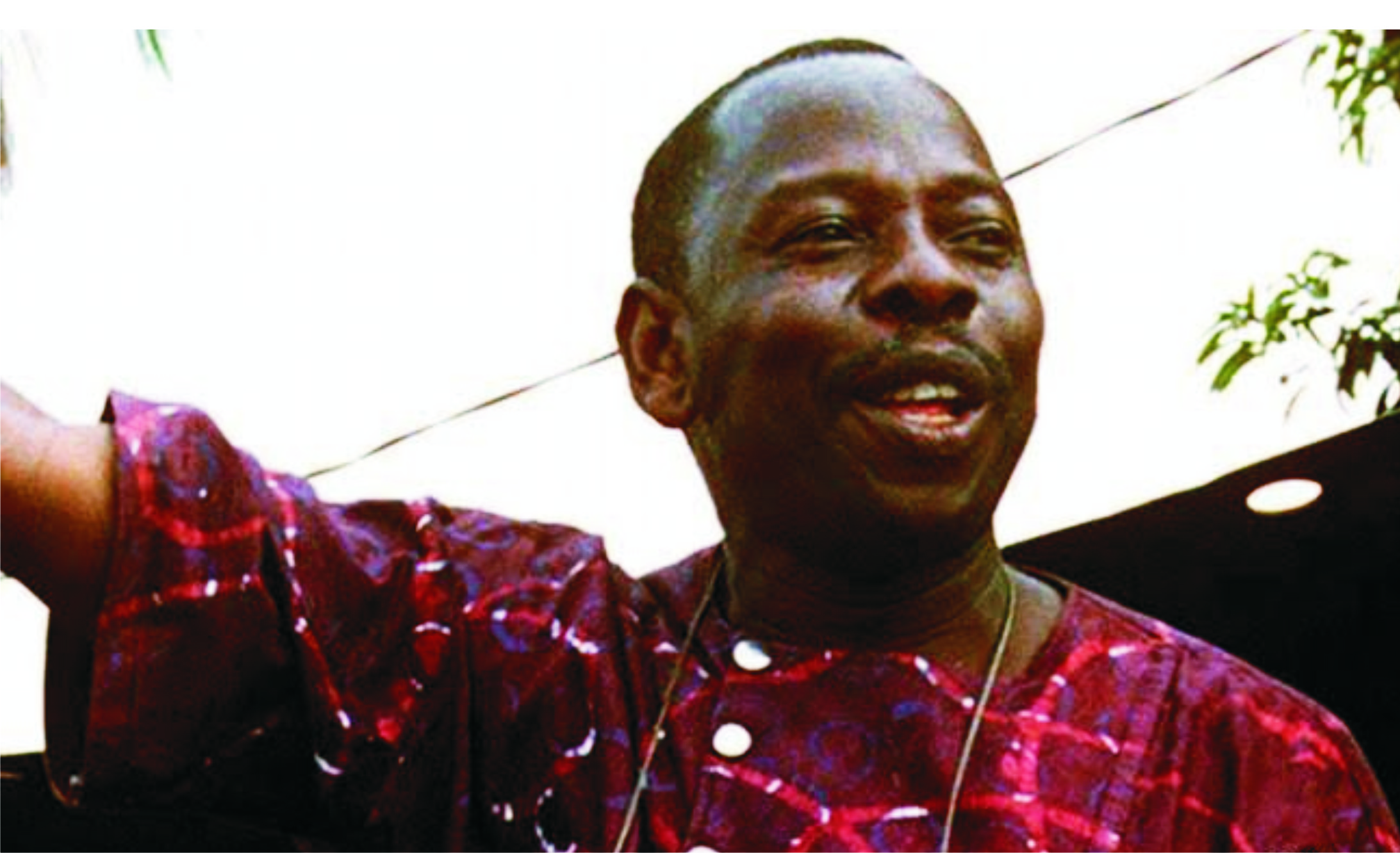
On November 10, 1995, the Nigerian military government of General Sani Abacha executed Ken Saro-Wiwa and eight other Ogoni leaders after a deeply controversial trial. Their deaths marked one of the darkest chapters in Nigeria’s history. At a time when fear silenced citizens and sycophancy flourished around military power, Saro-Wiwa chose to confront tyranny. Many Nigerians retreated into silence, while others praised the regime to secure favour. He knew the risks, yet refused to abandon a people whose land had been devastated by oil exploration and whose lives remained trapped in poverty. His courage arose from the conviction that public responsibility sometimes demands resistance to authority. Saro-Wiwa understood that speaking against a military government could lead to imprisonment or death.
Nonetheless, he believed the suffering of the Ogoni people demanded a courageous response. While oil was extracted from their land, they were left with polluted rivers, damaged farmland, declining livelihoods and an environment hostile to human survival. Fishing grounds and sources of livelihood were threatened, while the people struggled to secure basic amenities. The wealth beneath their soil brought neither adequate development nor a fair share of national resources. For him, silence in the face of injustice would have amounted to complicity. Through the Movement for the Survival of the Ogoni People (MOSOP), he organised a peaceful campaign that took the Ogoni question to the international community. MOSOP gave ordinary people an organised platform through which to express their grievances and insist on recognition.
The Ogoni Bill of Rights, presented to the Federal Government in 1990, demanded political autonomy, economic justice, environmental protection and control over the people’s resources. The campaign exposed the human and ecological costs of oil operations, particularly those associated with Shell, and challenged the apparent alliance between corporate interests and an unresponsive State. The Ogoni struggle became a defining expression of minority rights and environmental justice in Nigeria and Africa. Saro-Wiwa’s writings and mobilisation drew attention to communities treated as expendable because of their limited population and political influence. He argued that numerical strength should never determine a people’s value or rights.
A minority community does not become less deserving of justice because it cannot command electoral numbers or political power. In Nigeria, every ethnic group deserves dignity, protection and a fair opportunity to benefit from the commonwealth. Rather than respond to peaceful agitation with dialogue, the Abacha regime resorted to repression. Ogoni leaders were harassed, detained and killed; others fled into exile. The crisis intensified after four Ogoni chiefs were killed in May 1994. Saro-Wiwa and other MOSOP leaders were arrested, tried by a special tribunal and executed despite international appeals for clemency and serious concerns about the trial’s fairness. The executions drew worldwide condemnation and intensified scrutiny of Nigeria’s human-rights record and oil companies in the Niger Delta.
They demonstrated the danger of using State institutions to suppress peaceful demands. The proceedings remain a reminder of the need for judicial independence and due process. Saro-Wiwa’s courage rested on the conviction that justice must be pursued despite the cost. His method combined non-violent resistance, public education and grassroots organisation. His struggle recalled the civil-rights campaign of Martin Luther King Jr. and the power of peaceful mobilisation against injustice. Saro-Wiwa linked environmental degradation to political exclusion, economic exploitation and the denial of democratic rights. Oil-producing communities, he insisted, should not remain zones from which wealth is removed to develop other parts of the country.
Their people must benefit through roads, schools, healthcare, jobs and clean water. Resource extraction carries a duty to protect host communities. His argument extended to the structure of the Nigerian federation. He challenged a revenue-allocation system that made oil-producing communities bear the environmental and social costs of extraction without commensurate benefits. Like advocates of fiscal federalism, he believed resources should be managed and shared equitably. He envisaged a society in which no community would be disadvantaged by its size, ethnicity, political affiliation, culture or religion. His vision was a country bound together by justice and equal citizenship. Saro-Wiwa was also a gifted writer, dramatist and public intellectual.
Through books, essays, plays and television, he documented Nigerian society’s contradictions and challenged abuses of power. His popular television series, Basi and Company, demonstrated his creative range, while his leadership of the Association of Nigerian Authors encouraged writers to engage national questions. He believed literature should not be detached from society’s struggles. His pen exposed environmental injustice, political repression and the dangers of silencing courageous voices. He used storytelling, satire and drama to shape public consciousness and expose social contradictions. His literary achievements gave his activism wider reach and made the Ogoni experience part of national conversation. His commitment to the Ogoni people extended beyond the oil question.
During the Civil War, he worked to protect his vulnerable community. He urged younger generations to reject subservience and complacency and pursue change through lawful, peaceful means. Citizens, he believed, must not surrender their responsibility to challenge wrong doing. An injury to one community threatens the rights and security of all. The return to democratic government in 1999 and the establishment of the Niger Delta Development Commission, the Ministry of Niger Delta Affairs and the Hydrocarbon Pollution Remediation Project (HYPREP) are among developments that have kept the region’s demands in public view. Saro-Wiwa did not create these institutions, but his movement helped expose the urgency of intervention and sustain pressure for redress.
His death made it harder to ignore the Niger Delta’s environmental and political grievances. Yet, interventionist institutions do not prove that the original demands have been met. Their effectiveness depends on competent leadership, transparent spending, measurable outcomes and community participation. Yet, thirty-one years after his execution, the central concerns of the Ogoni struggle remain unresolved. The HYPREP-led clean-up has offered hope, but many residents await meaningful improvements. Questions persist about the programme’s pace, quality and transparency, and whether its benefits reach ordinary people. A clean-up should be judged not by ceremonies or contracts, but by restored land and waterways, safe drinking water, improved livelihoods and better public health.
It must include long-term monitoring to ensure treated sites remain safe. Residents deserve information about contamination, remediation methods and completion timelines. Reports that water projects in Gwara and Ebubu Communities, in Khana and Eleme Local Government Areas respectively, failed weeks after commissioning have raised further concerns. If confirmed, the failures would indicate weaknesses in supervision, procurement and quality control.
To be continued in our next edition.
Taneh Beemene
-
Business4 days ago
BSG Partiner American Coy To Invest $100m In Gas Processing
-

 Oil & Energy4 days ago
FG To Double Oil, Gas Reserves, Moves To Intensified fresh Exploration
-
Business4 days ago
Seme Customs Intercepts Live Pacific Ridley Sea Turtle
-
Sports4 days ago
Fernandes Turns Down Man Utd Offer
-
Business4 days ago
159m small businesses registered on database in three years – SMEDAN boss
-
Sports3 days ago
Rivers To Host National Table Tennis Championship
-
Maritime4 days ago
Nimasa,China MSA Sign Bilateral Maritime Agreement
-

 Sports4 days ago
Kenyans Win PH International Marathon, Cart Home $10,000