Connect with us

Featured

Rivers’ Blue Economy: Moving From Potential To Coordinated Action

Published

on

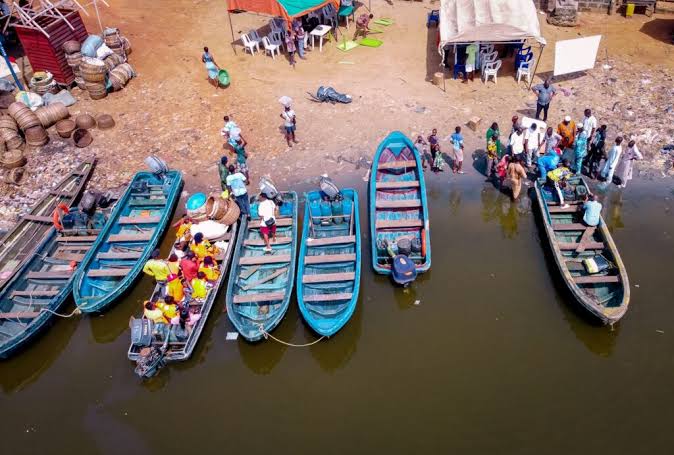
The conversation around Rivers State’s Blue Economy is growing, and rightly so. Few states in Nigeria possess the combination of rivers, creeks, wetlands, coastline, fisheries, coastal communities and maritime activities that we have. These are important natural and economic assets. But identifying the potential is only the beginning.
The more important question is: how do we organise and coordinate our efforts so that these resources translate into jobs, investment, stronger livelihoods and sustainable economic growth? For me, that is where the next phase of the conversation should begin. Rivers State has opportunities across fisheries and aquaculture, marine transportation, logistics, tourism, boat building and repairs, seafood processing, environmental restoration and several other water-based enterprises.Yet these activities do not exist in isolation. Fisheries depend on water quality. Water quality is influenced by activities both on land and on water. Wetlands support livelihoods, provide habitats for important species and contribute to natural flood management.
 Roads, jetties and waterfront infrastructure can improve access and commerce, but development must also take account of drainage, ecosystems and surrounding communities. Pollution generated on land does not necessarily remain on land. Much of it eventually finds its way into our drains, creeks, rivers and estuaries. This is why developing the Blue Economy requires us to look beyond the water itself. Land and water are connected, and our development planning must recognise that connection.
The Blue-Green Connection
This thinking is at the heart of the Blue-Green Continuum Framework, which I developed as an integrated approach to sustainable development. The idea is straightforward: our rivers, wetlands, mangroves, forests, settlements, infrastructure, industries and communities are parts of an interconnected system. Decisions made in one part of that system can have consequences elsewhere. Our development planning should increasingly reflect this reality. This does not mean replacing existing institutions or mandates. Rather, it means creating stronger connections among them so that policies, projects and investments can reinforce one another.
Coordination Matters
One of the practical issues in developing a Blue Economy is that many institutions naturally have responsibilities within the same development space. Environment, transportation, land administration, fisheries, infrastructure, energy, investment promotion and community development may fall under different ministries, departments, agencies and regulatory institutions. Each institution has its legitimate responsibilities. The opportunity before us is to strengthen the connections between those responsibilities. When information moves more easily between institutions, when responsibilities are clearly understood and when environmental and social considerations are integrated early into project planning, government is better positioned to make timely and informed decisions.
The answer, therefore, may not always be to create another institution. Sometimes, the greater value lies in helping the institutions we already have to work together more effectively.
From Sector Planning to Integrated Planning
Rivers State would benefit from a clearly coordinated Blue Economy development framework connecting economic opportunities with environmental management, infrastructure, investment, community livelihoods and spatial planning. Such a framework should help us answer some practical questions. Who provides overall coordination for Blue Economy development? How do the responsibilities of relevant ministries and agencies connect? Where do mandates intersect? What pathway should an investor follow when establishing a Blue Economy enterprise?  What environmental and social safeguards should be considered from the beginning? How should host and riverine communities participate? What information should institutions share? And how do we measure whether our interventions are genuinely creating economic value and improving livelihoods?
These may sound like administrative questions, but they have real economic consequences. Good coordination can help good ideas become viable projects.
Building a Shared Information Base
Another area worth strengthening is the way development information is connected and used. Environmental data, infrastructure plans, land-use information, investment opportunities, community information and natural-resource data become more useful when institutions can see how they relate to one another. Digital tools, particularly Geographic Information Systems, can support this process by helping decision-makers understand the relationship between communities, infrastructure, ecosystems, economic activities and environmental pressures. The objective is not simply to collect more data. It is to enable relevant institutions to make decisions from a stronger and increasingly shared understanding of the same development space. This can improve planning, reduce avoidable conflicts and help identify environmental or social concerns before projects reach advanced stages.
Making Investment Easier to Navigate
Government has an important enabling role, but the Blue Economy will also require responsible private investment.
Opportunities exist in fisheries, aquaculture, marine transportation, logistics, tourism, seafood processing, renewable energy and supporting services. Investors, however, need clarity. They need to understand where opportunities exist, which institutions are relevant, what approvals are required and what environmental and social obligations must be satisfied. A more coordinated investment pathway could therefore add considerable value.The Rivers State Investment Promotion Agency, working alongside relevant ministries and regulatory institutions, can continue to provide an important bridge between credible investors and government processes. This is not about weakening regulation. It is about making regulation clear, coordinated and predictable.Good regulation should protect the public interest while giving responsible investors a clear understanding of what is expected of them.
Communities Must Be Part of the Economy
There is another part of this conversation that deserves equal attention: our riverine and coastal communities.
For generations, many of these communities have depended on fishing grounds, mangroves, creeks, waterfronts and other natural resources for their livelihoods and cultural identity. As Blue Economy opportunities expand, communities should be active participants in that development. Participation is most meaningful when it begins during planning, not only after projects have been designed. There is also an opportunity to deliberately connect young people and women to emerging value chains in aquaculture, processing, tourism, marine services, environmental restoration, transportation and related enterprises. Ultimately, the success of a Blue Economy should not be measured only by the number of projects attracted or the value of investments recorded. People should be able to feel its impact in their livelihoods.
Environmental Protection Is Economic Protection
Environmental management should therefore be seen as part of economic planning rather than something separate from it. When waterways are polluted, fisheries and livelihoods suffer. When mangroves and wetlands are degraded, we lose important ecological assets and natural protection. When drainage systems and natural flood pathways are obstructed, communities, infrastructure and economic activities become more vulnerable. Protecting these ecosystems is therefore also about protecting the natural capital upon which much of the Blue Economy depends. This is particularly important in Rivers State, where urban development, industrial activity, pollution, flooding, wetland pressures and coastal processes often interact within the same environment.
The Blue-Green Continuum
This brings me back to the Blue-Green Continuum.
The future of Rivers State cannot be planned as though our land economy and water economy exist in separate worlds. They meet every day. They meet in our wetlands and coastal communities. They meet in our drainage systems, agriculture and fisheries. They meet in transportation, infrastructure and pollution control. Above all, they meet wherever development changes the relationship between people, land and water. Our planning processes should increasingly meet there too. This is where I believe the Blue-Green Continuum Framework can contribute to the wider development conversation — not as another layer of bureaucracy, but as a practical way of understanding development as an interconnected system.
From Conversation to Coordinated Action, Rivers State has considerable Blue Economy potential. The task before us is to continue translating that potential into coordinated and measurable action. This means strengthening institutional coordination, clarifying responsibilities where necessary, improving information sharing, integrating environmental and social safeguards, creating clearer investment pathways, involving communities and establishing indicators that allow us to measure progress. The pathway can be expressed simply: Diagnose. Harmonise. Clarify. Connect. Plan. Act. Measure. Adapt. Done consistently, these steps can help turn the Blue Economy from a promising development concept into something people can see and experience.
It can create businesses and jobs. It can strengthen livelihoods. It can attract responsible investment. It can support healthier ecosystems. And it can open new economic opportunities for communities across Rivers State. Our natural environment has given us enormous possibilities.  Our institutions already possess knowledge, mandates and experience across many of the sectors required to unlock them.The opportunity now is to connect these strengths more deliberately. The water is there.The opportunities are there. The institutions are there. The next step is coordinated action.
Engr. Owhonda, Juliet Nkeiruka, PhD, is a petroleum engineer, environmental safeguard specialist and gas policy strategist. She is the author of The Blue-Green Continuum: An Integrated Framework for Sustainable Development. She writes from Port Harcourt.
Continue Reading

Featured

Fubara Calls For Unity, Peace, As Rivers Marks Nigeria’s 66th Independence Anniversary

Published

on

?Rivers State Governor, Sir Siminalayi Fubara, has called on the people of the State to remain united, peaceful and committed to the service of God for the continued development and prosperity of the State.

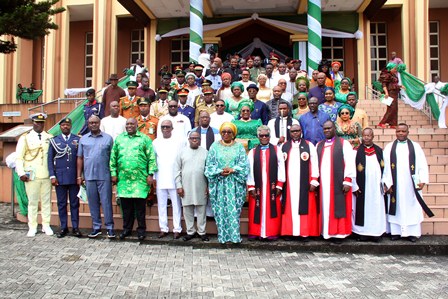
Fubara made the call during an Inter-Denominational Church Service held to commemorate Nigeria’s 66th Independence Anniversary at the Cathedral Church of St. Paul, Rebisi, in Port Harcourt on Sunday.

?Represented by his deputy, Prof. Ngozi  Odu, the governor  urged the Rivers people to pray for unwavering commitment, enduring peace and unity, stressing the need for the people to remain united and speak with one voice.

?According to him, continued dedication to God and unity among the people would contribute significantly to the State’s development and human prosperity.

?Fubara also prayed that God would continue to bless and keep the people of Rivers State in peace, assuring that the State would continue to witness greater developmental achievements.

?In his Sermon, Dean, Church of Nigeria, Archbishop, Province of Niger Delta and Bishop of Ikwerre Diocese, the Most Revd. Blessing Enyindah,  urged Nigerians to remain hopeful, insisting that God has not forgotten the country despite its challenges, struggles and setbacks.

?Drawing inspiration from Isaiah 49:14-15, where the prophet assured the people of Israel of God’s unfailing love and remembrance, Enyindah  noted that the biblical message remained relevant to Nigeria.

?According to him, “God is saying to Nigeria and Nigerians, I will not forget you. God has not forgotten Nigeria,” he declared.

?He said   Nigerians must examine their character, promote honesty and integrity, improve productivity and contribute meaningfully to the development of the country.


Continue Reading

Featured

UNICEF Strengthens Public Health Emergency Preparedness Across 10 States

Published

on

The United Nations International Children’s Emergency Fund (UNICEF), Nigeria’s Enugu Field Office, in collaboration with the Abuja Front Office, has vowed to strengthen public health emergency preparedness and health security systems, with particular focus on flood and cholera preparedness across 10 UNICEF-supported states.

The 10 targeted states are Rivers, Benue, Delta, Enugu, Anambra, Imo, Abia, Ebonyi, Cross River and Kogi.

The three-day multi-sectoral meeting held from 21–23 September 2026 at the Golden Tulip Hotel, Port Harcourt, brought together representatives from State Ministries of Health, State Primary Health Care Development Agencies/Boards, State Emergency Management Agencies and other relevant MDAs, alongside UNICEF, the Nigeria Centre for Disease Control and Prevention (NCDC), National Emergency Management Agency (NEMA) and WHO.

The Permanent Secretary, Rivers State Ministry of Health, Dr. Vincent Worgu Wachukwu, delivered the welcome address, while Dr. Joy Wihioka, representing the Rivers State Primary Health Care Management Board, also addressed participants.

Opening remarks were delivered on behalf of the UNICEF Chief of Field Office, Enugu, Juliet Chiluwe, by Dr. Hilary Ozoh.

Technical sessions were facilitated by NCDC, NEMA and UNICEF, represented by Mr. Paul Labaran Majam, Mr. Chidi Ogundu, Dr. Eghe Abe, Dr. Ifeyinwa Anyanyo, Dr. Hilary Ozoh and Maureen Zubie-Okolo.

Sessions covered multi-hazard preparedness, outbreak investigation and response, Incident Management Systems, PHEOC coordination, risk assessment, flood and cholera preparedness, multisectoral coordination and emergency response planning.

A key feature was a tabletop simulation of a flood-triggered public health emergency, which tested coordination, information sharing, escalation and response arrangements involving health authorities, SEMA, State PHEOCs, other MDAs, communities, and traditional and religious leaders.

The exercise highlighted the importance of timely information sharing, early partner engagement, effective logistics and referral systems, and rapid access to emergency funds and supplies.

Participants identified critical gaps in emergency planning, PHEOC and Rapid Response Team capacity, laboratory systems, emergency stockpiles, logistics, and coordination between disaster management and public health structures.

The affected states committed themselves to strengthening surveillance and early warning, multi-sectoral coordination, flood and cholera preparedness, community engagement, continuity of essential health services and domestic financing for emergency preparedness and response.

As a key next step, participating states will develop costed and time-bound preparedness action plans with clearly defined responsibilities, resource requirements, timelines and monitoring mechanisms.

Meanwhile, regular progress reviews will support implementation, accountability and sustained improvements in public health emergency preparedness and health security.


Continue Reading

Featured

UNGA81: Shettima Leads Nigeria’s Delegation To New York

Published

on

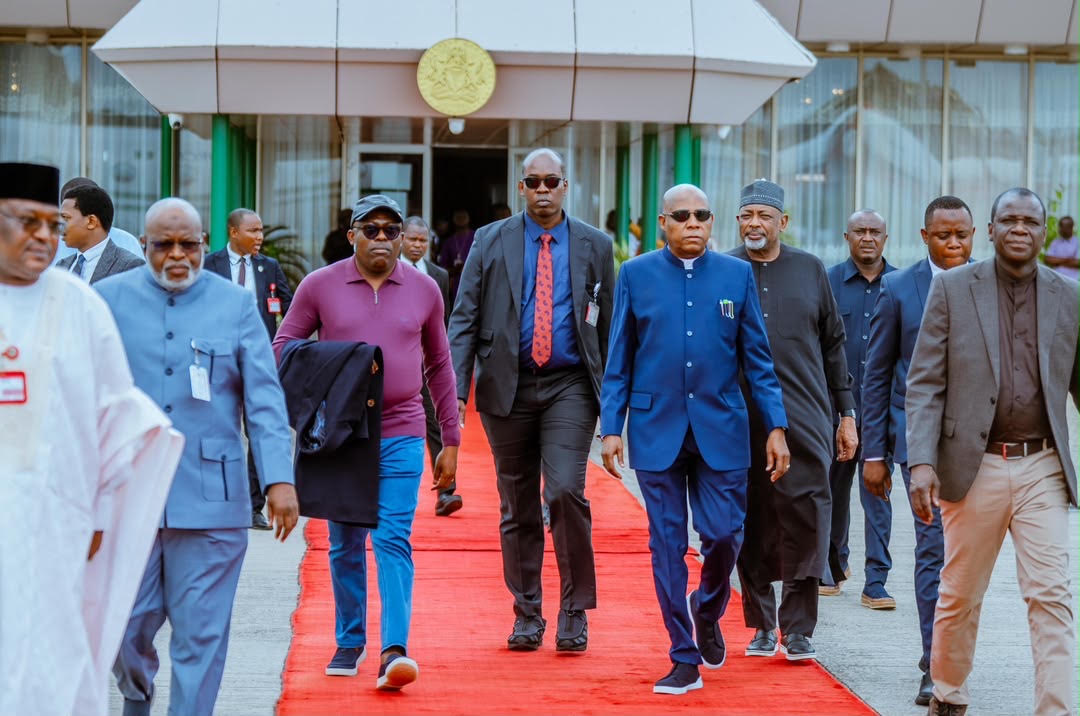
President Bola  Tinubu has directed Vice President Kashim Shettima to lead Nigeria’s delegation to the 81st Session of the United Nations General Assembly, UNGA, in New York, United States.

Mr Stanley Nkwocha, Senior Special Assistant to the President on Media and Communications, made this known in a statement in Abuja, yesterday.

The Tide source reports that the 81st UNGA General Debate will hold from September 22 to 28,

The theme of the UNGA is, “Restoring trust, managing transformation: A United Nations that delivers for all.”

Nkwocha explained that at the General Debate, Shettima would deliver Nigeria’s national statement.

He said the statement would outline Nigeria’s position and priorities on major global issues with implications for national development, peace and security, economic growth and international cooperation.

The presidential aide also said that Shettima would participate in high-level meetings during the UNGA week.

Nkwocha explained further that VP Shettima’s engagements would focus on  the Right to Development, climate action and other issues of strategic importance to Nigeria and the African continent.

Similarly, he said Shettima is also expected to join other world leaders at the traditional reception for Heads of Delegation and participate in a series of bilateral meetings with leaders of other countries and international organisations, as well as development partners on the sidelines of the General Assembly.

“The engagements will provide Nigeria an opportunity to advance President Tinubu’s economic diplomacy, deepen strategic partnerships and strengthen the country’s voice on reform of the global financial architecture, sustainable development, climate finance and multilateral cooperation.”

Nkwocha said that VP Shettima will return to Nigeria at the conclusion of his engagements in New York.

Continue Reading

Trending