
Maritime
Apapa Ports Manager Advocates Woman Involvement In MWP Bootcamp

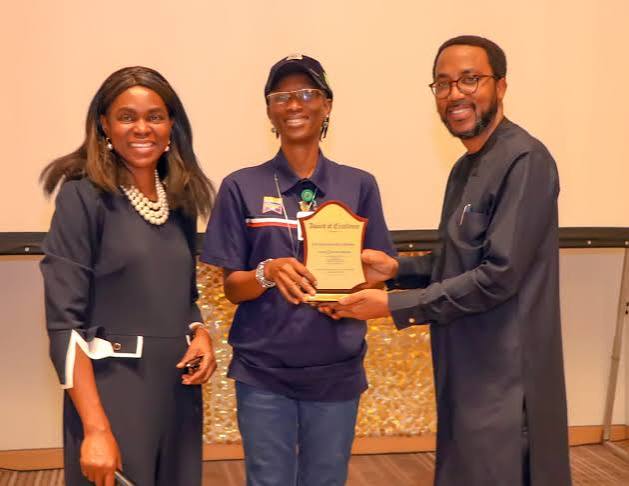
The Nigerian Ports Authority (NPA), Lagos Ports Complex Manager, Mr. Debo Lawal, has urged participants at the 6th annual Maritime Writes Project (MWP) Creative Writing Bootcamp to use their voices to promote Nigeria’s maritime and port sector as an industry that embraces inclusion.
Lawal, who was Special Guest of Honour at the Opening of the 2026 bootcamp at the Multi-Purpose Hall, Apapa Port, Lagos, encouraged participants to maximise the opportunity to highlight the growing participation of women in traditionally male-dominated maritime roles.
He noted that there are more than 10 female crane operators in Lagos port, alongside female tugboat pilots and numerous other women working across in the port.
According to him, the growing presence of women in operational and technical positions demonstrates that the maritime sector offers opportunities for women and should be portrayed as an inclusive industry.
Lawal formally opened the bootcamp, which brings together young writers, maritime stakeholders, academics and mentors under the theme, “Voyages Through Chokepoints: Power, Passage and Life at Sea.”
The Head of Faculty for the 2026 edition and Dean, Faculty of Arts, Adeleke University, Prof. Adegbite Tobalase, urged participants to use the bootcamp to develop their individual voices and understand the discipline required to produce original works.
“We welcome you not merely to a training programme, but to a mission: to grow literary talent through maritime storytelling, and to deepen Nigeria’s maritime consciousness through the power of the written word,” he said.
In his goodwill message, the Director, International Ocean Institute-Nigeria Centre (IOI-Nigeria), Mr. Akanbi Williams, commended MWP for combining creative writing with practical exposure to the maritime sector.
The Institute, which has partnered with MWP for five years, urged participants to “observe, listen, question, learn and write,” stressing the importance of looking beyond ships, ports and waterways to the people, communities and livelihoods connected to the maritime environment.
It said storytelling could help communicate maritime knowledge to wider audiences, particularly young Nigerians, while encouraging greater understanding of the sector and the blue economy.
Earlier, the Project Coordinator, Maritime Writes Project, Ezinne Azunna, said the initiative was designed to bridge creative writing and maritime awareness by exposing young writers to the realities of the sector.
She said participants would engage with maritime professionals, facilities and communities, enabling them to develop stories grounded in authentic industry experiences.
The 2026 theme draws attention to the significance of maritime chokepoints to global trade, diplomacy, economics and human activities. Mentorship sessions and facility tours are designed to help participants develop stories based on real maritime experiences.
For returning participants, the impact of MWP extends beyond creative writing.
One of the project’s alumni, Uche Ohiaeri, who returned for the 2026 edition, said her participation in the programme in 2022 transformed her confidence and broadened her interests from creative writing to environmental conservation and community development.
Ohiaeri recalled that she initially joined because she simply enjoyed writing, but the experience challenged her to ask deeper questions about the ocean, the environment and communities connected to them.
She subsequently became involved in conservation activities at her school, where she taught younger students, and eventually wrote her first book.
According to her, the programme gave her the confidence to explore opportunities she had not previously considered and showed her that creative writing could serve as an entry point into wider environmental and civic engagement.
The Maritime Writes Project has previously held sessions in Lagos, Osun an
d Rivers states and has produced three published anthologies featuring 17 stories by past participants.
The organisers noted that African writers remain significantly under-represented in maritime fiction and that MWP is encouraging a new generation of Nigerian writers to explore stories around the ocean, shipping, coastal communities and the blue economy.
by Nkpemenyie Mcdominic, Lagos


Continue Reading
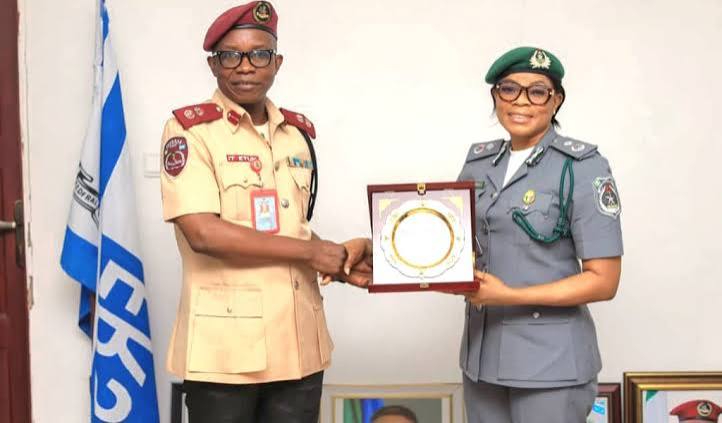
The Nigeria Customs Service (NCS), Cross River/Calabar Free Trade Zone/Akwa Ibom Area Command, has intensified efforts to combat smuggling, strengthen border and maritime security, and facilitate legitimate trade through closer collaboration with security agencies and private-sector operators.q
The Acting Customs Area Controller, Deputy Comptroller, Dr Nkiru Nwala, led delegations to the 13 Brigade of the Nigerian Army, Eastern Naval Command, Nigeria Security and Civil Defence Corps (NSCDC), Federal Road Safety Corps (FRSC) and Shoreline Logistics Nigeria Limited on Wednesday, October 14, 2026, to strengthen institutional relationships and improve operational coordination.
The engagements focused on intelligence sharing, coordinated enforcement operations, protection of critical national assets, road safety, maritime security and compliance with Customs regulations.
Speaking during the visits, Nwala emphasised the need for sustained cooperation among security agencies to address smuggling and other criminal activities, protect government revenue and safeguard Nigeria’s economic interests.
She noted that geographical characteristics of the Command’s operational environment, which encompasses land borders, coastal communities and maritime routes, made collaboration particularly important in tackling illicit activities and emerging security threats.
At the 13 Brigade of the Nigerian Army, the Customs delegation was received by the Brigade Commander, Brigadier General P.O. Alimikhena.
The discussions highlighted the strategic importance of cooperation in securing border areas, combating smuggling and protecting the nation’s territorial integrity.
The Customs delegation stressed that intelligence sharing, timely communication and coordinated enforcement operations would strengthen the effectiveness of both agencies and improve security across the region.
Similarly, during a visit to the Eastern Naval Command, where the delegation was received on behalf of the Flag Officer Commanding by the Chief of Staff, Rear Admiral S. Ibrahim, Nwala underscored the complementary responsibilities of Customs and the Nigerian Navy in securing the country’s maritime environment.
She noted that closer collaboration was necessary to prevent the exploitation of waterways for smuggling and other illicit activities, while strengthening maritime enforcement and protecting legitimate trade.
The engagement also highlighted the need for effective communication and operational coordination between the two agencies to address emerging challenges in the coastal and maritime environment.
At the Cross River State Command of the NSCDC, the delegation was received by the State Commandant, CE Okarazu.
Nwala highlighted the importance of cooperation in addressing security challenges, protecting critical national assets and ensuring the effective discharge of the agencies’ respective statutory responsibilities.
She called for stronger communication channels, intelligence sharing and coordinated operations to tackle emerging threats and safeguard national economic interests.
The Customs chief also stressed the importance of cooperation with the FRSC in promoting road safety, facilitating legitimate trade and securing transportation routes within the Command’s area of responsibility.
Received by the Cross River Sector Commander, Corps Commander IT Etuk, the delegation discussed the importance of safer roads and efficient transportation networks to Customs enforcement activities and the movement of goods.
Nwala noted that road transportation remained critical to Customs operations, adding that improved coordination between the two agencies would enhance operational efficiency, promote road safety and support the smooth movement of legitimate commerce.
Beyond security partnerships, the Command also engaged the private sector, visiting Shoreline Logistics Nigeria Limited to strengthen stakeholder relations and improve trade facilitation.
The company’s Base Manager, Mr Larry Idehen, received the delegation.
During the meeting, Nwala emphasised the important role of logistics operators in facilitating cargo movement, supporting supply chains and promoting efficient commercial activities.
She urged operators to uphold transparency, maintain accurate documentation and comply with relevant Customs laws and regulations, noting that compliance would help prevent infractions, improve operational efficiency and protect government revenue.
By: Nkpemenyie Mcdominic, Lagos
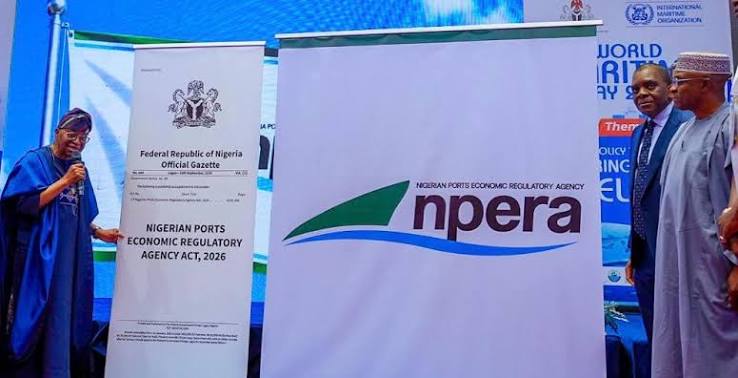
The Minister of Marine and Blue Economy, Dr.Adegboyega Oyetola has Unveils the newly gazetted Nigeria Ports Economic Regulatory Agency ( NPERA ) Act, 2026, alongside the agency’s official logo, describing the development as a significant milestone in strengthening Port regulation, boost investor confidence and enhance Nigeria’s maritime competitiveness.
Oyetola made the disclosure on Friday at the Third quarter 2026 Citizens ‘and stakeholders engagement of Marine and Blue Economy, held in Victoria Island, lagos.
The engagement, themed “Building Strategic Bilateral Partnerships for Sustainable Growth, Investment, and Technology of Nigeria’s Marine and Blue Economy,” brought together government officials, industry leaders, development partners and other stakeholders to discuss investment opportunities and reforms in the sector.
The minister said the enactment of the NPERA Act, following President Bola Ahmed Tinubu’s assent in June 2026, established a substantive statutory framework for port economic regulation after nearly two decades of efforts to institutionalise the function.
He disclosed that he had directed the immediate constitution of a ministerial committee to oversee the transition of the Nigerian Shippers’ Council, which had served as interim port economic regulator since 2014, into the new agency.
According to him, NPERA will be responsible for regulating tariffs and charges, promoting competition, enforcing service standards, resolving commercial disputes and protecting port users’ interests.
“The credibility of an economic regulator rests, in no small measure, on its independence, impartiality and freedom from responsibilities that could give rise to actual or perceived conflicts of interest,” Oyetola said.
He directed the agency to operate as an impartial arbiter, free from competing regulatory and operational responsibilities.
On port infrastructure, the minister highlighted plans to modernise Apapa, Tin Can Island, Onne, Rivers, Delta and Calabar ports, stressing that the programme would ensure balanced development across the country.
“No part of our national port system will be left behind in this modernisation programme,” he declared, adding that ports outside Lagos are equally important to Nigeria’s economic future.
He also disclosed that the Federal Government had approved the development of the Ibom, Bakassi, Agge, Gateway, Ondo and Bonny Deep Seaports to expand maritime capacity and strengthen Nigeria’s position as a regional logistics hub.
On maritime security, Oyetola said Nigeria had maintained zero piracy incidents in its territorial waters through the Deep Blue Project.
He described the lifting of the 12-year United States Coast Guard Condition of Entry on vessels arriving from Nigeria in August 2026 as a major achievement.
The development, he said, reflected progress in maritime security and compliance with the International Ship and Port Facility Security Code.
The minister further reaffirmed the government’s commitment to indigenous shipping, disclosing that he had directed the Nigerian Maritime Administration and Safety Agency to work with approved Primary Lending Institutions to accelerate the processing and disbursement of the Cabotage Vessel Financing Fund to qualified applicants.
Emphasising international cooperation, the minister cited Nigeria’s election to Category C of the International Maritime Organization Council in November 2025 and ongoing engagements with Denmark, India, Norway and the United Kingdom.
“Our approach to international cooperation is purposeful and results-oriented,” he said, noting that partnerships must strengthen local capabilities and deliver measurable, sustainable outcomes.
By: Nkpemenyie Mcdominic, Lagos
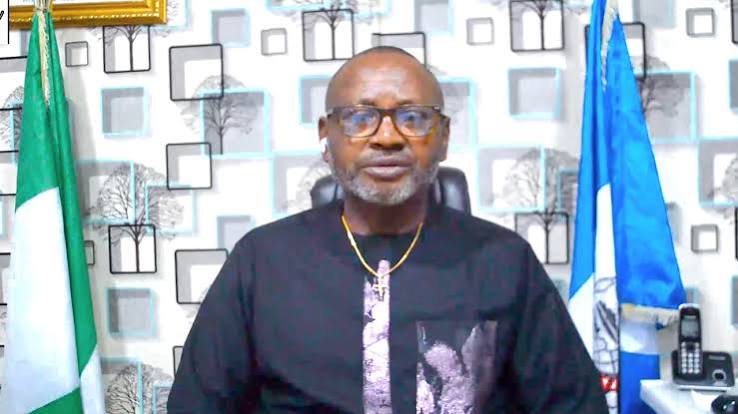
National President of the National Association of Government Approved Freight Forwarders (NAGAFF), High Chief Tochukwu Ezisi, has charged executives and members of the association’s Ports and Terminal Multiservices Limited (PTML) Chapter to embrace unity, transparency and accountable leadership to strengthen the association’s operations.
Ezisi gave the charge Thursday, during a working visit to the PTML Chapter, aimed at strengthening internal relationships, promoting collaboration among members and enhancing cooperation with key stakeholders in the maritime sector.
During the visit to the PTML Customs Command, the NAGAFF president urged the command to report any unprofessional conduct by members or executives of the association, stressing the importance of discipline and professionalism in freight forwarding practice.
He also congratulated Nura Miko on his promotion and appointment as Customs Area Controller (CAC) of the command, urging him to maintain a cordial relationship with the chapter’s leadership and provide the necessary support to facilitate its activities.
Responding, Miko commended NAGAFF for distinguishing itself among freight forwarding associations through its organisational structure and approach to industry engagement.
He assured Ezisi and his delegation of the command’s commitment to providing a conducive working environment, describing the command as a community where stakeholders must work together to achieve common objectives.
In his vote of thanks, the Deputy National President of NAGAFF, Mr Simeon Nwonu, expressed appreciation to Miko for his reception and described him as a man of his word.
At the NAGAFF PTML Chapter’s temporary secretariat, Ezisi thanked the chapter’s leadership and members for the warm reception accorded him and his delegation.
He reiterated the need for transparency, unity and mutual support, urging members to rally behind the chapter chairman and his executive team to ensure the success of their administration.
Earlier, the PTML Chapter Chairman, Fwdr. Thomas Alor, assured the national leadership of his administration’s commitment to membership mobilisation, members’ welfare and accountability to the national headquarters.
Alor pledged to discharge his leadership responsibilities diligently, assuring the national leadership that his administration would work towards achieving the chapter’s objectives.
Also speaking, the PTML Chapter Chairman of the Association of Nigeria Licensed Customs Agents (ANLCA), Chief Odinanwata Nwarienne, commended NAGAFF’s leadership for its efforts to promote seamless cargo movement and improve operational efficiency within the maritime sector.
The visit also featured a celebration in honour of Ezisi, as members of the PTML Chapter joined in celebrating the national president in recognition of his leadership.
The engagement provided an opportunity for the national leadership to interact directly with chapter executives and members, reinforce the association’s expectations and strengthen relationships with customs officials and other industry stakeholders.
By: Nkpemenyie Mcdominic, Lagos
-

 News12 minutes ago
Rivers Community Raises Alarm Over Alleged Security Invasion
-
 News11 minutes ago
2027 Elections: Police Begin Training Of 10,000 Officers
-
 News11 minutes ago
Ebola: NCDC Approves N100,000 Weekly Payment For Contacts
-

 News11 minutes ago
NDLEA Recovers Tons Of Illicit Drug Consignments In Nine States
-

 News12 minutes ago
Creek Road Market ‘ll Be Completed By Jan 2027 -Fubara
-
 News9 minutes ago
IGP Proposes 200% Gratuity, Pension For Retired Officers
-
 News6 minutes ago
Rivers CJ Declines NBA’s Request For Court-Free Days For Law Week Celebration
-
 News6 minutes ago
Bayelsa debunks Nembe-Brass bridge collapse rumour