
Nation
World Wetlands Day: HYPREP Blends Science, Tradition To Restore Ogoni Mangroves, Revive Livelihoods

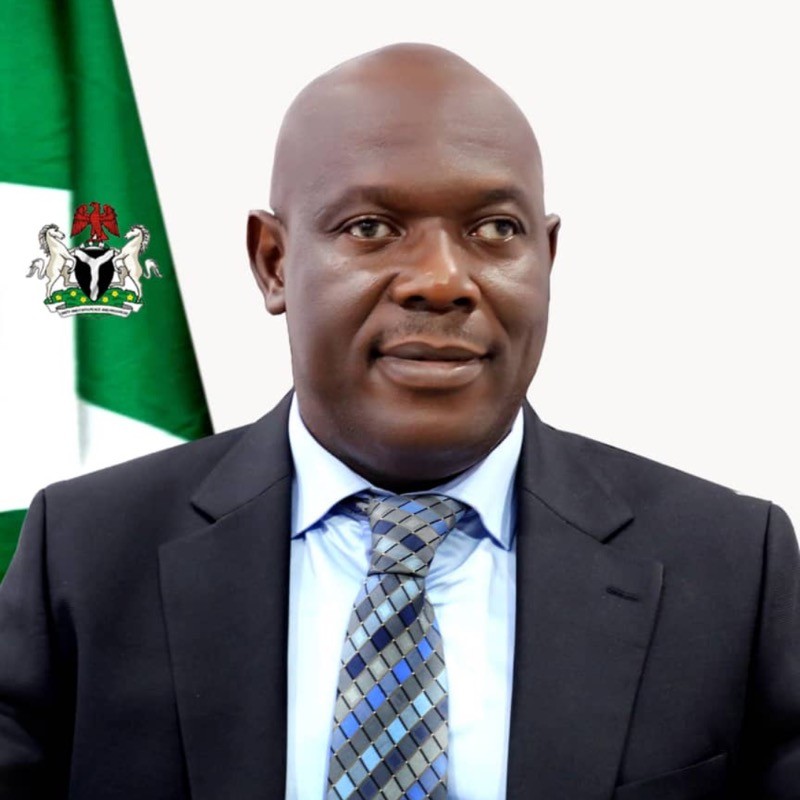
The Hydrocarbon Pollution Remediation Project (HYPREP) has reaffirmed Nigeria’s commitment to wetlands protection and ecosystem restoration, highlighting significant progress in mangrove restoration and shoreline cleanup in Ogoniland, Rivers State.
In a statement issued by HYPREP to mark this year’s World Wetlands Day on Monday, February 2, 2026,and signed by the Project Coordinator, Prof Nenibarini Zabbey, the Project said its ongoing mangrove restoration programme in Ogoni is delivering tangible environmental and socio-economic benefits by combining modern science with indigenous traditional knowledge.
The World Wetlands Day 2026 is observed under the theme, “Wetlands And Traditional Knowledge: Celebrating Cultural Heritage.”
According to Zabbey, the theme aligns strongly with the Project’s restoration approach, which integrates scientific best practices with community-led stewardship rooted in local culture.
He disclosed that Phase One of HYPREP’s mangrove restoration programme has successfully restored about 560 hectares of oil-degraded mangrove ecosystem, while Phase One of the Ogoni shoreline cleanup has reached over 76 per cent completion. These efforts, he noted, are already yielding encouraging signs of biodiversity recovery across affected creeks and improving the livelihoods of host communities.
The Project Coordinator explained that the mangrove restoration initiative is science-based and involves large-scale planting of five native mangrove species, carefully designed to mimic the natural zonation of black, white and red mangroves found in Ogoni creeks, saying, the Project also adheres strictly to health, safety and environmental (HSE) standards to ensure sustainability, inclusiveness and alignment with international wetlands conservation principles.
Beyond planting, he said the project incorporates traditional ecological knowledge, recognising the cultural and economic importance of mangroves to the Ogoni people. This approach, he noted, has strengthened community ownership and enhanced long-term environmental stewardship.
Recent post-fish stock assessments in Bomu Creek, where mangrove restoration and shoreline cleanup are ongoing, show promising signs of ecological recovery.
According to him, HYPREP reported increased fisheries production, with fish species previously absent returning to the creek. “Local fisherfolk are now recording improved catches, while women and youths have resumed picking periwinkles, signalling a revival of traditional livelihoods,” he said.
He stressed that the mangrove restoration project goes beyond environmental remediation, describing it as a catalyst for ecosystem revitalisation, cultural renewal and social recovery. Healthy wetlands, HYPREP noted, contribute to safer shorelines, improved fisheries, enhanced carbon sequestration and renewed economic opportunities for communities.
He also highlighted HYPREP’s efforts to reintroduce the West African cockle into Ogoni creeks, a species deeply connected to the cultural identity and culinary heritage of the people.
Acknowledging the role of collaboration, the Project Coordinator commended community leaders and residents, civil society organisations and relevant government agencies for their collective contributions to on-the-ground progress, and called for sustained partnerships, policy support and responsible environmental stewardship to safeguard Nigeria’s wetlands.
The Ogoniland mangrove restoration programme, Zabbey concluded, stands as a practical demonstration of how degraded wetlands can be restored to deliver lasting environmental, economic and social benefits.


The Hydrocarbon Pollution Remediation Project (HYPREP) has commemorated the 15th anniversary of the release of the United Nations Environment Programme (UNEP) Environmental Assessment Report on Ogoniland, reaffirming its commitment to restoring the environment and improving the livelihoods of affected communities.
In a statement signed by the Project Coordinator, Prof Nenibarini Zabbey, to commemorate the anniversary, HYPREP described the anniversary as a significant milestone in Nigeria’s environmental restoration efforts, noting that the project has made remarkable progress in implementing the recommendations of the landmark UNEP report released on August 4, 2011.
The UNEP report had revealed extensive oil pollution across Ogoniland, severe environmental degradation, and serious public health risks resulting from decades of petroleum operations. It also recommended an initial $1 billion fund to commence the cleanup of the affected communities.
According to HYPREP, the Federal Government formally launched the Ogoni clean-up in 2016, while the Project Coordination Office was established in 2017 to drive the implementation of UNEP’s recommendations.
Zabbey said the current administration has continued to prioritise the project under the Renewed Hope Agenda.
Providing an update on the cleanup, the Project Coordinator disclosed that 30 of the 65 contaminated sites identified by UNEP have been fully remediated, while work is ongoing at several medium- and high-risk locations. It also stated that more than 1.5 million mangrove seedlings have been planted as part of what it described as the world’s largest restoration of oil-degraded mangroves, with over 1,000 hectares of shoreline already rehabilitated.
Zabbey further revealed that 49 Ogoni communities have been connected to potable water schemes through multiple water projects and booster stations aimed at providing safe drinking water across the region.
In the health sector, he said the 100-bed Ogoni Specialist Hospital in Kpite and the 43-bed Cottage Hospital in Buan are nearing completion, adding that several existing health facilities have been upgraded with modern medical equipment, while five ambulances have been donated to improve emergency healthcare services. The Project Coordinator also disclosed that a three-year human health biomonitoring study is being conducted in collaboration with the World Health Organization’s International Agency for Research on Cancer (IARC).
On economic empowerment, Zabbey stated that the Project has created more than 8,000 direct jobs and trained thousands of Ogoni youths and women in various vocational and technical skills, including software development, cybersecurity, aviation, commercial diving, seafaring, mechatronics, and creative arts. The project also reported awarding scholarships to more than 1,000 students, providing grants to small businesses, and supporting persons living with special needs through skills acquisition programmes.
The statement further highlighted ongoing legacy projects, including the Ogoni Power Project and the Centre of Excellence for Environmental Restoration, which it said is about 96 per cent complete. HYPREP also welcomed the recent designation of the Ogoni Wetland as a Ramsar Site of International Importance and pledged to continue promoting biodiversity conservation and sustainable management of the ecosystem.
Marking the anniversary, Zabbey said the progress achieved over the past 15 years demonstrates the collective commitment of government, development partners, stakeholders, and local communities to restoring Ogoniland. He called for renewed collaboration to sustain the cleanup effort, promote environmental sustainability, and support the long-term development of the region. 3
-

 News2 days ago
RSG Targets Nine Million Residents in Mosquito Net Distribution Campaign
-

 Oil & Energy1 day ago
Aiyedatiwa Signs New Electricity Bill
-

 Oil & Energy1 day ago
NLNG Commissions Research And Innovation Centre In RSU
-

 Maritime1 day ago
Marine Minister Commends President Tinubu On NPERA Bill Assent
-

 News2 days ago
KenPoly Holds Eight Convocations, August 29
-

 News2 days ago
RSG Begins Another Phase of Projects Commissioning Today
-

 News2 days ago
RMAFC Completes Revenue Sharing Review, Proposes New Pay
-

 Maritime1 day ago
NAGAFF Petitions IGP Over Alleged Maritime Police Harassment