
Rivers
RSG, TAF Africa Launch Joint Initiative For Inclusive Governance


The Rivers State Government has said that it is committed to strengthening its collaboration with TAF Africa to enhance inclusive governance across all strata, especially for Persons Living With Disabilities (PWDs).
The Head of Service, Dr Inyingi Brown, disclosed this at the opening of a two-day capacity building workshop for 31 Disabilities and Gender Desk Officers, organised by TAF Africa in Port Harcourt.
Brown, represented by the Director of Administration, Office of the Head of Service, Mr Chimenum Mpi, said that the State Government had nominated Disability and Gender Desk Officers across 31 Ministries, Departments, and Agencies (MDAs) in the state.
She emphasised the importance of collaboration between TAF Africa and the State Government on inclusive governance.
She commended TAP Africa for its continued partnership and unwavering commitment to building a society where no one would be left behind.
Brown described the training as a significant step in building a public service that reflects fairness, access, and dignity for all.
“Your work strengthens institutions, shapes policies and, more importantly, gives voice and visibility to PWDs across our nation,” Brown said.
She urged the beneficiaries to translate their experiences to better the State Government and society.
She further advised them to return to their various offices determined to drive real, practical change.
She said that the Office of the Head of Service remained committed to strengthening institutional frameworks that support inclusion.
“We will continue to partner with credible organisations, like TAF Africa, to ensure that public service meets global standards in disability inclusive governance,” she said.
Earlier, the Chief Executive Officer and Founder of TAF Africa, Mr Jake Epelle, said the collaboration between the Rivers Government and TAF Africa would strengthen accountability, promote inclusive policy implementation, and enhance service delivery for citizens with disabilities in the state.
Epelle commended the State Government for the establishment and nomination of the desk officers and approval of the training, which he described as a major milestone in the advancement of disability- inclusive governance in the state.
He said that the training was part of the Disability Inclusive Governance Project in Rivers, funded by the Disability Rights Fund.
He said that the training aimed at equipping the officers with practical knowledge, tools, and strategies to effectively champion disability inclusion within their respective MDAs.
According to him, the swift and affirmative response of the State Government demonstrates a renewed commitment to upholding the rights, dignity, and meaningful participation of PWDs in public life, as well as mainstreaming disability inclusion in government systems, policies, and service delivery.
Epelle said with the establishment of the desks and capacity-building programme, Rivers was charting a transformative path towards a government system that truly reflects disability inclusive.
He affirmed the oganisation’s commitment to supporting the State Government and Rivers people in achieving full compliance with national and international disability rights standards.
The Keynote Speaker, Dr Krakrafaa Bestman, emphasised the importance of inclusivity and diversity in governance.
Bestman underscored the need to include PWDs in decision-making, policy design, service delivery, and accountability.
He also highlighted the need for leaders to move beyond compliance towards excellence in practice, translating policy into measurable impact.
The event was attended by government officials, partners, and members of the Rivers public service with the aim of exploring ways to move from policy to practice in disability inclusion.
By: Grace Nglass


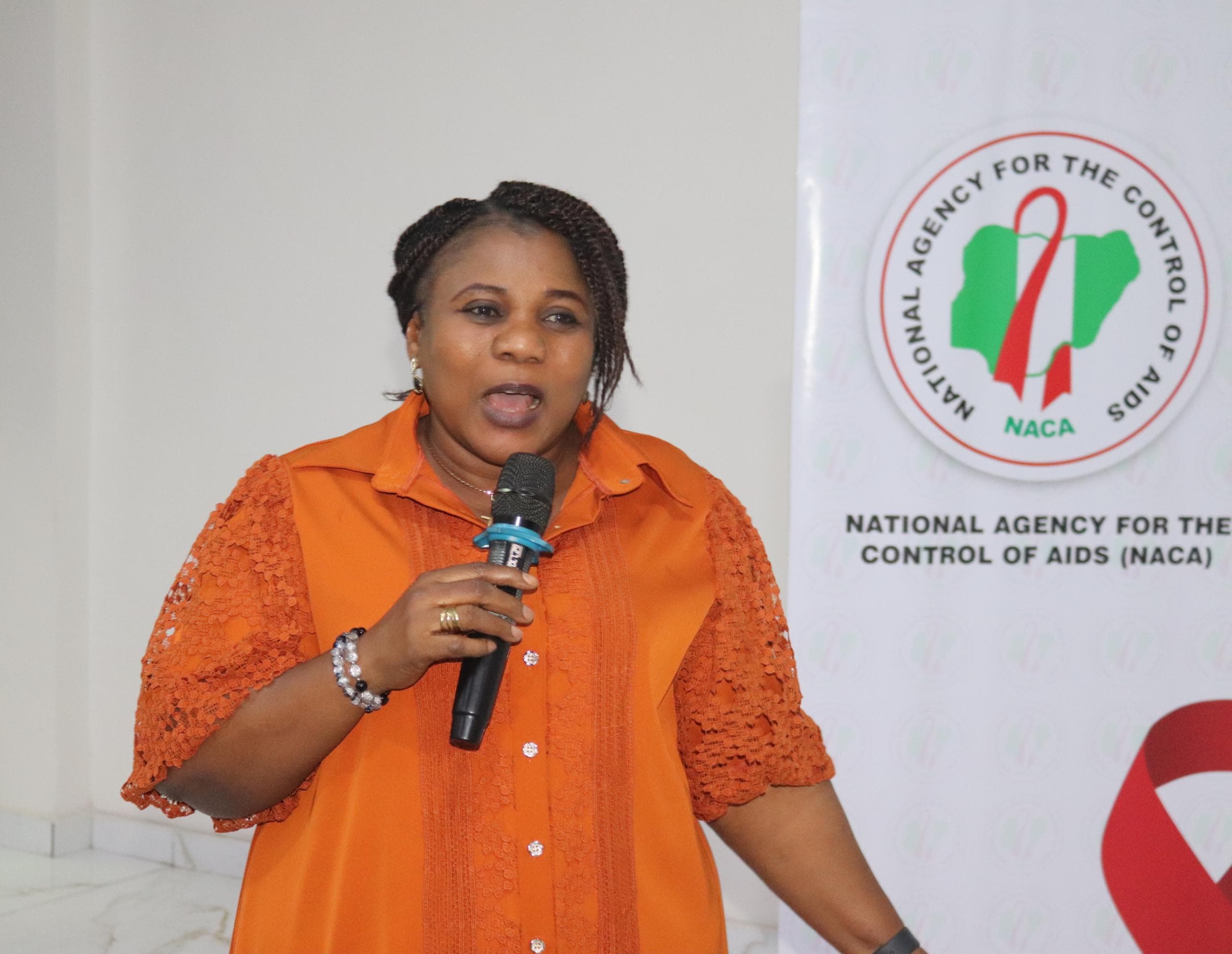
Prevention for HIV has taken yet another more advanced dimension with the introduction of the Lenacapavir (LEN) Pre-Exposure Prophylaxis (PrEP) into the stable of HIV prevention.
This was disclosed to Journalists assembled from across Nigeria in a two-day training programme on Lenacapavir in Lagos State.
In his presentation, the Lead Facilitator, and Principal Partner, Kent Consult Limited, Abuja, Dr. Segun Oyedeji, said unlike the earlier Post-Exposure Prophylaxis (PEP), which is taken to prevent HIV infection after exposure, the Lenacapavir PrEP is taken by non-infected persons.
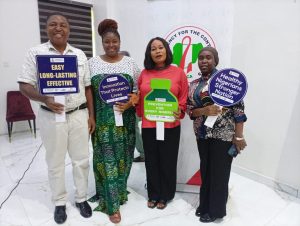
Such targeted persons are usually those exposed to vulnerable behaviours capable of exposing them to HIV infection.
“PrEP is taken before you are exposed to HIV, and comes in three forms: the daily oral PrEP, Truvada pill; the two-months interval injectible, Cabotegravir; and the long-acting bi-annually (six months interval) injectible, Lenacapavir. There’s also the Dapivrine Vaginal Ring, which women wear for one month”, he said.
Dr. Oyedeji explained that PrEP is meant for people who are exposed by their risk profile to HIV infection.
Risk profile, he explained, “is the kind of risk behaviours they exhibit in their lifestyle.”
Such people include people with a partner who has HIV, people who don’t always use condoms, sex workers, etc.

PrEP, according to Dr. Oyedeji, “builds up protection in your body so that if HIV enters your body, the medicine stops it from multiplying.”
Also, within the period the person is taking it, the person must get tested for HIV every three months interval.
So far, among the four options of PrEP, Adedeji, continued, “the Lenacapavir is the game-changer everyone is talking about.”
The reason is that it is a Capsid inhibitor, first of its class, that attacks the protein shell that HIV uses to copy itself, which is different from old drugs, and is just two injections per year, plus small starter tablets at the beginning. Not daily pills.
He, however, noted that before any of the PrEP options can be used, the person has to go through an eligibility test to ascertain which of the options would be suitable for the person, based on the person’s risky behaviour, and that all the person needs to do is to go to any health facility close to them to seek for the service, or the State Agency for the Control of AIDS (SACA) to get the right direction.

On his part, the Senior Prevention Manager, AIDS Healthcare Foundation (AHF), Mr. Adeleye Taofeek, who spoke on condom use as part of preventive measures for both HIV and Sexually Transmitted Infections (STIs), encouraged the use of condoms, especially where abstinence from sex is inevitable.
He said, “We are canvassing that as much as you use PrEP, you can also use condoms to prevent other STIs, beside HIV.
“We want the media to engage in demand creation for use of the various HIV prevention options: whether it is condom, PrEP, or change of behaviour, staying with an uninfected partner, we want the media to support the national response by creating demand for HIV prevention options.”
Earlier in her welcome address to participating Journalists at the two-day training, organised by the NACA and the Institute of Human Virology, Nigeria (IHVN), the Director-General, National Agency for the Control of AIDS (NACA), Dr. Temitope Ilori, emphsised the importance of the media in awareness creation.

She said: “PrEP is an effective HIV prevention for people who are HIV-negative and may be at risk of acquiring HIV. However, the availability of a prevention intervention is only one part of the equation. People must also have access to the right information, understand their prevention options, know where services are available, and feel confident seeking those services. This is where you, our media professionals, become indispensable partners.
“The media has the power to shape public understanding. A well researched story can dispel a misconception, encourage someone to seek a prevention service and potentially change a life. On the contrary, inaccurate or sensational reporting can create fear, reinforce stigma and discourage people from accessing HIV services.
“We, therefore, count on you to report PrEP and HIV prevention accurately, responsibly, and without stigma.”
The NACA D-G, who was represented by the Head, Public Relations and Protocol, NACA, Toyin Aderibigbe, charged the participants at the training, saying, “your reporting should make these issues understandable to ordinary Nigerians.”
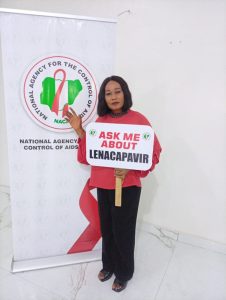
Research shows that so far there have been no infections among all the people who have received the LEN PrEP, showing almost 100% protection.
The World Health Organisation (WHO) adopted it in July 2025 as an additional PrEP option.
In Nigeria, NAFDAC approved it in the late 2025 and received regulatory clearance, with the country receiving its first batch of doses in March 2026, and subsequently distributed it to 8 pilot states.
The states are: Akwa Ibom, Anambra, Benue, Cross River, Ebonyi, FCT, Gombe, and Kwara.
Investigation revealed that since May 2026, all the pilot states are accessing the LEN, and the demand is very high, especially among sex workers who want privacy and no daily pills.
In Rivers State, although the Lenacapavir is expected to arrive soon, the daily oral PrEP (Truvada pill), and the two-months interval injectible (Cabotegravir) are available, and the relevant authorities are encouraging people to access the drug.
Sogbeba Dokubo
-
News2 days ago
Bayelsa Boat Mishap: Tinubu Donates N250m As Death Toll Hits 29
-
News2 days ago
Odu Pays Tribute To Late Chinwah, Describes Him As Courageous, Selfless Academic
-

 Maritime2 days ago
Nigeria, Russia Customs Sign MOU To Trade Facilitations
-

 Sports2 days ago
World marathon champion gets three-year doping ban
-

 Maritime2 days ago
South-South Governors Urges To Shake Off Collective Lethargic To Embrace Blue Economy
-

 Featured5 days ago
RSG Moves To Implement New Wage …Urges Polytechnic Lecturers to Call Off Strike
-

 Maritime2 days ago
Oyetola Woos Investors With Nigeria’s Seabed Resources, Marine Biotechnology
-

 Business2 days ago
Moniepoint MfB transaction volume hits 1trn daily — CEO