
Business
Nigeria, Africa Require $40bn For Stable Electricity – Adesina

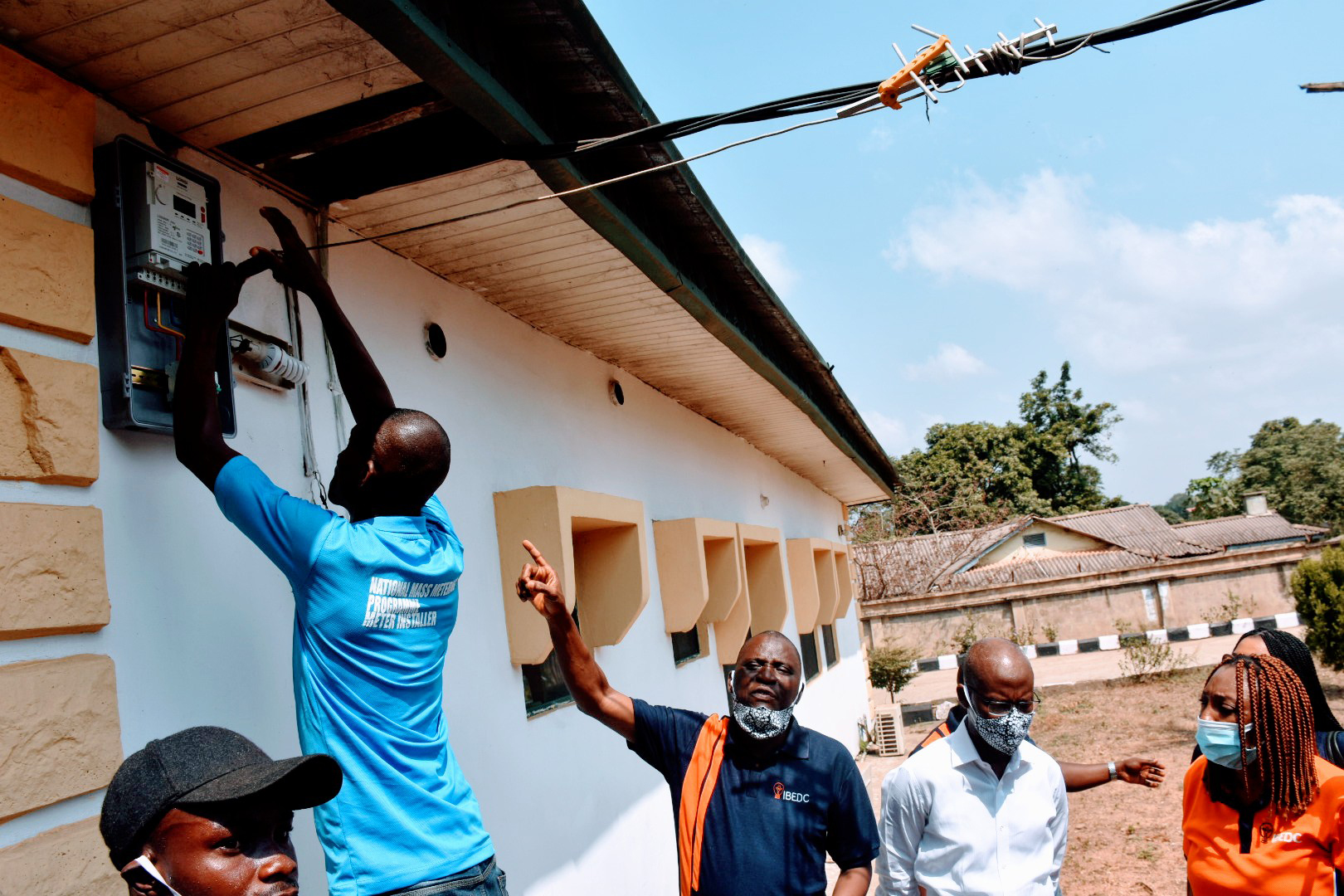
African countries, including Nigeria, will require an average of $40bn power grid investments annually for about five years to deliver stable electricity to citizens on the continent, according to the Group Managing Director (GMD), Sahara Power Group, Kola Adesina.
A statement by the energy firm said Adesina disclosed this recently in a keynote address titled, “The Future of Power in Africa”, at the Lagos Business School.
Meanwhile, data from Nigeria’s Federal Ministry of Power showed that power generation was 4,476.37 megawatts as at 6am on Tuesday.
The country’s power generation has continued to hover around 4,000 – 4,500MW since the sector was privatised nine years ago.
The successor power distribution and generation companies of the defunct Power Holding Company of Nigeria (PHCN) were officially privatised and handed over to private investors on November 1, 2013.
The Federal Government currently manages the Transmission Company of Nigeria (TransCom), which takes the power produced by generation companies and transmits it to the distribution companies (DisCos) for onward delivery to end users.
Speaking on the future of power in Nigeria and Africa, Adesina said expert projections showed that there would be an increase in energy demand across the continent in the coming years.
He noted that in 2040, this demand could be around 30 per cent higher than what was obtainable currently, noting that it was vital for all stakeholders to work towards shoring up the continent’s power grids through continuous investments.
“Massive investment in Africa’s grids is critical to improve system reliability, expand access and facilitate the integration of variable renewables,” he stated.
He added, “Annual investment in electricity grids should more than triple in the 2026-30 period, compared with 2016-20, reaching $40bn per year on average. Distribution networks account for over two-thirds of this total.”



Business
Jonathan, Diri, Others Laud Firm’s Milestone in Bayelsa …Says Project Will Drive Industrialisation, Create Jobs



-

 News2 days ago
RSG Targets Nine Million Residents in Mosquito Net Distribution Campaign
-

 Oil & Energy2 days ago
Aiyedatiwa Signs New Electricity Bill
-

 Oil & Energy2 days ago
NLNG Commissions Research And Innovation Centre In RSU
-

 Maritime2 days ago
Marine Minister Commends President Tinubu On NPERA Bill Assent
-

 News2 days ago
KenPoly Holds Eight Convocations, August 29
-

 News2 days ago
RSG Begins Another Phase of Projects Commissioning Today
-

 News2 days ago
RMAFC Completes Revenue Sharing Review, Proposes New Pay
-

 Maritime2 days ago
NAGAFF Petitions IGP Over Alleged Maritime Police Harassment