
Business
Reps Probe N275bn Agric Loans Under Yar’Adua, Jonathan, Buhari

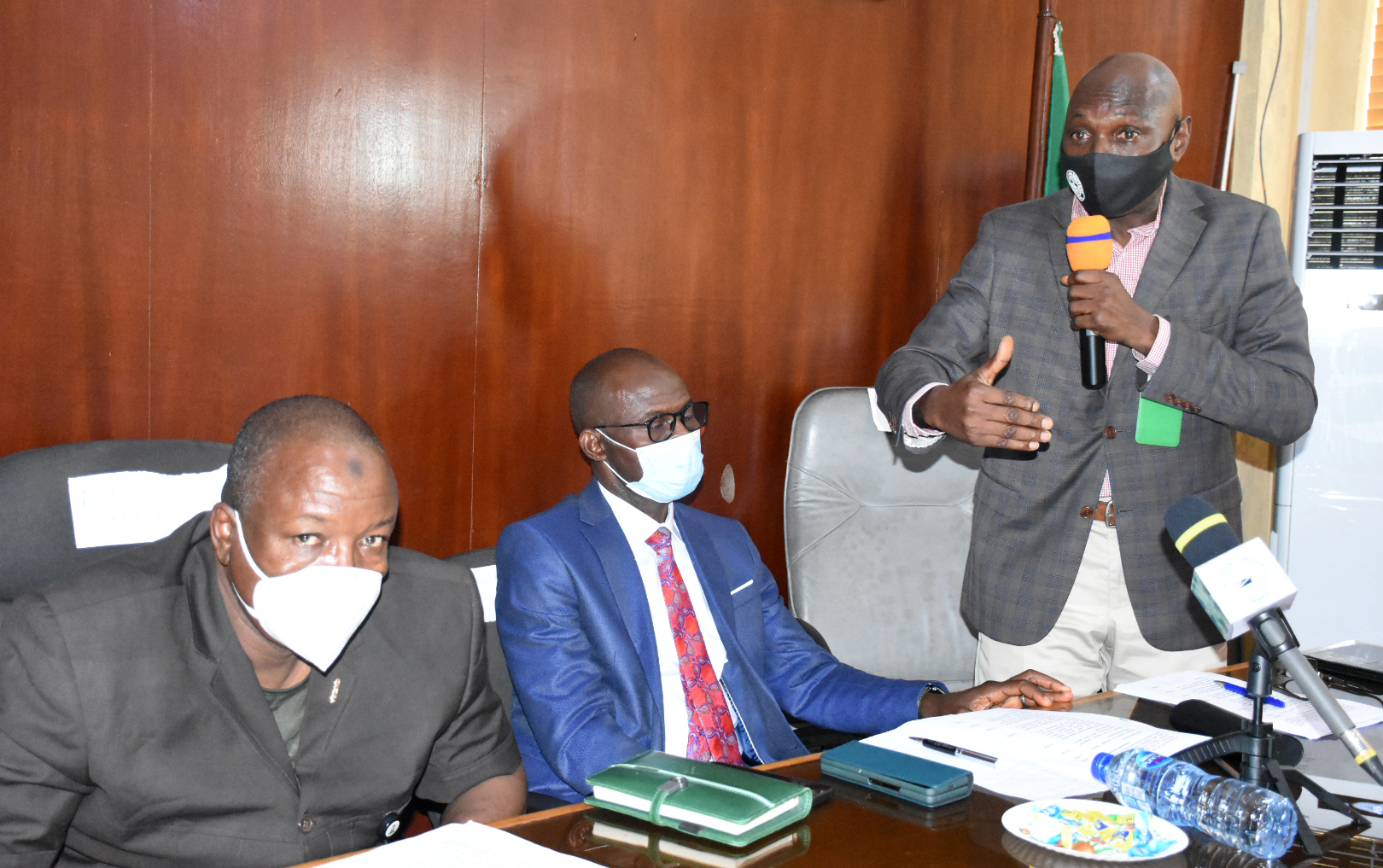
The House of Representatives has resolved to investigate the disbursement of loans and credit facilities by the Federal Government in the agriculture sector since 2009.
The period under review covers the administrations of the late Umaru Yar’Adua, Goodluck Jonathan as well as the present President, Muhammadu Buhari.
The resolution was sequel to the unanimous adoption of a motion moved by Hon. Chike Okafor at the plenary last Wednesday, titled ‘Need to investigate disbursements of all agricultural loans/credit facilities to farmers from 2009 to date to enhance national food security’.
Okafor said, from 2009 to date, the Federal Government had approved the disbursement of funds to farmers in various schemes to the tune of over N275billion, ranging from Commercial Agricultural Credit Scheme to the Nigeria Incentive-Based Risk Sharing System for Agricultural Lending, to help farmers improve agricultural production and guarantee food security in Nigeria.
The lawmaker also noted that apart from increasing food supply, the schemes were to grant agricultural loans to large and small-scale commercial farmers to lower the prices of agricultural produce, generate employment and increase foreign exchange earnings.
He said, “The House is aware that since the approval, most farmers have not been able to access the loans due to stringent requirements being demanded by banks from prospective borrowers and the alleged siphoning of over N105billion meant for farmers by management of NIRSAL.
“The House is concerned that food production has not attained the expected level, despite the approval of over N275billion facilities to farmers.
“The House is worried that the projected diversification of the economy from oil production to agricultural production and increase in agricultural output, food supply and promoting low food inflation will not be achieved if farmers are unable to access loans meant to increase agricultural production”.
Adopting the motion, the House resolved to mandate the Committee on Banking and Currency to “investigate disbursements and compliance of all agricultural loans/credit facilities to farmers from 2009 to date to enhance national food security in the country”.



Business
Jonathan, Diri, Others Laud Firm’s Milestone in Bayelsa …Says Project Will Drive Industrialisation, Create Jobs



-

 News3 days ago
RSG Targets Nine Million Residents in Mosquito Net Distribution Campaign
-

 Oil & Energy3 days ago
Aiyedatiwa Signs New Electricity Bill
-

 Oil & Energy3 days ago
NLNG Commissions Research And Innovation Centre In RSU
-

 Maritime3 days ago
Marine Minister Commends President Tinubu On NPERA Bill Assent
-

 News3 days ago
KenPoly Holds Eight Convocations, August 29
-

 News3 days ago
RSG Begins Another Phase of Projects Commissioning Today
-

 News3 days ago
RMAFC Completes Revenue Sharing Review, Proposes New Pay
-

 Maritime3 days ago
NAGAFF Petitions IGP Over Alleged Maritime Police Harassment