
Business
Four West African Countries To Buy Nigeria’s Unutilised Electricity

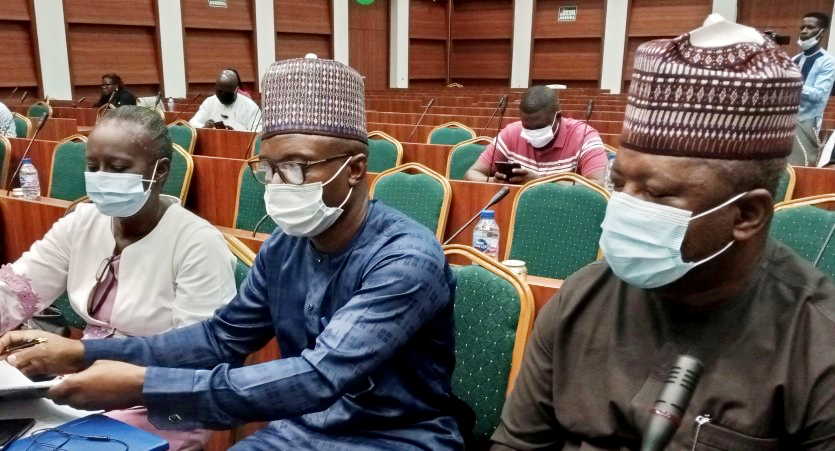
Four West African countries, Niger, Togo, Benin and Burkina Faso, are collaborating to buy the unutilised power produced in Nigeria.
The Chairman of the Executive Board of the West African Power Pool (WAPP), Sule Abdulaziz, disclosed this at the WAPP meeting on the North core project in Abuja, on Wednesday.
Abdulaziz, who is also the acting Managing Director of the Transmission Company of Nigeria (TCN), said the four countries were collaborating to make the power purchase from Nigeria through the North core Power Transmission Line currently being built.
He explained, “The power we will be selling is the power that is not needed in Nigeria.
“The electricity generators that are going to supply power to this transmission line are going to generate that power specifically for this project. So, it is unutilised power”.
He said Nigeria was expecting new generators to participate in the energy export for the 875km 330KV Northcore transmission line from Nigeria through Niger, Togo, Benin to Burkina Faso.
Abdulaziz said, “In addition, there are some communities that are under the line route, about 611 of them, which will be getting power so that there won’t be just a transmission line passing without impact”.
The WAPP chairman noted that the project, funded by World Bank, French Development Council and the African Development Bank, had recorded progress, adding that the energy ministers would be addressing security issues for the project at another meeting in Abuja.
He said, “Nigeria has the greatest advantage among these countries because the electricity is going to be exported from Nigerian Gencos (generation companies).
“So, from that, the revenue is going to be enhanced and a lot of people will be employed in Nigeria”.
The Secretary-General, WAPP, Siengui Appolinaire-Ki, said the cost of the project was about $570 million, adding that part of the investment in each country would be funded by that particular nation.
According to him, the countries in the partnership, including Nigeria, are also being supported by donors.
He said the funding agreement was ready as partner countries were awaiting the disbursements.
Appolinaire-Ki, however, said the donor agencies had said they needed a Power Purchase Agreement between the buying and the selling countries to be executed before releasing the fund.



Business
Jonathan, Diri, Others Laud Firm’s Milestone in Bayelsa …Says Project Will Drive Industrialisation, Create Jobs



-

 News3 days ago
RSG Targets Nine Million Residents in Mosquito Net Distribution Campaign
-

 Oil & Energy3 days ago
Aiyedatiwa Signs New Electricity Bill
-

 Maritime3 days ago
Marine Minister Commends President Tinubu On NPERA Bill Assent
-

 Oil & Energy3 days ago
NLNG Commissions Research And Innovation Centre In RSU
-

 News3 days ago
KenPoly Holds Eight Convocations, August 29
-

 News3 days ago
RSG Begins Another Phase of Projects Commissioning Today
-

 News3 days ago
RMAFC Completes Revenue Sharing Review, Proposes New Pay
-

 Maritime3 days ago
NAGAFF Petitions IGP Over Alleged Maritime Police Harassment