
Business
Flight Ticket Soars Again At PH Airport …As UBA Pays N24m To Resume Operations

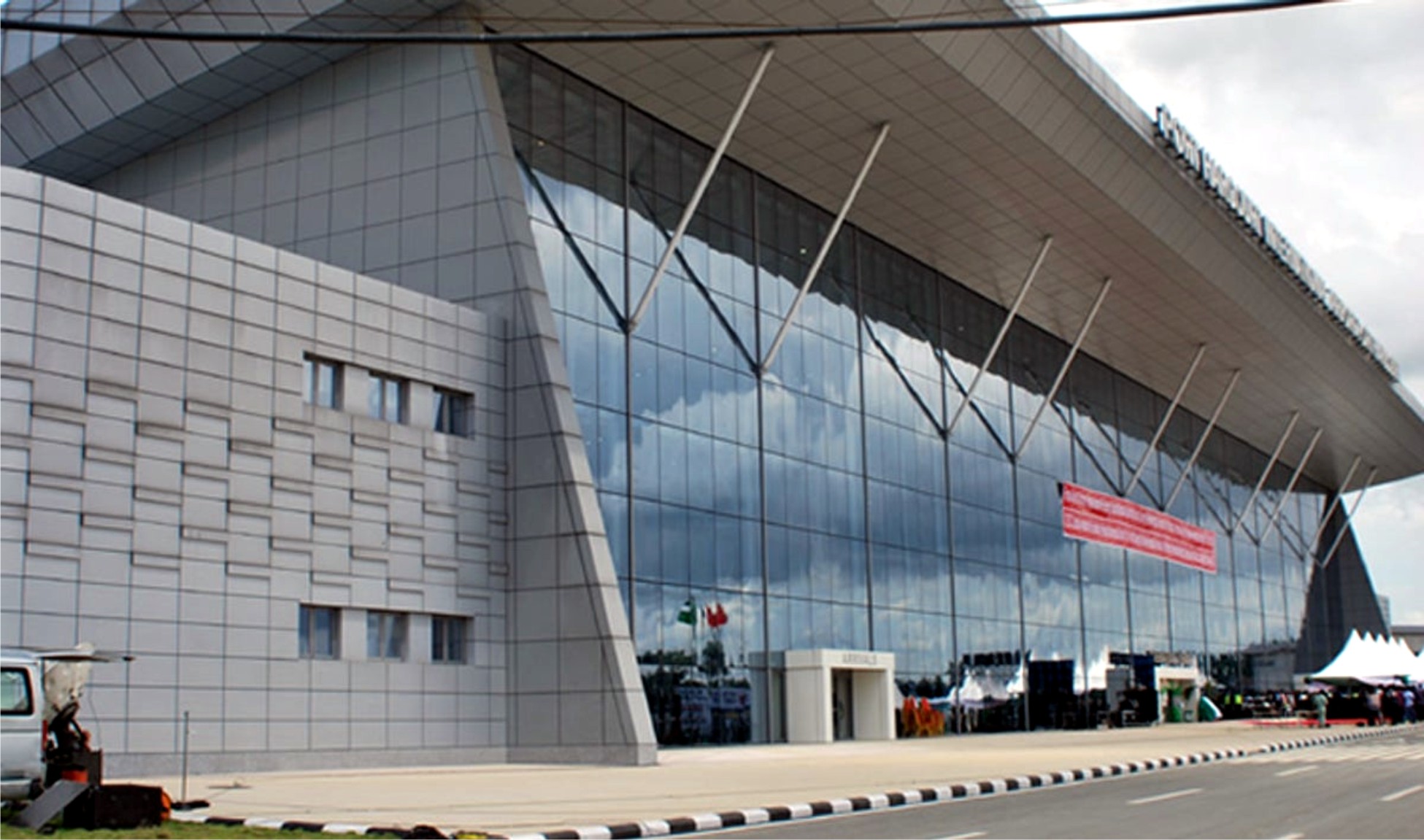
The price of flight ticket has gone up again at the Port Harcourt International Airport, Omagwa.
The Tide’s findings show that the air operators have again increased the flight ticket by another 100 per cent.
The Tide reported three weeks ago that the flight ticket was increased by 100 per cent by airline operators.
With the latest development, the cost of flight tickets for both classes (business and economy) has now gone up by 300 percent.
Findings on Monday showed that the flight ticket for economy class for all airlines that was increased from between N30,000 and N35,000 to N60,000 and N65,000 in November, now goes for between N80,000 and N90,000, for both Port Harcourt-Lagos and Port Harcourt-Abuja routes.
Also, ticket for business class for Port Harcourt-Lagos and Port Harcourt-Abuja routes which was increased from between N60,000 and N70,000 to N100,000 in November, now goes for between N130, 000 and N140,000.
One of the travel agents at the Port Harcourt Airport, Kingsley Ogbonna, told The Tide that the new increase was as a result of inadequate number of airlines for operations, coupled with more passengers that made demand for air tickets.
According to him, there is already scarcity of flight tickets because of pressure from travellers, with few aircrafts that are available for operations.
Meanwhile, a staff of one of the airlines operating at the airport, Mr Chinedu Okonkwo, told The Tide that airlines were currently having the challenge of maintaining their aircrafts which, according to him, was one of the fallouts of COVID-19.
Okonkwo said that airlines were hoping to receive a bail-out fund from the Federal Government.
According to him, the only option for airlines to survive during the Yuletide was to increase price of flight ticket to enable them maintain their aircrafts.
Meanwhile, the United Bank for Africa (UBA) that was sealed by the Airport Authority has been reopened for operations.
One of the senior managers of the bank who craved anonymity told The Tide that the bank paid N24 million to the airport as annual rent of the space before they were allowed to reopen for business.
By: Corlins Walter



Business
Jonathan, Diri, Others Laud Firm’s Milestone in Bayelsa …Says Project Will Drive Industrialisation, Create Jobs



-

 News3 days ago
RSG Targets Nine Million Residents in Mosquito Net Distribution Campaign
-

 Oil & Energy3 days ago
Aiyedatiwa Signs New Electricity Bill
-

 Maritime3 days ago
Marine Minister Commends President Tinubu On NPERA Bill Assent
-

 Oil & Energy3 days ago
NLNG Commissions Research And Innovation Centre In RSU
-

 News3 days ago
KenPoly Holds Eight Convocations, August 29
-

 News3 days ago
RSG Begins Another Phase of Projects Commissioning Today
-

 News3 days ago
RMAFC Completes Revenue Sharing Review, Proposes New Pay
-

 Maritime3 days ago
NAGAFF Petitions IGP Over Alleged Maritime Police Harassment